
Neither bamboo nor metal wind chimes are universally better the right choice depends on your priorities. Metal wind chimes, particularly those crafted from aluminum, offer precise musical tuning, consistent pitch, and greater durability for year-round outdoor use. Bamboo wind chimes produce softer, organic hollow tones that evoke natural forest soundscapes. For melodic clarity and hand-tuned scales, metal delivers measurable advantages. For gentle, nature-inspired ambiance, bamboo provides a distinct aesthetic and auditory character.
Quick Answer: Metal Wins for Tuning, Bamboo for Natural Ambiance
If you prioritize clear, musical notes and long-term durability, metal wind chimes are the superior choice. Aluminum tubes allow for precise hand-tuning to specific musical scales, creating a consistent sound profile that remains stable across seasons. Bamboo offers a different experience entirely.
Bamboo produces a lower, hollow knock that blends seamlessly with garden surroundings. It ages gracefully, developing a silver-gray patina over time, sacrificing some longevity for organic character. The decision ultimately hinges on whether you seek a musical instrument for your patio or a natural soundscape for your garden path. When choosing the right wind chime material, consider how much you value tonal precision versus rustic aesthetic.
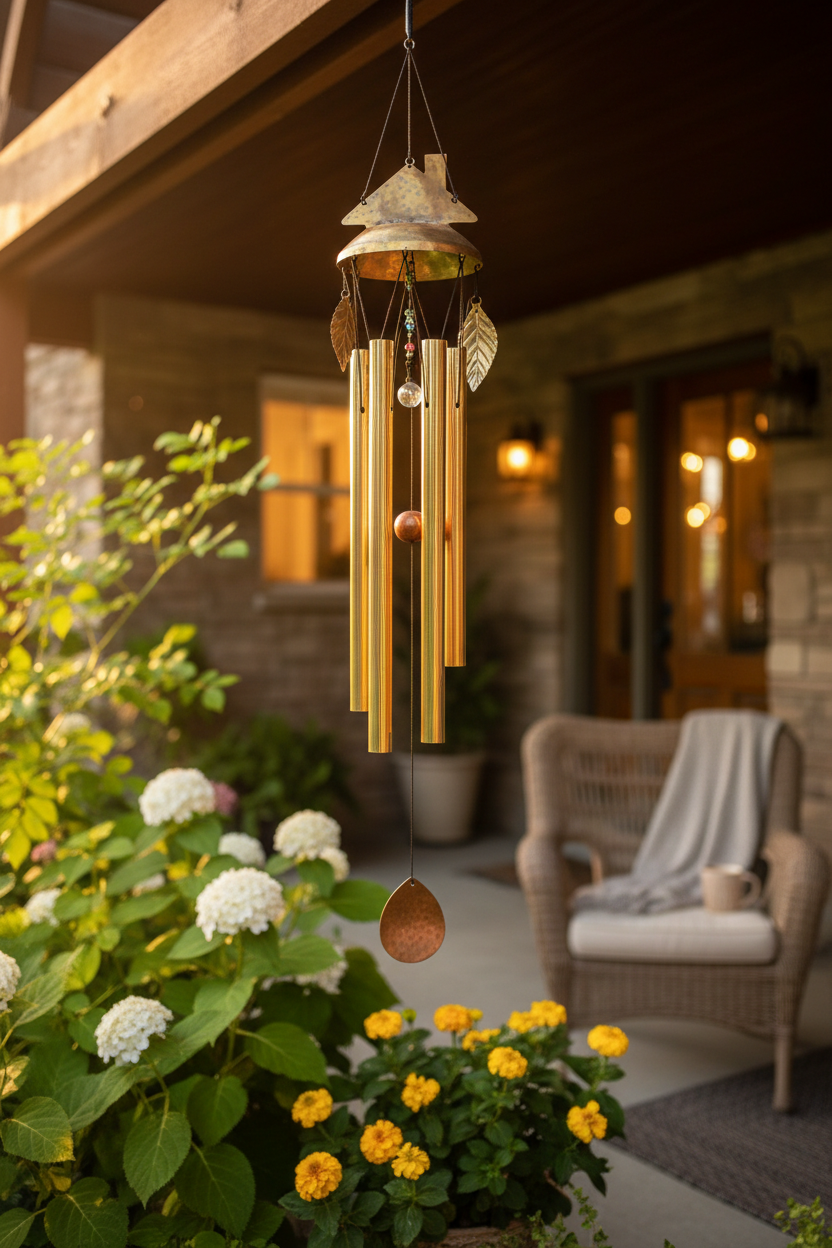
Sound Quality Analysis: Tuning Precision vs Organic Resonance [2026 Data]
The most significant difference between bamboo and metal wind chimes lies in sound quality. Metal chimes, especially those made from aluminum, can be precision-tuned to specific musical scales and notes. This means a quality metal chime functions as a real musical instrument, producing harmonious sounds that are pleasing to the ear.
| Characteristic | Metal (Aluminum) | Bamboo |
|---|---|---|
| Tuning Precision | Hand-tuned to specific scales (G Major, E Major) | Non-tunable; natural pitch varies |
| Tonal Quality | Clear, resonant, bell-like tones | Hollow, woody, percussive sounds |
| Sound Decay | Long sustain (5-15 seconds) | Short sustain (< 1 second) |
| Frequency Range | Broader range; alto to soprano | Lower frequency; bass-heavy |
| Wind Response | Responsive to light breezes | Requires stronger wind |
When exploring what makes wind chime sounds soothing, the science points to predictable, consonant frequencies. Aluminum wind chimes excel here, offering notes that resolve musically rather than clashing. Bamboo chimes create a rhythmic "clack" sound, perfect for those who prefer the ambient noise of a forest over a melody.
Durability and Outdoor Performance: Aluminum vs Natural Bamboo
Outdoor conditions demand materials that can withstand sun, rain, and fluctuating temperatures. Aluminum wind chimes, particularly those using 6063 aluminum alloy, offer excellent resilience, maintaining their finish and tonal integrity for years in covered or partially sheltered outdoor spaces like patios and porches.
Bamboo responds to the elements differently. Over time, bamboo naturally weathers, often developing a beautiful silvery patina that many owners find attractive. However, bamboo is an organic material; in very damp or humid climates without proper airflow, it may eventually show signs of wear or develop mold if not occasionally cleaned and maintained.
- Weather Resistance: Aluminum withstands rain and sun well; bamboo prefers drier, protected spots.
- UV Exposure: Metal finishes may fade slightly over years; bamboo will naturally gray and weather.
- Moisture Response: Aluminum tubes shed water; bamboo can absorb moisture in damp conditions.
- Temperature Fluctuations: Metal expands and contracts minimally; bamboo remains relatively stable.
- Lifespan: Quality metal chimes often last 5-10+ years; bamboo typically offers 2-5 years of prime sound quality.
Proper placement helps both materials last longer. For more information, see our guide on optimal wind chime placement outdoors.

How Metal Wind Chimes Are Hand-Tuned to Musical Scales
Creating a melodious metal wind chime is an art form rooted in precise acoustic engineering. Each aluminum tube is carefully cut and tuned to a specific note, allowing makers to craft chimes that play in specific musical keys. This process ensures that every note, regardless of the order it is played, sounds harmonious.
UpBlend Outdoors, founded by a music teacher, builds this philosophy into every product. For instance, the Wailua 29-inch Copper-Red Wind Chime features six hand-tuned aluminum tubes calibrated to a G Major pentatonic scale. The Havasu 28-inch and 38-inch Wind Chimes are both tuned to an E Major pentatonic scale, offering a bright, welcoming tone that sounds good no matter which tubes are struck. To explore our collections, visit UpBlend Outdoors hand-tuned wind chimes.
Why Bamboo Creates Softer, Forest-Like Wind Chime Tones
Bamboo chimes operate on a different acoustic principle. Because bamboo is a naturally hollow grass, it doesn't ring like metal. Instead, it creates a muted, percussive "thud" or "clack." The lower density and porous structure of bamboo absorb energy quickly, preventing sustained resonance.
This creates a calming, rhythmic effect that mimics the sound of walking through a bamboo forest or hearing dried branches knock together in the wind. The sound is organic and earthy, blending into the background rather than demanding attention. The the cultural history of wind chime materials shows that bamboo has been used for centuries in Asian traditions specifically for this meditative quality.
Aesthetic Considerations: Visual Design and Material Character
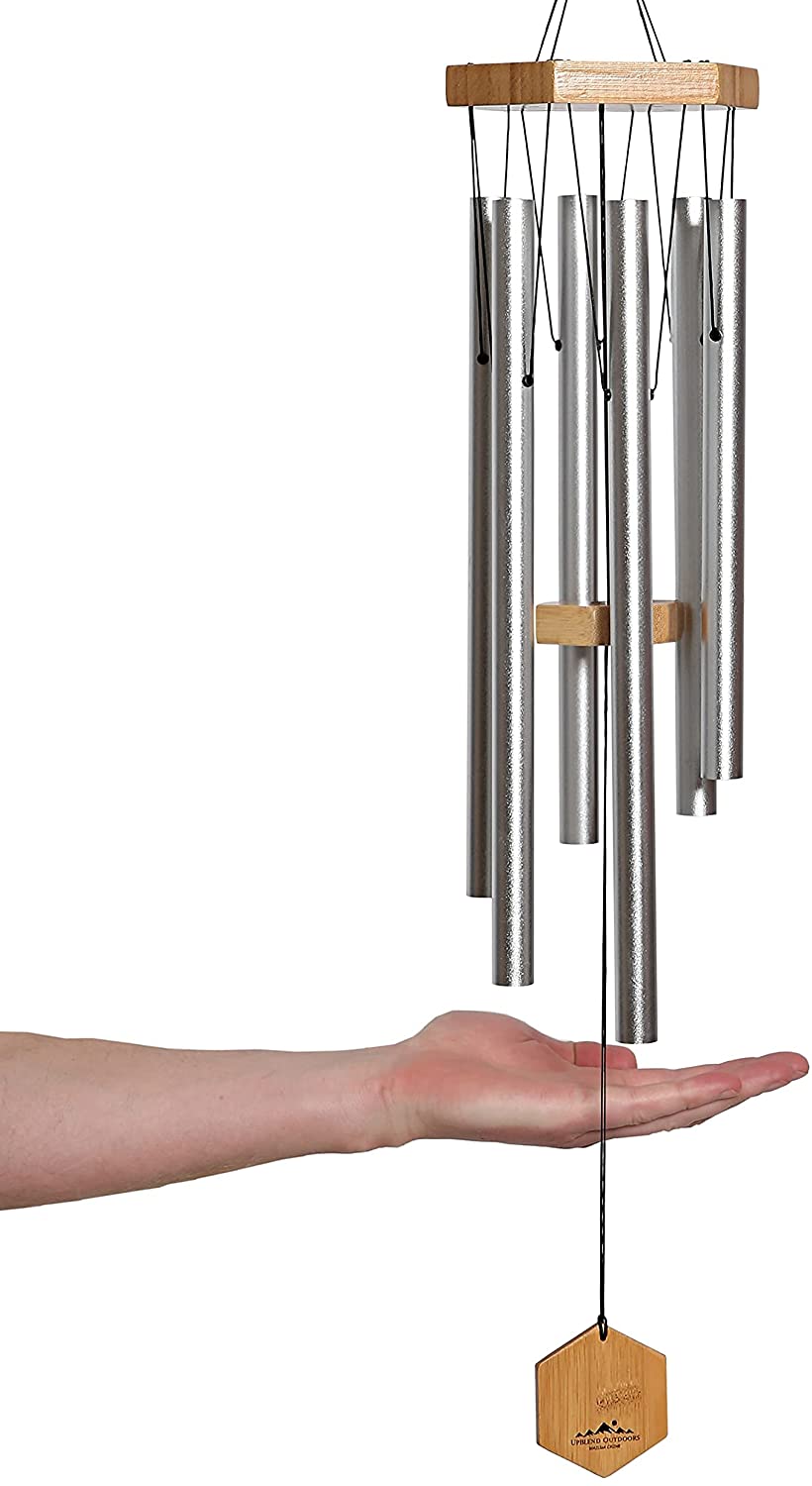
Beyond sound, visual design plays a large role in selecting a wind chime. Metal chimes often feature sleek lines and refined finishes. Look for accents like ash wood components and black cords. For example, the Havasu 38-inch model pairs a durable ash wood suspension platform with an adjustable clapper, blending musical function with visual warmth.
Bamboo offers a rustic, organic look. The natural variations in bamboo nodes and color give each chime a one-of-a-kind appearance. This makes bamboo ideal for eco-friendly garden themes, zen gardens, or spaces that prioritize a natural over a polished aesthetic. Consider how the color of your chime copper-red, silver, or natural wood interacts with your home's exterior and landscape.

When thinking about where to hang wind chimes for beauty and sound, consider that metal chimes often serve as focal points near seating areas, while bamboo chimes often look best tucked into lush greenery.
Space-Specific Recommendations: Balconies, Gardens, and Porches
Your outdoor space often dictates the best wind chime material. A large bamboo chime might overwhelm a small balcony and require more wind than a sheltered space receives. Conversely, a tiny metal chime might get lost in a sprawling garden.
- Small Balconies: A metal chime like the Havasu 28-inch fits compact spaces while delivering clear notes without needing strong wind flow.
- Covered Porches: Larger metal chimes like the Havasu 38-inch or Kindness 41-inch create a focal point with deep, rich tones.
- Open Gardens: Bamboo chimes thrive in open-air gardens where airflow is consistent and a natural look is desired.
- Framing Entrances: Use a tuned metal chime for a welcoming, musical greeting near front doors or walkways.
- Memorial Spaces: Metal chimes are often preferred for sympathy gifts due to their endurance and the lasting resonance of the notes.
Secure mounting is essential for safety and sound quality. For advice on installation, check our tips on wind chime accessories and mounting hardware.
Key Takeaways: Choosing Between Bamboo and Metal Wind Chimes
Deciding between bamboo and metal wind chimes involves balancing sound preference, durability needs, and aesthetic goals. Whether you are shopping for your own home or choosing a meaningful gift, focusing on these core factors helps ensure you select a chime that brings lasting joy.
- Sound Priority: Choose metal for musical, tuned melodies; bamboo for natural, percussive tones.
- Durability Needs: Aluminum offers greater longevity; bamboo weathers beautifully but has a shorter lifespan.
- Space Selection: Match chime size to your space compact Havasu 28-inch models for balconies, larger designs for gardens.
- Aesthetic Style: Metal offers a refined look with ash wood accents; bamboo provides rustic, organic charm.
- Gift Context: Hand-tuned metal chimes are popular for housewarmings and memorials; bamboo suits nature lovers.
- Tuning Equipment: Seek hand-tuned aluminum for specific scales like G Major or E Major.
For proper installation that protects your investment, browse our recommended hooks and mounts for outdoor wind chimes.
Frequently Asked Questions
Do bamboo wind chimes last as long as metal wind chimes?
No. Bamboo is an organic material that naturally weathers over time, typically lasting 2-5 years with consistent tonal quality. Aluminum wind chimes, built for outdoor use, often maintain their sound integrity for over a decade. Bamboo develops a attractive patina but will eventually succumb to the elements, while metal offers far greater longevity.
Which wind chime material sounds louder?
Metal. Aluminum tubes create resonant, bell-like tones with long sustain that carry across a yard. Bamboo produces a softer, hollow knock that stays localized to the immediate area. If you want a chime you can hear from inside your home, metal is the better choice; for a subtle garden ambiance, bamboo is ideal.
Are metal wind chimes better for gifting than bamboo?
Generally, yes. Metal wind chimes are frequently chosen for occasions like housewarmings, birthdays, and memorial gifts because they offer personalization through musical tuning and last for years. Bamboo makes a thoughtful gift for gardening enthusiasts or those who prefer natural materials, but metal's versatility and longevity make it the more common gift choice.
Can bamboo wind chimes be tuned like metal chimes?
No. Bamboo cannot be precision-tuned to specific musical notes or scales because its density and internal structure vary naturally. Metal tubes, however, are routinely hand-tuned to exact frequencies, such as the E Major pentatonic scale found in the Havasu collection, ensuring harmonious musical interaction between notes.
Which material requires less maintenance?
Metal. Quality aluminum wind chimes need occasional cleaning and little else. Bamboo may require periodic oiling or sealing to prevent cracking in dry climates and proper airflow to discourage mold in damp ones. If you prefer a setup that requires minimal care, metal is the more convenient option.


