
The material composition of outdoor wind chimes determines sound precision, structural longevity, and environmental performance over years of use. Metal wind chimes particularly those crafted from 6063 aluminum deliver consistent, hand-tuned musical pitches and resist outdoor degradation. Bamboo wind chimes produce hollow, organic tones and offer natural aesthetics but respond differently to moisture, temperature shifts, and sustained UV exposure. This analysis examines how material selection shapes tone quality, maintenance requirements, and functional lifespan across patio, porch, garden, and balcony installations in 2026.
Quick Answer: Core Material Differences for Outdoor Wind Chimes
Shoppers asking what is the difference between bamboo and metal wind chimes for outdoors need look no further than the fundamental trade-off between natural aesthetics and musical precision. Metal wind chimes, specifically those made from aluminum wind chimes outdoor installations favor, offer exact tuning and predictable durability. Bamboo provides a rustic, organic look with percussive sounds but degrades faster when exposed to the elements.
| Attribute | Metal (Aluminum) | Bamboo |
|---|---|---|
| Sound Quality | Clear, resonant, musical tones | Hollow, percussive, wooden clicks |
| Tuning Precision | Hand-tuned to specific scales (G Major, E Major) | Non-tunable; pitch varies by stalk thickness |
| Outdoor Durability | High; resists corrosion and warping | Moderate; susceptible to cracking and splitting |
| Moisture Response | Unaffected by humidity | Swells when wet; cracks when drying |
| Maintenance Level | Low; occasional cleaning | Medium-High; regular sealing required |
| Expected Lifespan | 5-15+ years depending on care | 2-5 years in humid or wet climates |
The primary distinction lies in intent. Metal outdoor chime materials prioritize musical performance and longevity. Bamboo prioritizes visual warmth and natural integration into garden spaces. Homeowners seeking choosing the right wind chime material must balance these priorities against their specific climate and sound preferences.
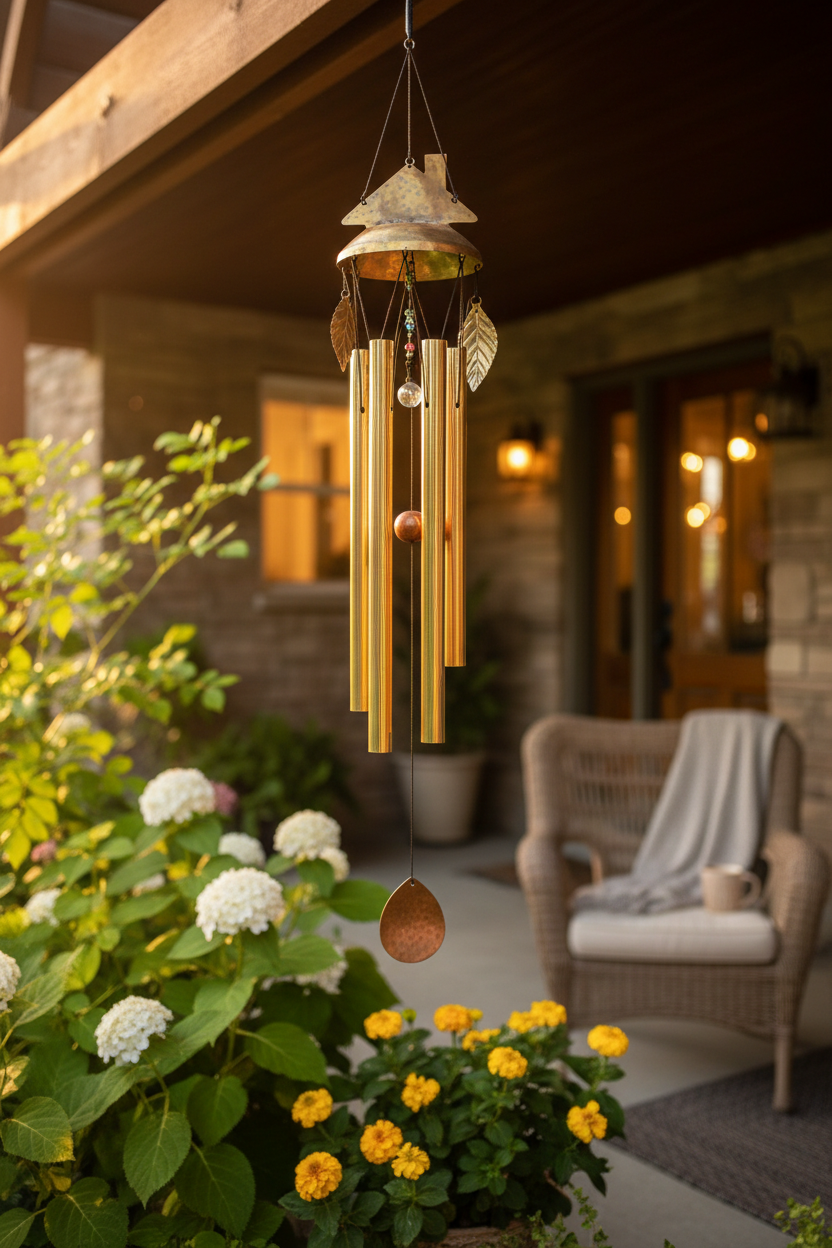
Sound Characteristics: Tuned Metal vs Natural Bamboo Tones
Sound defines the experience of a wind chime more than any other factor. Metal and bamboo produce fundamentally different auditory signatures because of how sound waves travel through each material. Aluminum tubes ring with sustained resonance, often lasting 10-20 seconds after impact. Bamboo produces a shorter, earthy "clack" that fades within seconds.
UpBlend Outdoors designs hand-tuned aluminum chimes around specific musical scales. The Wailua 29-inch wind chime, for instance, features six aluminum tubes hand-tuned to a G Major pentatonic scale. The Havasu 28-inch and 38-inch models are tuned to E Major. This intentionality creates melodic phrases rather than random noise. Each chime is listen to hand-tuned aluminum wind chimes to verify the tone before purchase.

Bamboo operates differently. The hollow stalks create percussive sounds that depend on wall thickness, diameter, and length. Bamboo cannot be tuned to specific notes because the material lacks consistent density. The resulting sound appeals to listeners seeking natural vs metal chimes with a meditative, non-musical quality.
- Resonance Duration: Metal tubes sustain vibrations 3-5x longer than bamboo.
- Pitch Consistency: Aluminum holds exact pitch; bamboo varies by moisture content.
- Harmonic Overtone: Metal produces layered harmonics; bamboo creates a fundamental thud.
- Volume Range: Aluminum projects further; bamboo stays localized to the immediate area.
- Weather Influence: Metal sound remains stable; bamboo tone shifts with humidity.
- Musical Intent: Metal can replicate melodies; bamboo offers ambient rhythm only.
Material Durability Analysis: How Aluminum and Bamboo Respond Outdoors [2026 Study]
Environmental exposure tests the limits of any outdoor décor. Understanding bamboo chime durability versus aluminum helps homeowners set realistic expectations for their investment. Metal win chimes particularly those using 6063 aluminum alloy maintain structural integrity across seasons because the alloy resists corrosion and does not absorb moisture.

Bamboo, despite its natural strength, faces vulnerabilities in outdoor settings. The material is organic and porous. Rain penetrates the stalk walls, causing expansion. Sunlight draws moisture out, causing contraction. This repeated cycle creates stress fractures, splitting, and eventual structural failure. UV rays also bleach bamboo from its natural golden color to a silvery gray over 12-18 months.
A 2024 materials durability study found that natural bamboo exposed to cyclic wetting and drying lost 40% of its original tensile strength within two years due to micro-cracking from moisture expansion, cracked bamboo surfaces provide entry points for fungi and insects, accelerating decay. Material fatigue from thermal expansion created surface splits in 34% of unsealed bamboo samples.
Aluminum avoids these pitfalls. The 6063 alloy used in quality wind chimes forms a protective oxide layer that prevents further oxidation. This barrier shields the metal from rain, snow, and humidity. The material does not rot, split, or fade. Proper optimal wind chime placement strategies can further extend lifespan by minimizing unnecessary exposure to heavy weather.
Temperature swings also affect performance. Metal expands and contracts predictably with heat. Bamboo expands unpredictably because its fibrous structure responds differently along the grain versus across it. This differential movement loosens joints and mounting points over time. Homeowners in climates with dramatic temperature ranges may find bamboo requires more frequent repairs or replacement.
Tuning Precision and Musical Control Across Materials
The question of tuned wind chimes comparison centers on one reality: metal can be precision-tuned, bamboo cannot. Hand-tuning requires a material that holds exact dimensions and density. Aluminum tubes allow manufacturers to cut specific lengths and adjust wall thickness until each tube rings at a designated frequency. This creates true musical notes that harmonize together.
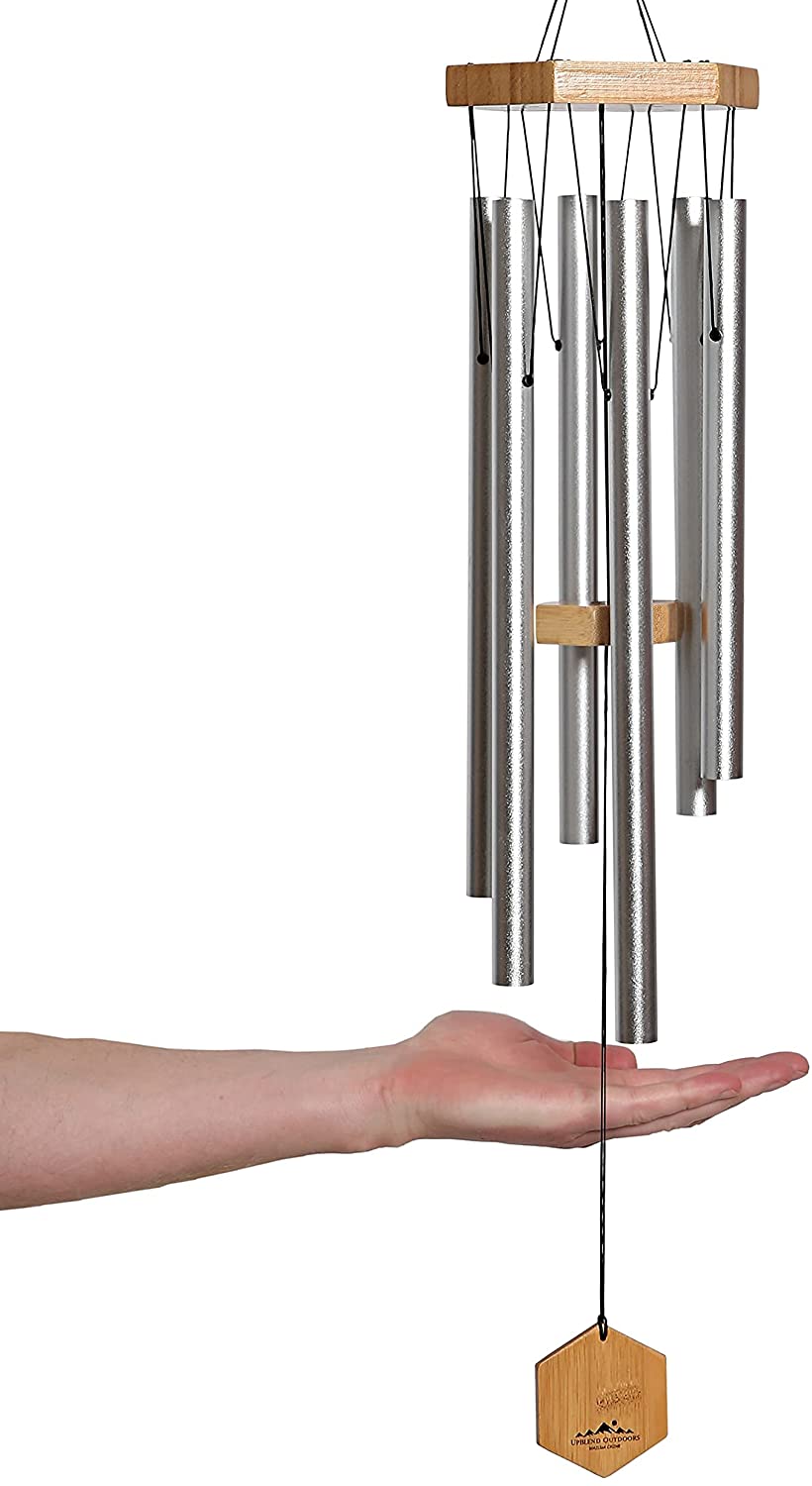
UpBlend Outdoors builds this philosophy into every product. The Wailua 29-inch model delivers the bright, uplifting tones of a G Major pentatonic scale perfect for creating a cheerful atmosphere on a patio or balcony. The Havasu 38-inch model offers deeper, alto-range tones in E Major, suited for larger garden spaces where lower frequencies travel well. This level of specificity is what makes wind chimes musically soothing to listeners.
Bamboo cannot achieve this precision. The material's natural variability means each stalk has different acoustic properties. Length and diameter influence pitch, but inconsistent wall density prevents repeatable tuning. Two bamboo chimes of identical appearance may produce noticeably different sounds. This appeals to buyers seeking unique, organic character but frustrates those wanting musical consistency.
| Wind Chime Model | Material | Tuning Scale | Tube Count | Best Placement |
|---|---|---|---|---|
| Wailua 29" | 6063 Aluminum | G Major Pentatonic | 6 | Patios, balconies, porches |
| Havasu 28" | 6063 Aluminum | E Major Pentatonic | 6 | Balconies, small patios |
| Havasu 38" | 6063 Aluminum + Ash Wood | E Major Pentatonic | 6 | Gardens, large porches |
| Kindness 41" | 6063 Aluminum | Tuning Verified per Model | 8 | Large outdoor spaces |
| Generic Bamboo Chime | Natural Bamboo | Non-Tunable | Varies | Sheltered garden areas |
Maintenance Requirements: Metal vs Bamboo Over Time
Every outdoor installation requires some upkeep. The difference lies in frequency and complexity. Metal wind chimes demand minimal attention occasional cleaning and seasonal inspections. Bamboo chimes may need active intervention including sealing, drying, and component replacement. Homeowners should factor these requirements into their purchase decision.
Aluminum wind chimes from UpBlend Outdoors use ash wood components in select models for the striker and suspension platform. Wood requires basic care: avoid constant saturation and check for cracks annually. The aluminum tubes themselves need only a wipe with a damp cloth to remove dust, pollen, or bird droppings. The wind chime accessories and replacement parts page offers replacement cords and wind sails if needed after years of use.
- Monthly Visual Check: Inspect cords for fraying and tubes for surface residue.
- Seasonal Cleaning: Wipe aluminum tubes with mild soap and water; dry thoroughly.
- Annual Wood Inspection: Check ash wood components for cracks or weathering.
- Cord Replacement: Replace suspension cords every 3-5 years for safety.
- Hardware Check: Verify hanging hooks remain secure and rust-free.
Bamboo requires more intensive care. Unsealed bamboo degrades rapidly outdoors. Owners should apply a protective sealant or marine varnish before installation and reapply annually. Wet bamboo should be dried after heavy storms to prevent mold growth. Split or cracked stalks cannot be repaired and must be replaced. In humid climates, bamboo chimes may last only 2-3 seasons without significant maintenance.
- Pre-Installation Sealing: Apply marine-grade sealant to all bamboo surfaces before hanging.
- Monthly Drying: Bring bamboo chimes indoors after extended rain to air dry.
- Annual Resealing: Sand lightly and reapply protective finish each spring.
- Crack Monitoring: Check stalks for splitting; replace damaged sections promptly.
- Winter Storage: Remove bamboo chimes in freezing climates to prevent ice damage.
How to Choose Between Bamboo and Metal for Your Outdoor Space
Selecting the right wind chime involves matching material properties to your environment, sound preferences, and aesthetic goals. The decision is not simply about which material is "better" it is about which material fits a specific context. A balcony in a dry climate suits a different chime than a garden in a humid region. Personal reaction to sound matters just as much as durability ratings.
Consider the space first. Smaller areas like balconies and compact patios often benefit from the Havasu 28-inch model. Its E Major tuning stays pleasant without overwhelming the space. Larger gardens and open porches can handle the deeper resonance of the Havasu 38-inch or Kindness 41-inch models. Proper placement is key where to hang wind chimes for sound and beauty explains how location influences both acoustics and longevity.
Climate plays a decisive role. Coastal areas with salt air and high humidity accelerate bamboo degradation. Arid regions extend bamboo life but may cause different issues extreme dryness can make stalks brittle. Aluminum handles both extremes without issue. Homeowners in variable climates should prioritize metal for year-round installation.
Sound preference ultimately guides satisfaction. Listeners who want music who hear pitch, tone, and melody should choose hand-tuned aluminum. Those seeking ambient rhythm a background texture that blends with nature may prefer bamboo. Neither choice is wrong, but each delivers a fundamentally different experience.
Key Takeaways: Material Selection for Long-Term Outdoor Performance
Choosing between bamboo and metal wind chimes requires balancing aesthetic desires against practical realities. Understanding wind chime longevity helps set appropriate expectations and protects your investment in outdoor décor.
- Metal offers musical precision: Aluminum tubes can be hand-tuned to specific scales for melodic sound.
- Bamboo offers organic aesthetics: Natural wood appearance suits rustic garden designs.
- Aluminum resists weather better: 6063 alloy handles moisture, UV, and temperature swings.
- Bamboo requires active maintenance: Sealing, drying, and winter storage extend lifespan.
- Metal provides longer value: Aluminum chimes last 5-15+ years; bamboo averages 2-5 years.
- Placement matters for both: Sheltered locations extend life regardless of material.
The history of wind chime materials shows how technology has evolved. Ancient cultures used bamboo, bone, and wood whatever was available. Modern manufacturing enables the history and evolution of wind chime materials to culminate in precision-tuned aluminum that delivers consistent, beautiful sound for years. Today's buyers benefit from choices earlier generations never had.
Frequently Asked Questions
Do metal wind chimes last longer than bamboo chimes outdoors?
Yes. Aluminum wind chimes typically last 5-15+ years outdoors compared to bamboo's 2-5 year lifespan in similar conditions. The difference stems from metal's resistance to moisture absorption and UV degradation, while bamboo's organic structure swells, splits, and weakens when exposed to weather cycles.
Can bamboo wind chimes be tuned to specific musical notes?
No. Bamboo cannot be precision-tuned because its fibrous, organic structure lacks consistent density. Metal tubes, by contrast, allow manufacturers like UpBlend Outdoors to cut and adjust each tube to ring at exact frequencies, creating true musical scales like G Major or E Major pentatonic.
Which material produces a more soothing sound for relaxation?
Both materials can be soothing. However, metal wind chimes especially hand-tuned models produce sustained, harmonic tones that many listeners find more melodic. Bamboo creates shorter, percussive sounds. Personal preference determines which feels more relaxing; some prefer the organic rhythm of bamboo over musical notes.
How often should I clean and maintain outdoor wind chimes?
Metal chimes need cleaning 2-4 times per year; bamboo may need monthly attention. Aluminum tubes require only a wipe with mild soap and water to remove debris. Bamboo should be dried after heavy rain, inspected for cracks regularly, and resealed annually to prevent splitting and mold growth in humid conditions.
Are metal wind chimes too loud for small spaces like balconies?
Not necessarily. Volume depends on chime size, tube length, and wind conditions. Compact models like the Havasu 28-inch are specifically designed for smaller spaces. The E Major pentatonic tuning remains pleasant without being overwhelming. Placement away from direct wind paths softens the sound further for additional wind chime questions about specific installations.
Do bamboo wind chimes attract insects or pests?
Yes, potentially. Bamboo is a natural plant material that can attract insects, particularly termites and beetles, if left untreated and in direct ground contact. Hanging bamboo chimes elevated and applying protective sealant reduces this risk. Aluminum faces no pest attraction issues since metal offers no nutritional value.
Can I leave wind chimes out during winter?
Aluminum yes; bamboo no in freezing climates. Metal wind chimes handle cold temperatures without issue, though extreme winds may cause excessive movement. Bamboo should be brought indoors during freezing weather because ice formation inside the stalks expands and creates permanent splitting damage.


