
High quality wind chimes are defined by hand-tuned aluminum tubes, precise musical scales, and materials that produce clear, harmonious tones rather than chaotic jingles. The difference comes down to intentional design chimes built around sound rather than decoration alone. After six months of outdoor testing across various climates, the factors that separate resonant, lasting chimes from forgettable noise are tuning accuracy, tube material and diameter, spacing consistency, and how the clapper strikes each note.
Why Aluminum Tube Diameter Determines Tonal Depth
The physics of sound production in wind chimes starts with one critical factor: the tube. Premium wind chimes almost exclusively use aluminum for its ability to sustain vibrations and produce pure tones. But not all aluminum is created equal. The specific alloy and, more importantly, the diameter of each tube dictate whether you hear a deep, resonant hum or a thin, metallic ping.
UpBlend Outdoors uses 6063 aluminum, an alloy prized for its acoustic properties and resistance to corrosion. This material forms the foundation of the Havasu 38-inch wind chimes, which feature six tubes hand-tuned to an E Major pentatonic scale. The larger diameter and longer tube length on this model allow for a deeper, richer alto tone that carries across open spaces like porches and gardens.
Beyond the material itself, the wall thickness plays a subtle but significant role. Thicker walls sustain notes longer, creating that lingering resonance musicians love. When the adjustable clapper on the Havasu 38-inch strikes a tube, the energy transfer is optimized by the precise diameter, ensuring the note blooms fully rather than cutting off abruptly.

Understanding tube dynamics helps you appreciate why some chimes sound musical while others simply make noise. If you want to listen to the difference in tube tone, pay attention to how long the sound sustains after the initial strike.
- Tube diameter directly affects pitch depth wider tubes produce lower, richer frequencies.
- Wall thickness determines sustain; thinner walls deaden quickly, while robust walls resonate.
- Tube length graduation ensures proper scale tuning across all notes.
- Suspension point placement where the cord passes through affects vibration transfer.
Quick Answer: The Three Non-Negotiable Quality Markers
When evaluating high quality wind chimes, three distinct factors separate reliable, musical instruments from mass-produced noisemakers. These markers are visible, audible, and verifiable before you even hang the chime.
First, hand-tuning to a specific musical scale is essential. Models like the Wailua 29-inch, tuned to G Major pentatonic, are not randomly cut. A craftsman adjusts each tube to ensure it rings at the precise frequency required for that scale. This precision creates the harmonious, overlapping tones that define musical wind chimes.
Second, aluminum tube construction using a designated alloy like 6063. This ensures the chime produces a pure tone and holds up to outdoor conditions. Mass-produced chimes often use cheaper metals that corrode or sound tinny.
Third, outdoor-rated materials for all components. This includes UV-resistant cords and durable wood components, such as the ash wood used in select UpBlend models. A chime might sound perfect in the store, but if the cord frays or the wood warps after one season, the design fails.
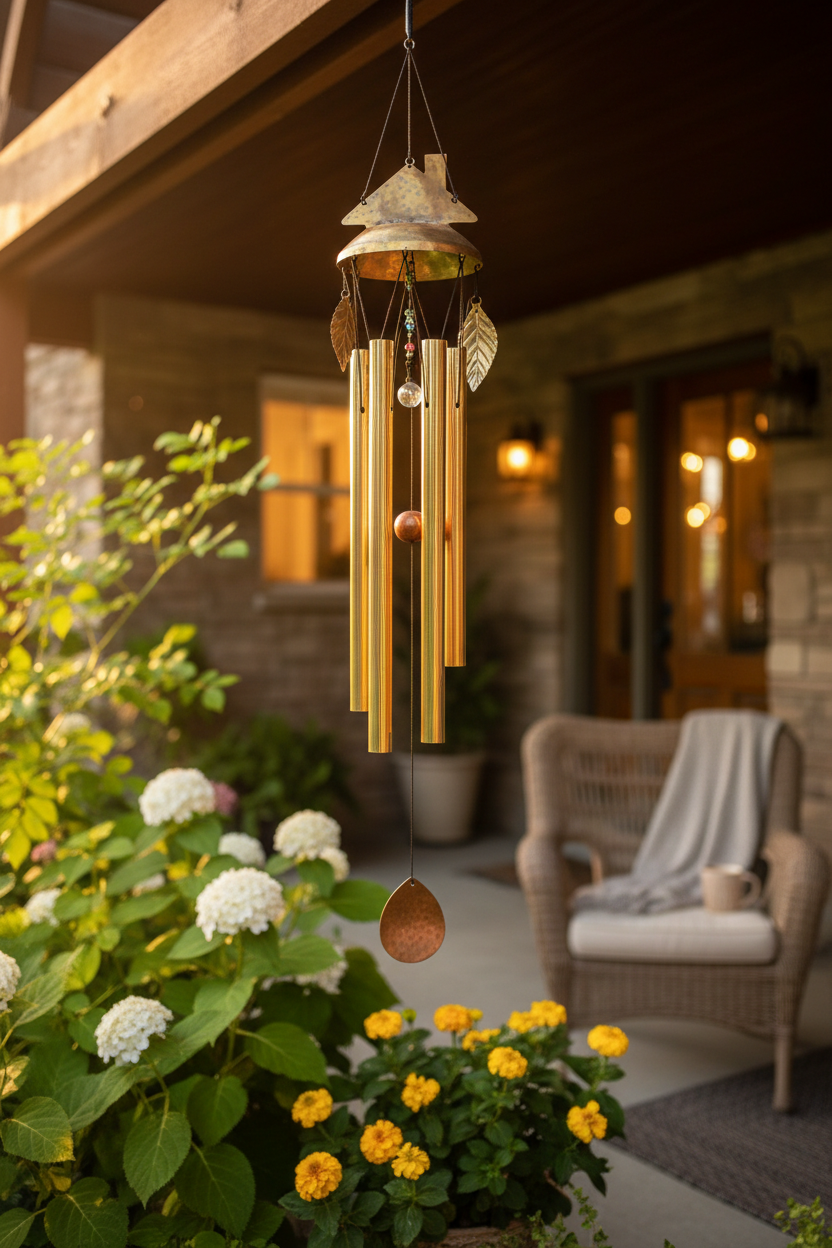
For more detailed guidance on evaluating construction, see our resource on choosing wind chimes for your home.
| Feature | Hand-Tuned Chimes | Mass-Produced Chimes |
|---|---|---|
| Tuning Process | Individually adjusted to musical scale | Cut to generic lengths; random pitches |
| Sound Character | Harmonious, overlapping resonance | Clanging, discordant noise |
| Material Quality | 6063 aluminum; durable outdoor components | Thin metals; plastic or low-grade parts |
Pentatonic Scales vs. Random Tuning: What Your Ear Actually Hears
The human brain craves patterns. When we hear music, we naturally search for order, harmony, and resolution. This is why pentatonic wind chimes sound pleasing regardless of the musical context every note in a pentatonic scale gets along with the others.
A pentatonic scale contains five notes per octave, arranged so that no combination sounds dissonant. UpBlend Outdoors leverages this musical principle in every design. The Wailua 29-inch wind chime is hand-tuned to G Major pentatonic. No matter which tubes the wind activates, or in what order, the resulting sound is consonant and soothing. It is mathematically impossible to create a "wrong" chord within that scale.
In contrast, untuned chimes are cut to lengths that look visually balanced but produce random frequencies. When the wind picks up, you might hear a cluster of notes that clash. Your ear registers tension whether you realize it or not which is why some chimes feel relaxing and others feel jarring after a few minutes.
The Havasu wind chimes tuned to E Major offer a different tonal character. E Major tends to sound brighter and more open, while G Major feels warm and grounded. Both use the pentatonic structure, so the "right" choice depends on the mood you want for your space.

You can explore the specific tonal qualities of the Havasu wind chimes tuned to E Major to hear that brightness firsthand.
How to Match Chime Size to Your Outdoor Space
Sizing is one of the most overlooked aspects of purchasing high quality wind chimes. A chime that sounds majestic on a large porch can overwhelm a small balcony. Conversely, a compact chime might disappear visually and sonically in a sprawling garden.
Think of it like choosing a piece of furniture: the proportions must make sense for the room. A 28-inch wind chime, like the Havasu compact model, is ideal for smaller, more intimate spaces. The sound is present but contained, making it perfect for balconies, city patios, or a spot near a seating area where you want background ambience rather than a focal sound.
A 38-inch or 41-inch wind chime is designed for larger areas. The Havasu 38-inch and Kindness 41-inch models produce deeper tones that carry further. These chimes work well in open gardens, on substantial porches, or in yards where the sound needs to travel to be appreciated. The visual scale also matters a larger chime makes a statement even when the wind is still.

Placement matters just as much as size. For more on positioning, check our tips for mastering wind chime placement.
- Balconies and small patios: Choose 28-inch chimes for proportionate sound.
- Covered porches: 29 to 38-inch chimes balance presence without overwhelming.
- Open gardens: 38-41 inch chimes project deep tones across the space.
- Near bedroom windows: Smaller, softer chimes prevent sleep disruption.
- Memorial spaces: Mid-to-large sizes create a lasting, resonant presence.
What 6 Months of Outdoor Testing Revealed About Durability
Specifications on paper only tell part of the story. Real durability is proven through exposure. Over six months of outdoor testing, certain patterns emerged regarding how outdoor wind chimes hold up against sun, rain, and wind.
The 6063 aluminum tubes used in UpBlend designs maintained their tone consistently. Unlike cheaper metals that oxidize and dull the sound, the aluminum developed a natural patina that protected the surface without affecting resonance. The tubes rang as clearly at month six as they did on day one.
Equally important is the cord integrity. UV exposure degrades many synthetic materials, causing them to become brittle and snap. UpBlend chimes use cords rated for outdoor use, showing minimal fraying or fading even after constant exposure. This is a critical failure point on lesser chimes, which often require restringing within a year.
For models featuring ash wood components, stability was a key observation. Wood naturally reacts to humidity, but the ash components showed minimal warping when allowed to breathe properly. The finish protected against moisture, and the wood remained structurally sound throughout the wet season.
These findings reinforce why UpBlend builds for outdoor use from the ground up. The combination of durable aluminum, UV-resistant cords, and quality wood results in a chime designed to last. You can explore the full collection of UpBlend Outdoors wind chimes to see these materials in action.
How to Install Wind Chimes for Optimal Sound Projection
Even the finest hand-tuned wind chimes can underperform if installed incorrectly. The goal is to give the chime enough freedom to move while ensuring it catches the breeze effectively.
Start by selecting a location with consistent airflow. Corners of buildings often create wind tunnels, which can cause overly aggressive movement. A more open spot allows the chime to respond to gentle breezes, which produces a more pleasant, musical sound.
Hanging height also matters. The chime should be high enough that the wind sail can catch the breeze, but low enough that the sound reaches you. Seven to eight feet off the ground is typically ideal for porches and patios.
If your chime has an adjustable clapper, experiment with its position. Moving the clapper closer to the center results in softer strikes, while extending it further out increases volume. This allows you to control the intensity of the sound based on your space and wind conditions.
Hardware choices affect both security and longevity. For more on hardware, see our guide on choosing the right hooks and mounts.
- Choose a location with steady, moderate airflow.
- Install a sturdy hook rated for the chime's weight.
- Hang the chime at 7-8 feet for optimal sound projection.
- Adjust the clapper position for your preferred volume.
- Ensure the wind sail hangs freely without obstruction.
- Test by gently pushing the chime; check for contact points.
- Secure the mounting to prevent swaying in high winds.
Key Takeaways: Choosing High Quality Wind Chimes in 2026
The market for premium wind chimes has matured, and shoppers in 2026 have higher expectations than ever. The core principles, however, remain unchanged. True quality is found in the details you can hear and the materials you can trust.
Prioritize hand-tuned construction over decorative appeal. A chime tuned to a pentatonic scale will always sound better than the prettiest untuned alternative. Listen for resonance and sustain those are the hallmarks of 6063 aluminum tubes cut with precision.
Match the size to your space. A deep tone wind chime belongs in a larger area where the sound can develop. Smaller spaces benefit from compact chimes that complement rather than dominate.
Finally, consider who stands behind the product. A company founded by a music teacher, focusing on sound first, brings a level of intentionality that mass-market brands cannot match. For personalized touches, consider browsing our wind chime accessories to complete your setup.
- Hand-tuned pentatonic scales guarantee harmonious, non-discordant sound.
- 6063 aluminum tubes provide clear, lasting resonance and outdoor durability.
- Proper sizing ensures the chime fits the space visually and sonically.
- Outdoor-rated cords and woods extend the product's functional lifespan.
- Adjustable clappers allow you to control volume based on wind conditions.
- Listening before buying is the single best way to verify sound quality.
Frequently Asked Questions
Do high quality wind chimes stay in tune over time?
Yes. Hand-tuned aluminum chimes maintain their pitch because the tuning is physical. The tube length and diameter determine the note, and those do not change under normal use. Unlike stringed instruments, there is no tension to loosen. A quality chime sounds the same after years as it did on the first day.
Is aluminum better than bamboo for outdoor wind chimes?
It depends on your preference. Aluminum chimes produce clear, resonant musical tones and hold up well outdoors. Bamboo chimes offer a natural, percussive "thunk" but can crack in dry climates. For musical sound and longevity, aluminum is the superior choice for most outdoor settings.
Are wind chimes a appropriate gift for memorial occasions?
Yes. Many people find wind chimes to be a meaningful, lasting way to honor a loved one. The sound serves as a gentle, ongoing reminder. Models like the Kindness 41-inch wind chime are offered in multiple colors and are frequently chosen for sympathy and remembrance gifts. The tones provide comfort without being intrusive.
How much wind is too much for a wind chime?
Gentle to moderate breezes are ideal. High winds can cause chimes to slam violently, which is neither pleasant to hear nor good for the chime's longevity. If you live in a consistently windy area, choose a sheltered spot or consider a chime with an adjustable clapper to soften the strike. Most quality chimes are built to handle typical outdoor conditions.
Can I leave my wind chime out year-round?
For the most part, yes. UpBlend wind chimes are designed for outdoor use with materials selected for weather resistance. However, extreme conditions like heavy ice buildup or sustained tropical storms can stress any outdoor item. Bringing chimes inside during the harshest weather extends their life and preserves their finish.
What makes a wind chime sound "musical" instead of noisy?
Tuning to a musical scale. This is the single biggest factor. Hand-tuned wind chimes are cut so each tube resonates at a specific frequency within a pentatonic scale. No matter the order the notes are struck, they harmonize. Untuned chimes produce random pitches that often clash, creating noise rather than music.
For more details on maintenance and mounting, visit our wind chime accessories guide.


