
Proper care transforms wind chimes from seasonal decorations into decade-long companions. Natural bamboo and wood chimes require gentle dust removal with soft cloths and mild soap, while metal tubes need occasional wipe-downs to preserve tonal clarity. Seasonal shelter during storms and winter months prevents structural damage, ensuring your peaceful melodies continue greeting every breeze. The right maintenance routine protects both the craftsmanship and the memories your chimes hold.
Quick Answer: Essential Cleaning Steps for Wind Chimes
Keeping your wind chimes in top condition doesn't require fancy equipment or hours of labor. A consistent, gentle approach works best for preserving both appearance and sound quality. Whether you own natural bamboo designs or classic metal tubes, the core process remains straightforward.
For homeowners wondering how do you clean and maintain outdoor wind chimes efficiently, the answer lies in regular attention rather than intensive scrubbing. UpBlend Outdoors designs their chimes with durability in mind, but even premium materials benefit from proper care routines.
- Dust all surfaces weekly with a soft, dry microfiber cloth.
- Wipe bamboo and wood components with a damp cloth and mild soap.
- Dry all parts thoroughly after cleaning to prevent moisture damage.
- Check suspension strings and connections for wear or fraying.
- Apply protective treatments to natural wood only if desired.
- Store chimes indoors during harsh winter months or severe storms.

These fundamental steps apply across most chime varieties. For those looking to expand their collection with easy-care options, explore wind chime accessories that complement your existing pieces while simplifying maintenance routines.
Material-Specific Cleaning Protocols [2026 Study]
Different materials demand different care strategies. What works beautifully for aluminum tubes could damage natural bamboo beyond repair. Understanding these distinctions protects both the visual appeal and the harmonic integrity of your investment.
Natural material wind chimes have grown significantly in popularity throughout 2026, with homeowners drawn to their earthy aesthetics and organic sound profiles. Bamboo and wood constructions require special consideration because they respond to humidity, temperature shifts, and UV exposure differently than their metal counterparts.
The cleaning approach must respect these differences. Harsh chemicals that leave metal sparkling might strip protective oils from bamboo, leaving it vulnerable to cracking. Similarly, water that rinses cleanly from aluminum can seep into wood grain and promote rot if not dried properly.
| Material | Cleaning Method | Frequency | Special Considerations |
|---|---|---|---|
| Bamboo | Soft cloth, mild soap, air dry | Monthly or as needed | Avoid soaking; never use harsh chemicals |
| Wood | Damp cloth, wood-friendly cleaner | Monthly inspection | Re-oil annually if desired; check for cracks |
| Aluminum | Soft cloth, gentle soap solution | Every 2-3 months | Check for oxidation; maintain tube alignment |
| Steel | Dry cloth, occasional wax | Bi-monthly | Prevent rust; inspect weld points |
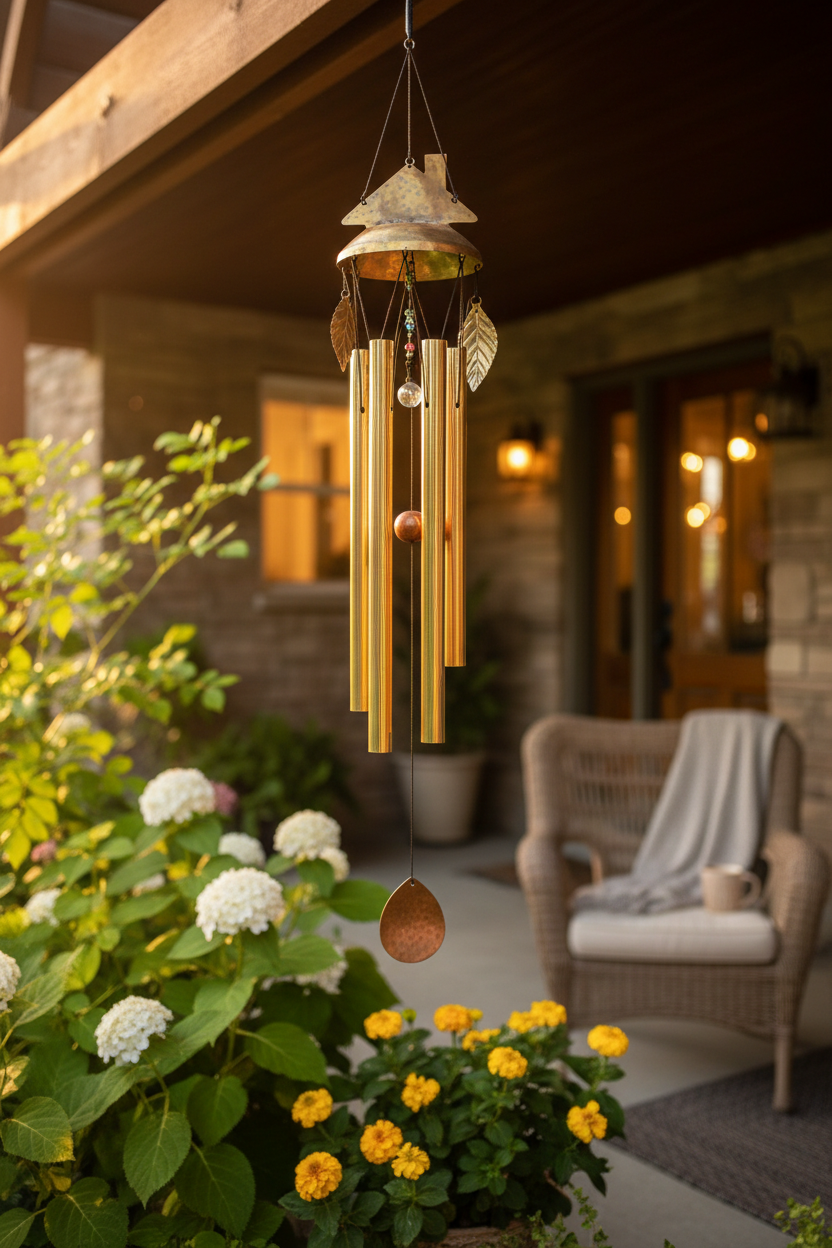
UpBlend Outdoors prioritizes natural materials in many designs, recognizing that bamboo and wood develop character over time when treated properly. This philosophy means their chimes age gracefully rather than degrading rapidly. For guidance on selecting pieces that match your maintenance preferences, choosing wind chimes for your home offers comprehensive comparisons.
How to Deep Clean Natural Bamboo Wind Chimes Without Damage
Bamboo chimes require a delicate touch. The material's natural beauty comes from its fibrous structure, which can be compromised by aggressive cleaning methods. Deep cleaning should happen once or twice annually, with lighter maintenance in between.
The goal is removing accumulated dust, pollen, and environmental residue without stripping the bamboo's protective outer layer. UpBlend's commitment to natural materials means their bamboo chimes arrive ready to weather beautifully your job is simply not interfering with that process through harsh interventions.
- Remove the chime from its hanging location and place it on a soft, clean surface.
- Use a dry soft-bristle brush to loosen dust from crevices and joints.
- Dampen a microfiber cloth with water and a single drop of mild dish soap.
- Gently wipe each bamboo segment, following the grain direction.
- Rinse the cloth thoroughly and go over surfaces again to remove soap residue.
- Pat dry immediately with a clean towel never let bamboo air-dry soaking wet.
- Allow the chime to finish drying in a shaded, well-ventilated area for 24 hours.
- Inspect strings and connections before rehanging in its permanent location.

This method preserves the bamboo's integrity while removing buildup that can dull its appearance. For ongoing questions about specific care scenarios, care tips in our FAQ addresses common concerns from chime owners nationwide.
Seasonal Maintenance Calendar: When to Clean vs. Shelter
Wind chime maintenance isn't uniform throughout the year. Different seasons bring different challenges from spring pollen to summer UV intensity to fall storms and winter freezes. A proactive calendar approach prevents damage before it occurs.
Seasonal chime storage decisions matter most in extreme climates. Regions with harsh winters benefit from bringing chimes indoors entirely, while moderate climates might only require repositioning away from prevailing storm directions.
| Season | Primary Tasks | Weather Considerations |
|---|---|---|
| Spring | Pollen removal, string inspection | Check for winter damage; clean thoroughly |
| Summer | Monthly dusting, UV exposure monitoring | Provide afternoon shade if possible |
| Fall | Pre-winter deep clean, storage prep | Remove before first frost in cold regions |
| Winter | Indoor storage, spring preparation | Keep dry and away from heat sources |
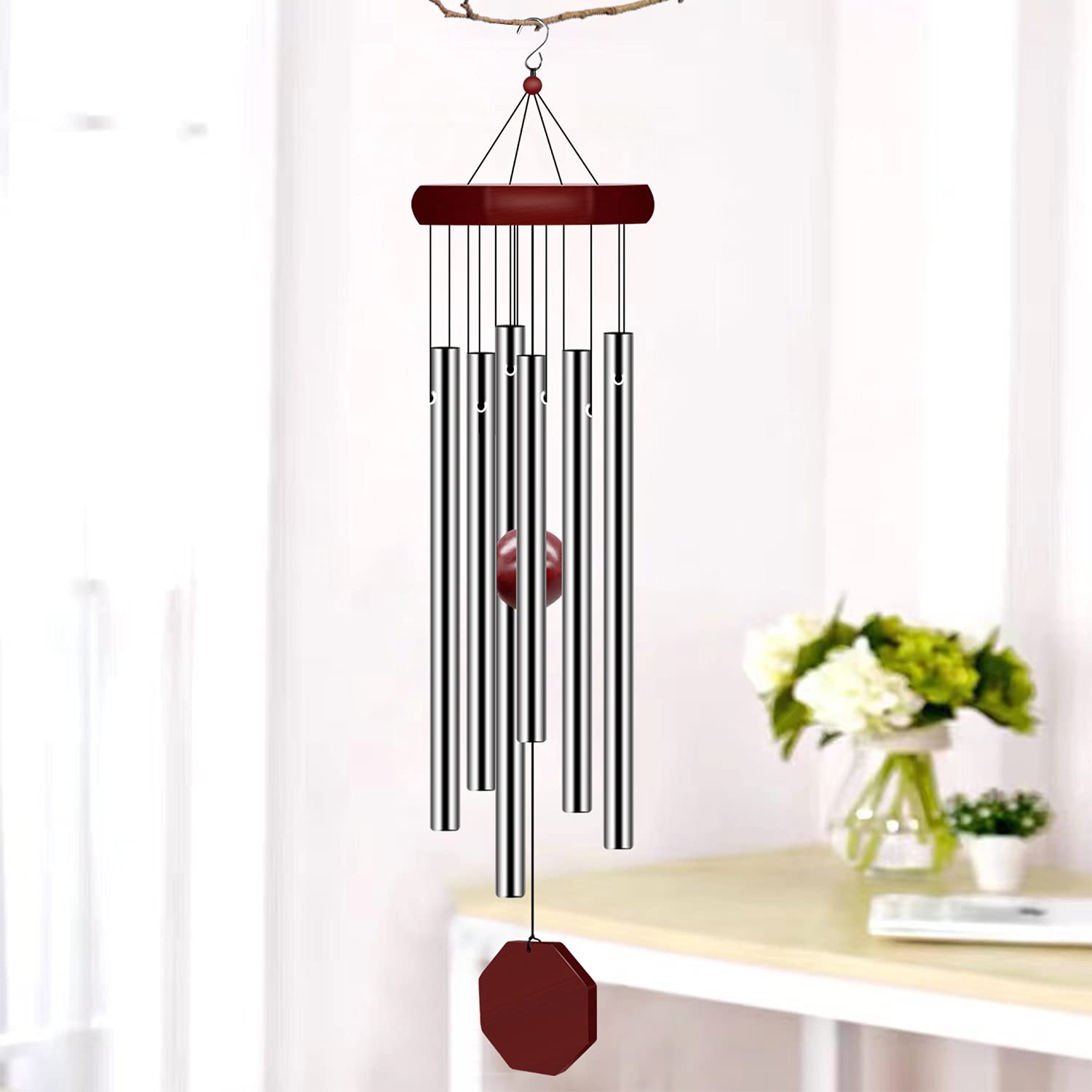
This rhythm becomes second nature after a year or two. Many chime owners find that certain pieces their favorites accompanying morning coffee or evening relaxation warrant extra attention. Memorial pieces, in particular, often hold tremendous sentimental value. For guidance on preserving meaningful gifts, memorial wind chimes offers specialized care insights.
Preserving Tone Quality Through String and Tube Care
Sound defines the wind chime experience. A well-maintained chime produces clear, resonant tones that complement outdoor spaces; neglected instruments might rattle, thud, or fall silent. String and tube care directly impacts tonal quality.
Nylon strings used in quality constructions like UpBlend Outdoors designs resist UV degradation and moisture absorption better than cheaper alternatives. However, even premium strings eventually show wear. Regular inspection catches problems before they become failures.
- Check string tension monthly loose strings alter sound pitch and clarity.
- Inspect connection points where strings pass through tubes or attach to suspension platforms.
- Wipe metal tubes with a dry cloth to remove dust that might dampen resonance.
- Verify tube alignment ensuring they hang freely without touching adjacent tubes.
- Replace compromised strings promptly rather than waiting for complete failure.
Tube spacing matters enormously for sound. When tubes shift or twist, they can strike each other incorrectly, producing jarring dissonance instead of melonic harmony. Gentle adjustments during regular cleaning keep everything aligned properly.
The investment in quality construction pays dividends here. Premium chimes maintain their tonal characteristics for years with minimal intervention. To experience the difference quality makes, listen to the chimes available through UpBlend's collection.
Common Maintenance Mistakes That Shorten Wind Chime Lifespan
Good intentions don't always translate to good outcomes. Many chime owners inadvertently damage their pieces through well-meaning but improper care techniques. Understanding what not to do often matters as much as knowing proper procedures.
The most frequent mistake involves bamboo and wood chimes: over-polishing. There's an instinct to make natural materials shine, but bamboo develops its own patina that actually protects the underlying structure. Aggressive polishing strips this layer, leaving the material vulnerable.
- Using abrasive scrubbers or steel wool on any chime material.
- Applying furniture polish, oils, or waxes not specifically designed for outdoor wood.
- Hosing down bamboo or wood chimes with high water pressure.
- Leaving chimes exposed to freezing temperatures when they're not rated for it.
- Hanging chimes where they constantly strike walls, trees, or other objects.
- Ignoring frayed strings until they fail and drop components.
Chemical cleaners present particular risks. Many household cleaning products contain ingredients that react unpredictably with chime materials. What cleans a kitchen counter beautifully might leave residues that affect how a chime sounds or worse, slowly degrade the finish.
Understanding proper care helps avoid these pitfalls. The soothing qualities that make chimes special deserve protection. Learn more about what makes wind chimes so soothing and why preserving their integrity matters.
How Professional-Grade Wind Chimes Simplify Maintenance [Analysis]
Quality construction reduces upkeep demands. This principle holds across virtually every product category, and wind chimes prove no exception. Professional-grade designs incorporate features that minimize required maintenance while maximizing longevity.
UpBlend Outdoors exemplifies this approach through their material selection and assembly techniques. Premium bamboo undergoes careful curing that stabilizes the material against humidity changes. UV-resistant strings maintain their integrity far longer than standard options. Corrosion-resistant hardware prevents the rust staining that plagues cheaper constructions.
The real-world benefits show up in owner experiences. Quality chimes often require only the basics regular dusting, occasional inspection, and seasonal awareness. They don't demand constant attention or frequent repairs. This reliability allows owners to focus on enjoying their sound rather than maintaining their condition.
Durability also impacts the economics of chime ownership. A well-constructed piece that lasts a decade costs far less per year of use than a bargain version requiring replacement every season. customer experiences highlight how initial quality investments translate into years of trouble-free enjoyment.
Key Takeaways: Wind Chime Care Essentials
Maintaining wind chimes becomes straightforward once core principles are understood. The practices that preserve bamboo differ from those suited to metal, but neither approach requires specialized knowledge or expensive products. Consistency matters more than intensity.
Proper care extends beyond preserving appearance it protects the memories and meanings attached to meaningful pieces. Whether a chime marks a special occasion, honors a loved one, or simply embellishes a garden corner, maintaining it well honors that significance.
- Match cleaning methods to material type bamboo and metal require different approaches.
- Regular gentle cleaning prevents buildup better than occasional deep scrubbing.
- Seasonal awareness protects chimes from weather damage during extreme conditions.
- String inspection catches problems before they cause component loss or sound degradation.
- Quality construction reduces maintenance demands while extending functional lifespan.
- Natural materials develop character over time embrace the patina rather than fighting it.
- Harsh chemicals and abrasive tools cause more harm than good across all materials.
These principles guide every UpBlend Outdoors design decision. The company builds chimes meant to last, and proper owner care ensures they do. explore UpBlend Outdoors to discover pieces designed for longevity and ease of maintenance.
FAQ: Wind Chime Cleaning and Maintenance
Can I use wood polish on my bamboo wind chime?
No, wood polish is not recommended for outdoor bamboo chimes. Bamboo has a natural protective layer that polish can strip away, potentially leading to faster degradation. Most manufacturers, including UpBlend Outdoors, recommend only mild soap and water for cleaning. Embracing the natural aging process preserves both the material and its characteristic sound far better than chemical treatments.
How often should I clean my outdoor wind chimes?
Monthly dusting with deeper cleaning every 3-4 months works for most climates. Areas with heavy pollen, dust, or pollution may require more frequent attention. Natural material wind chimes benefit from consistency rather than intensity gentle regular care outperforms aggressive occasional cleaning. Seasonal deep cleaning, especially before winter storage, prevents buildup and allows for thorough inspection.
Should I bring my wind chimes inside during winter?
Yes, in climates where temperatures drop below freezing regularly. Bamboo and wood can develop cracks when moisture freezes and expands within the material. Even metal chimes may suffer string degradation during harsh winters. Indoor storage in a dry location extends chime life significantly. In mild climates, simply repositioning chimes away from prevailing storm directions provides adequate protection.
Can bamboo wind chimes stay out in the rain?
Yes, quality bamboo chimes can handle normal rainfall when properly maintained. The key is allowing thorough drying between wet periods and ensuring good air circulation. UpBlend's bamboo constructions are designed for outdoor use with proper care. Extended saturation without drying, however, promotes premature aging. In regions with prolonged wet seasons, providing some shelter extends functional life considerably.
What's the best way to clean metal wind chime tubes?
Soft microfiber cloths with mild soap and water work best for aluminum and steel tubes. Avoid abrasive pads that could scratch the finish, which impacts both appearance and sound resonance. Dry thoroughly after cleaning to prevent water spots. Some owners apply a thin coat of automotive wax to aluminum tubes annually for added protection, though this isn't strictly necessary for quality constructions.
Why do my wind chime strings keep breaking?
String failure typically results from UV degradation, friction wear, or tension issues. Direct sunlight slowly breaks down even UV-resistant materials over years of exposure. Friction points where strings pass through tubes or connect to suspension platforms create weak spots. Quality chimes use durable nylon designed for outdoor longevity, but eventual replacement becomes necessary. Inspecting strings every few months catches wear before failure.


