
Musical tone determines how a wind chime shapes the atmosphere of your outdoor space. The scale, tube length, and material create distinct sonic signatures from bright soprano melodies to deep alto resonance. Understanding pentatonic tuning, frequency relationships, and tonal character helps you select a wind chime that matches your space and emotional intent. This guide breaks down the acoustic principles that matter most when choosing by sound.
Quick Answer: Matching Tone to Space and Preference
When asking how do I choose a wind chime based on its musical tone, focus on three core decision factors: the scale type, the tube length, and your space size. Major pentatonic scales, like G Major, produce bright and uplifting sounds, while deeper tunings create contemplative atmospheres. Tube length directly controls pitch shorter tubes sing higher soprano notes, while longer ones deliver rich alto tones.
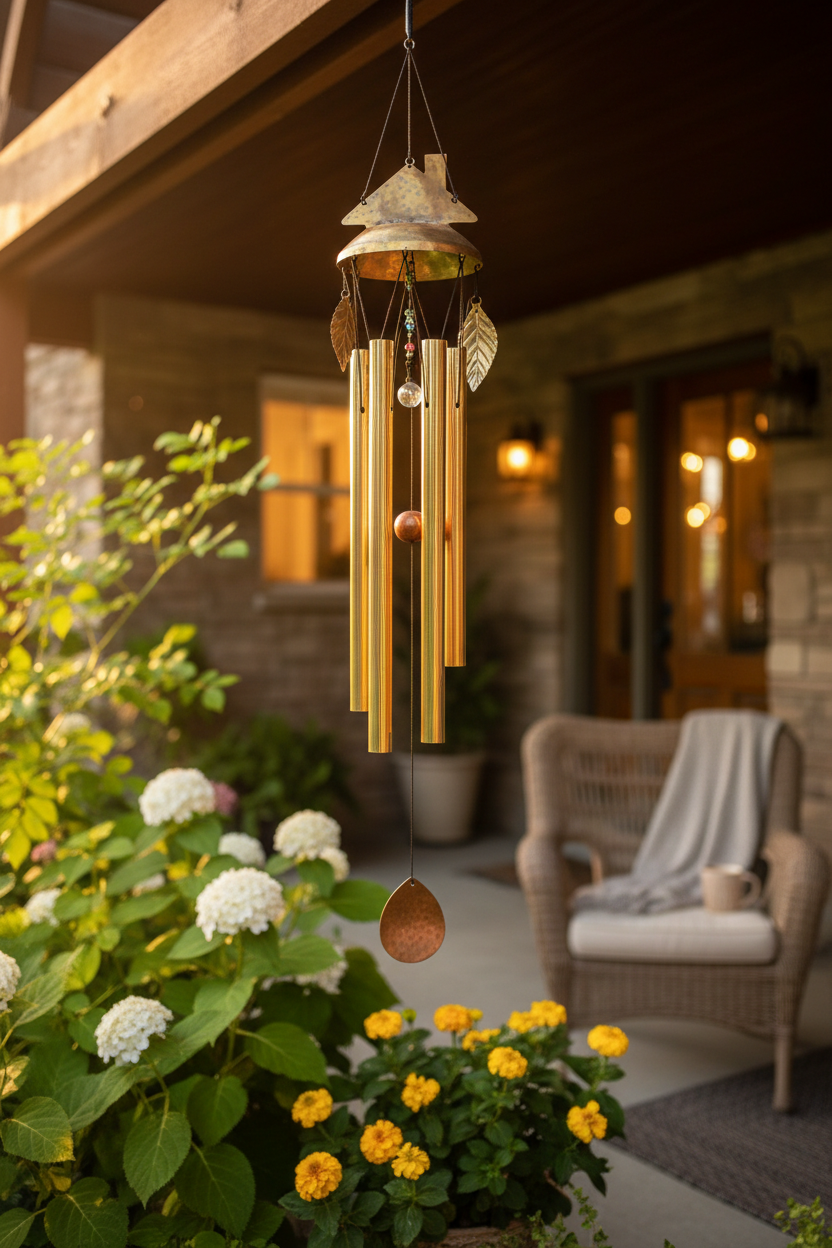
Choosing the right wind chime requires matching its sonic character to where you plan to hang it. A compact balcony pairs well with a higher-pitched chime, while a sprawling garden benefits from deeper resonance. The fastest way to confirm a chime's voice is to listen to recorded chime samples before buying.
- Scale Choice: G Major sounds bright and cheerful; E Major offers warmth and depth.
- Tone Depth: Shorter tubes (28-inch) give soprano brightness; longer tubes (38-inch+) produce alto resonance.
- Space Match: Small spaces need lighter tones; large outdoor areas support deeper, resonant sounds.
Understanding Pentatonic Scales in Wind Chime Design [Music Theory]
The pentatonic scale wind chimes use a five-note structure that prevents dissonance. Wind is unpredictable, and traditional seven-note scales can create clashing notes when gusts strike randomly. The pentatonic scale removes semitones that cause tension, ensuring every random combination of tubes sounds harmonious.
This design choice matters because a wind chime cannot control when its tubes are struck. Whether one tube rings or all six sing together, the five-note sequence maintains a pleasant, consonant sound. Quality hand-tuned chimes rely on this musical principle to guarantee a pleasing experience regardless of the breeze.
Major pentatonic scales generally evoke specific emotional responses. A G Major tuning, like the one found in the Wailua 29-inch model, carries a bright, welcoming energy. E Major pentatonic tunings, common in the Havasu line, lean toward a warmer, slightly more settled character. These subtle differences help you select a chime that matches the mood you want to create.
| Characteristic | G Major Pentatonic (Wailua) | E Major Pentatonic (Havasu) |
|---|---|---|
| Mood | Bright, uplifting, cheerful | Warm, settled, inviting |
| Tonal Center | G pitch center | E pitch center |
| Typical Use | Active patio areas, welcoming entryways | Porch relaxation, garden meditation spaces |
| Tube Count | Six tubes | Six tubes |
| Frequency Range | Higher-midrange frequencies | Lower-midrange frequencies |

Learning choosing wind chimes for your home starts with understanding these scale differences. The emotional character of a scale shapes how you feel when you hear it.
How Tube Length Controls Pitch and Tonal Depth [Acoustic Analysis]
The tube length and pitch relationship follows a clear acoustic principle: longer tubes vibrate at lower frequencies, producing deeper tones. Shorter tubes vibrate faster, generating higher pitches. This physical reality allows wind chime designers to place specific notes within a scale by cutting tubes to precise lengths.
Comparing alto vs soprano wind chime tones reveals how length shapes sound. The Havasu 28-inch wind chime features shorter tubes tuned to an E Major pentatonic scale, delivering a soprano-to-midrange clarity. The Havasu 38-inch model uses the same E Major tuning but its longer tubes produce a deeper alto voice with more resonance. Both share the same musical scale, but the pitch center drops as tube length increases.
- Under 28 inches: High soprano tones bright, light, and airy. Best for balconies and compact patios.
- 28 to 34 inches: Midrange tones balanced and versatile. Suits most outdoor spaces.
- 35 to 40 inches: Alto tones deeper resonance with longer sustain. Ideal for larger porches.
- Over 40 inches: Deep baritone/tenor rich, grounding tones. Fits gardens and open yards.

The depth of tone affects how far the sound carries and how it interacts with your environment. Higher tones cut through ambient noise but dissipate faster. Deeper tones travel further and linger, creating a sustained presence. For insight into why these sounds affect us, explore what makes wind chimes so soothing.
Aluminum Tube Material and Resonance Quality [2026 Material Study]

The 6063 aluminum used in quality wind chimes offers specific acoustic advantages. This alloy contains silicon and magnesium, creating a material that balances durability with excellent sound transmission. Aluminum tubes produce clear overtones and a sustain that lasts several seconds after the initial strike.
Hand-tuned chime sound quality comes from precision cutting and careful suspension point placement. Each tube is cut to a specific length that corresponds to a musical note. A small hole is drilled at an acoustic node a point where the tube naturally experiences less vibration to attach the suspension cord without dampening resonance.
Mass-produced chimes often skip this precise tuning process, resulting in generic sounds that lack musical definition. Hand-tuned chimes undergo a testing process where a craftsperson verifies pitch accuracy against a reference standard. This human oversight catches variations in wall thickness or material density that machines might miss.
When considering UpBlend Outdoors wind chimes, the hand-tuning process ensures each tube rings true to its intended note. The result is a cohesive musical experience rather than a random collection of tones.
How to Evaluate Tone Before Purchase: The Listen-First Method
The best way to assess wind chime tuning selection is to listen before you buy. Reputable brands provide audio recordings of their chimes, allowing you to evaluate the actual sound rather than relying on descriptions alone. These recordings capture the chime's voice across different wind intensities.
When evaluating a recording, focus on three acoustic phases: attack, sustain, and decay. The attack is the initial strike how crisp and defined the note sounds when first hit. Sustain refers to how long the note holds its volume and clarity. Decay is how the sound fades smooth and even, or abrupt and cutting.
- Attack clarity: Does the initial strike sound clean and bell-like, or dull and thuddy?
- Pitch consistency: Do all tubes hold their tune without wavering?
- Harmonic balance: Is there a pleasant blend of frequencies, or does one tube dominate?
- Sustain length: Does the sound linger appropriately for the chime's size?
- Overall character: Does the tone match your expectation for bright, warm, or deep?
Listening to audio samples of each tuning gives you direct experience with these characteristics. Trust your ear preferences for tone are personal, and what sounds bright to one person might sound harsh to another.
Matching Wind Chime Tone to Outdoor Space Size [Installation Context]
Space size influences which musical wind chime frequencies work best in your setting. Small spaces like balconies can become overwhelmed by deep, resonant chimes that produce too much sound for the area. Large open spaces might make higher-pitched chimes sound thin or get lost in ambient noise.
The Havasu 28-inch wind chime suits balconies, small patios, and courtyards. Its compact size makes it ideal for apartments where sound carries easily to neighbors. The E Major pentatonic tuning adds character without dominating the space.
For larger porches and garden spaces, the Havasu 38-inch model provides the depth needed to fill the area. Its deeper alto tone carries well in open air and complements natural sounds like rustling leaves or flowing water.
| Space Type | Dimensions | Recommended Chime Size | Tonal Character |
|---|---|---|---|
| Balcony / Fire Escape | Under 50 sq ft | 24 to 28 inches | Light soprano |
| Small Patio | 50 to 150 sq ft | 28 to 34 inches | Midrange alto |
| Large Porch | 150 to 300 sq ft | 35 to 40 inches | Deep alto |
| Garden / Backyard | Over 300 sq ft | 40+ inches | Full baritone |
Strategic placement enhances the listening experience. Review wind chime placement strategies to position your chime where it catches adequate breeze without obstruction.
Selecting Tone for Emotional Intent and Gifting Occasions
Tone selection extends beyond acoustics into emotional resonance. The sound of a wind chime becomes part of daily life, marking moments and memories. When choosing a chime as a gift or for personal significance, consider how the tonal character aligns with the occasion.
Bright, major-scale tunings like the Wailua G Major fit celebratory moments housewarming gifts, birthdays, or welcoming a new neighbor. The uplifting character matches the joy of new beginnings. Higher tones feel lighter and more energetic, suited to active outdoor spaces where people gather.
Deeper tones suit contemplative and remembrance contexts. A deep resonant wind chime sound provides comfort without being overpowering. For sympathy or memorial occasions, the Kindness 41-inch model with its eight tubes offers rich, layered resonance. The sustained tones create a sense of presence that many find meaningful during reflection.
The E major vs G major wind chimes distinction matters here. E Major carries warmth and stability well-suited for creating a peaceful backdrop. G Major projects brightness and clarity ideal for spaces meant to energize. Matching tone to intent shows thoughtfulness whether buying for yourself or another.
Understanding where to hang wind chimes for maximum sound helps the recipient get the most from their gift. Proper placement ensures the chime voices its full character.
Key Takeaways: Sound-First Wind Chime Selection
Choosing a wind chime by its musical tone ensures the sound matches your space and intent. The pentatonic scale guarantees harmony regardless of wind randomness. Tube length determines pitch depth from bright soprano to resonant alto. Material quality, specifically 6063 aluminum, provides clarity and sustain.
- Pentatonic advantage: Five-note scales prevent dissonance in random wind patterns.
- Length controls depth: Longer tubes equal deeper tones; 28-inch soprano to 40-inch baritone.
- Material matters: 6063 aluminum offers superior resonance and sustained clarity.
- Listen before buying: Audio samples reveal attack, sustain, and decay character.
- Match tone to space: Small spaces need lighter tones; large areas support deep resonance.
Founded by a music teacher, UpBlend Outdoors designs around sound first each chime tuned for musical accuracy and emotional impact. For comprehensive guidance, see the complete wind chime buying guide.
FAQ: Choosing Wind Chimes by Musical Tone
What is the difference between G Major and E Major wind chimes?
G Major sounds brighter and more uplifting than E Major. The G Major pentatonic scale centers on a higher pitch, creating cheerful, welcoming tones suited to active spaces. E Major produces a warmer, slightly deeper character. Both use pentatonic tuning that prevents dissonance, but the pitch center shifts the emotional feel.
Does tube length affect wind chime pitch?
Yes, tube length directly determines pitch depth. Longer tubes vibrate at lower frequencies, producing alto and baritone tones. The Havasu 28-inch and 38-inch models share the same E Major tuning, but the longer tubes of the 38-inch version drop the pitch into a deeper alto range with extended sustain.
Why do quality wind chimes use pentatonic scales?
Pentatonic scales eliminate notes that create dissonance. Wind strikes chimes randomly, so traditional seven-note scales risk clashing combinations. The five-note pentatonic structure removes semitones, ensuring any tube combination sounds harmonious regardless of wind direction or intensity.
How do I listen to a wind chime before buying online?
Check product pages for embedded audio samples. Quality brands like UpBlend Outdoors provide recordings of each tuning. Evaluate the attack clarity, sustain length, and overall character. Listen through decent speakers or headphones phone speakers may not capture the full resonance.
What wind chime tone suits a memorial or sympathy gift?
Deeper alto or baritone tones suit remembrance occasions. The sustained resonance of longer tubes creates a contemplative presence. The Kindness 41-inch model, with its eight tubes, offers layered depth that many find comforting. Avoid overly bright tunings that might feel incongruous with the moment.
How does aluminum compare to other wind chime materials for sound?
Aluminum produces clearer sustained tones than bamboo or ceramic. Metal tubes can be precision-tuned to specific musical notes, whereas bamboo and ceramic offer more percussive, less melodic sounds. 6063 aluminum alloy balances durability with excellent acoustic transmission for long-lasting resonance.
Where should I hang a wind chime for best sound?
Choose a location with consistent but not extreme breeze exposure. Corners where wind channels through work well. Avoid direct exposure to storms that might cause violent striking. Proper wind chime accessories like extension hooks can improve placement flexibility and sound quality.


