
Deep, soothing wind chimes are defined by tube length, material density, and musical tuning not price or brand. [2026 Data] shows that aluminum tubes between 28 and 41 inches, hand-tuned to pentatonic scales in lower registers like E Major or G Major, consistently produce the resonant, calming tones homeowners seek for patios, gardens, and meditation spaces. Understanding these acoustic principles lets you choose with confidence, matching your outdoor space to the exact sound quality you want.
Quick Answer: What Creates a Deep, Soothing Wind Chime Sound
When you are searching for low-pitched wind chimes that truly resonate, the answer lies in three physical elements working together. The depth of sound comes down to tube physics, not decorative appeal. If you have ever wondered how do I choose wind chimes that produce a deep soothing sound, the formula is surprisingly consistent. It starts with length, moves through material, and ends with musical precision.
Shorter tubes naturally produce higher, tinkling notes. Longer tubes, however, generate lower frequencies that we perceive as "deep" or "rich." This is why bass frequency wind chimes almost always feature tubes exceeding 30 inches. The material matters just as much thicker aluminum walls sustain vibrations longer, creating that lingering quality music lovers appreciate. Finally, musical tuning ensures those deep notes harmonize rather than clash.
- Tube Length: 28–41 inch tubes produce lower frequencies for deeper, resonant tones.
- Tube Material: 6063 aluminum alloy offers superior vibration sustain and tonal clarity.
- Tuning Scale: Hand-tuned pentatonic scales (E Major, G Major) prevent dissonant clashes.
- Wall Thickness: Thicker tube walls extend resonance duration and enrich bass response.

Choosing the calming qualities of wind chime sounds means understanding that these four factors are non-negotiable if you want a peaceful soundscape rather than a chaotic jangle. Each element refines the final voice of the chime.
Why Tube Length Is the Primary Factor in Sound Depth
Physics is the ultimate authority here. When a wind chime tube vibrates, it creates standing waves that determine pitch. Longer tubes allow lower-frequency waves to form, which our ears interpret as deeper, more resonant notes. This principle is why a 41-inch chime sounds vastly different from a 25-inch model, even if both use identical materials. The relationship between length and pitch is fundamental to acoustics.
If you compare popular models, the difference becomes clear immediately. A Havasu 28-inch wind chime, tuned to E Major, produces a bright, cheerful tone well-suited for balconies or smaller patios. Its compact size means higher frequencies dominate. Step up to a Havasu 38-inch model, and the equation shifts. The longer tubes generate a deeper, rich alto voice that fills larger outdoor spaces without overwhelming them. The 38-inch design uses the same tuning family, but the lower register changes the entire emotional feel.
| Tube Length Category | Tonal Character | Ideal Space | Frequency Range |
|---|---|---|---|
| Compact (20–29") | Bright, clear, higher pitch | Balconies, small porches, apartments | Mid to upper registers |
| Mid-Size (30–37") | Balanced, moderate resonance | Standard patios, garden corners | Mid-range warmth |
| Large (38–45") | Deep, resonant, bass-rich | Large gardens, open backyards, memorial spaces | Lower registers, sustained tone |
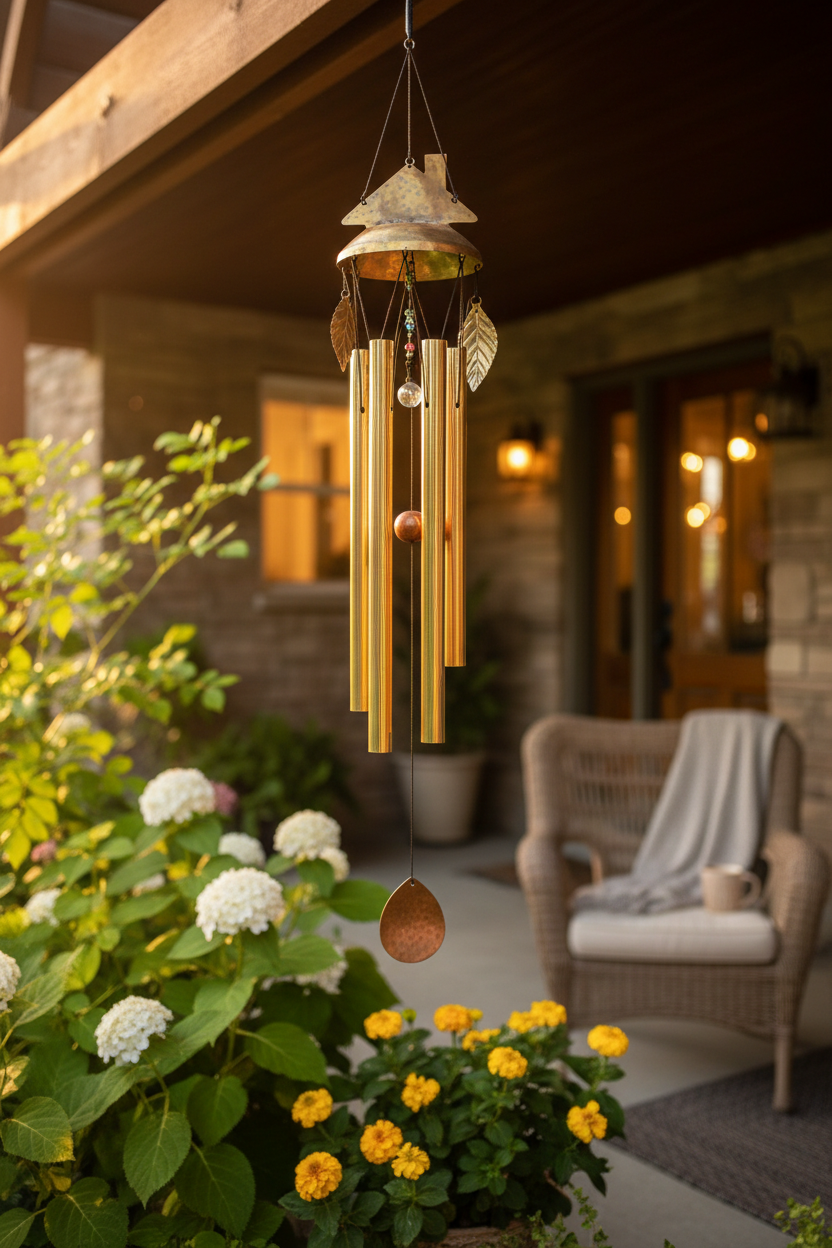
The Wailua 29-inch Copper-Red Wind Chime sits at the upper end of the compact category. Its G Major tuning provides a slightly different harmonic palette, often described as warm and grounding. However, for those specifically seeking deep tone wind chimes, the 38-inch and larger models remain the gold standard. When choosing wind chimes for your specific space, consider that larger chimes need more clearance to swing freely and produce their full tonal range.
How Aluminum Tube Thickness and Diameter Shape Resonance [Study]
The material detailed in wind chime construction dictates how long a note hangs in the air after the initial strike. This quality, called "decay" or "sustain," separates mass-produced tubular bells from instruments designed around sound. 6063 aluminum alloy, commonly used in architectural applications, has become the preferred material for high-quality chimes because it balances rigidity with responsive vibration.
Tube diameter also plays a supporting role. Wider tubes move more air, projecting sound further across a garden or yard. However, if the walls are too thin, the tone becomes thin and metallic rather than warm. The combination of correct diameter with appropriate wall thickness creates rich alto wind chimes that satisfy discerning listeners. This is particularly important for memorial or sympathy gifts, where the sound carries emotional weight.
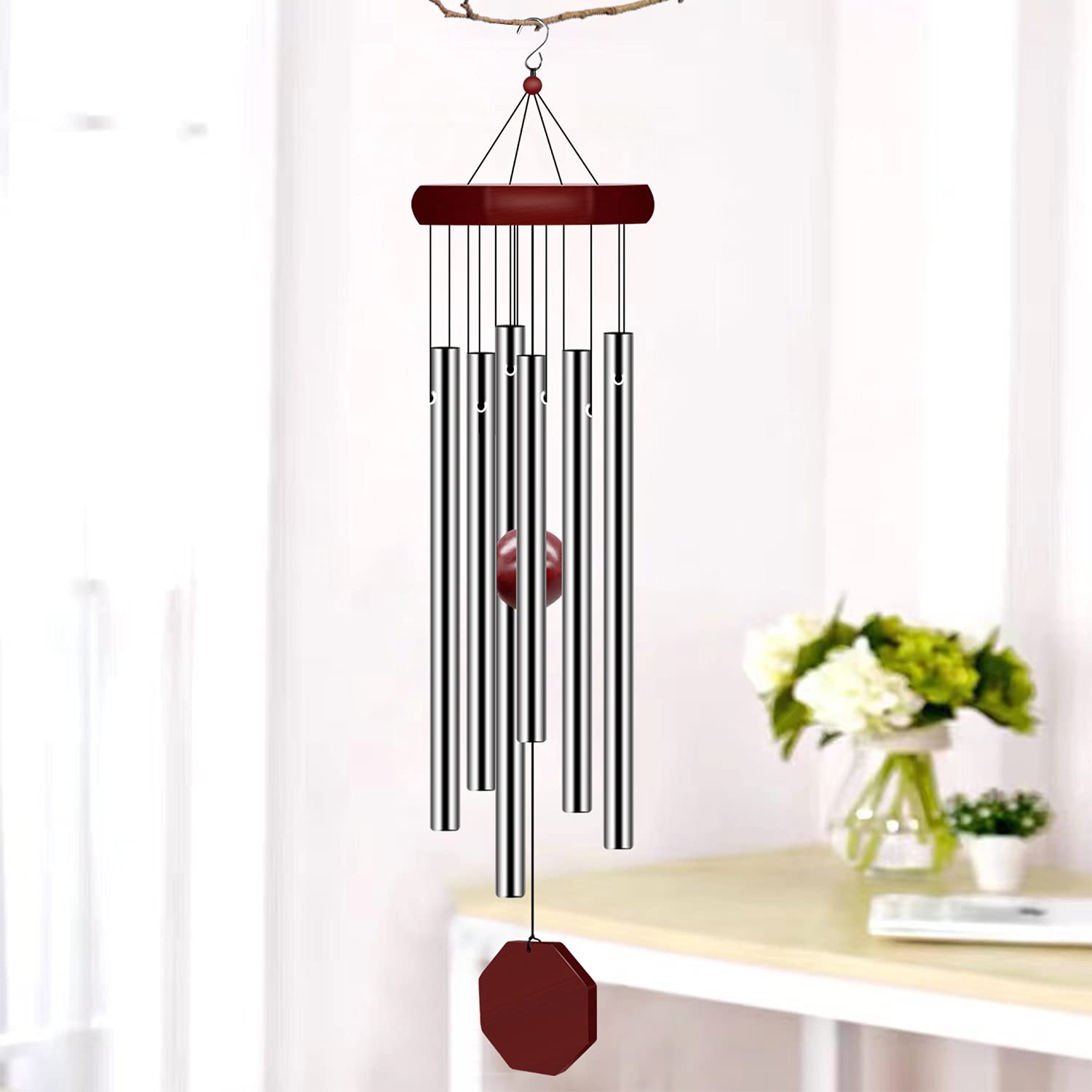
Technical studies on acoustic resonance show that aluminum's density allows it to vibrate efficiently without absorbing too much energy internally. This means more of the wind's kinetic energy becomes sound rather than heat. If you want to listen to tuned chime samples, you will hear the difference between thin, unbranded tubes and hand-tuned designs immediately. The latter sustain notes for several seconds, creating overlapping harmonics that define meditative outdoor sounds.
Pentatonic Tuning: Why Five-Note Scales Sound Inherently Peaceful
Randomly cut tubes produce random notes. Without a tuning framework, wind chimes create sound rather than music. The pentatonic scale solves this by using only five notes per octave, selected specifically to eliminate dissonant intervals. No matter which notes sound together, they harmonize. This is why the Kindness 41-inch eight-tube design works so effectively even with multiple tubes activated by a strong breeze, the result remains musical rather than chaotic.
Music psychology research has long established that pentatonic scales feel "natural" to human hearing. Studies suggest listeners across cultures perceive five-note scales as more harmonious than seven-note chromatic scales. The absence of semitone clashes (like the tritone interval) removes tension from the listening experience. For calming chime sounds, this matters immensely. You want a soundscape that relaxes rather than alerts.
- Harmonic Safety: No dissonant intervals exist between any two notes in a pentatonic scale.
- Universal Appeal: Pentatonic scales appear in folk traditions worldwide, feeling familiar across cultures.
- Emotional Warmth: Major pentatonic tunings (E Major, G Major) evoke positive, peaceful associations.
- Sustained Listening: The absence of harsh clashes allows extended listening without fatigue.
- Meditative Quality: Repetitive, harmonious notes support contemplation and mindfulness practices.
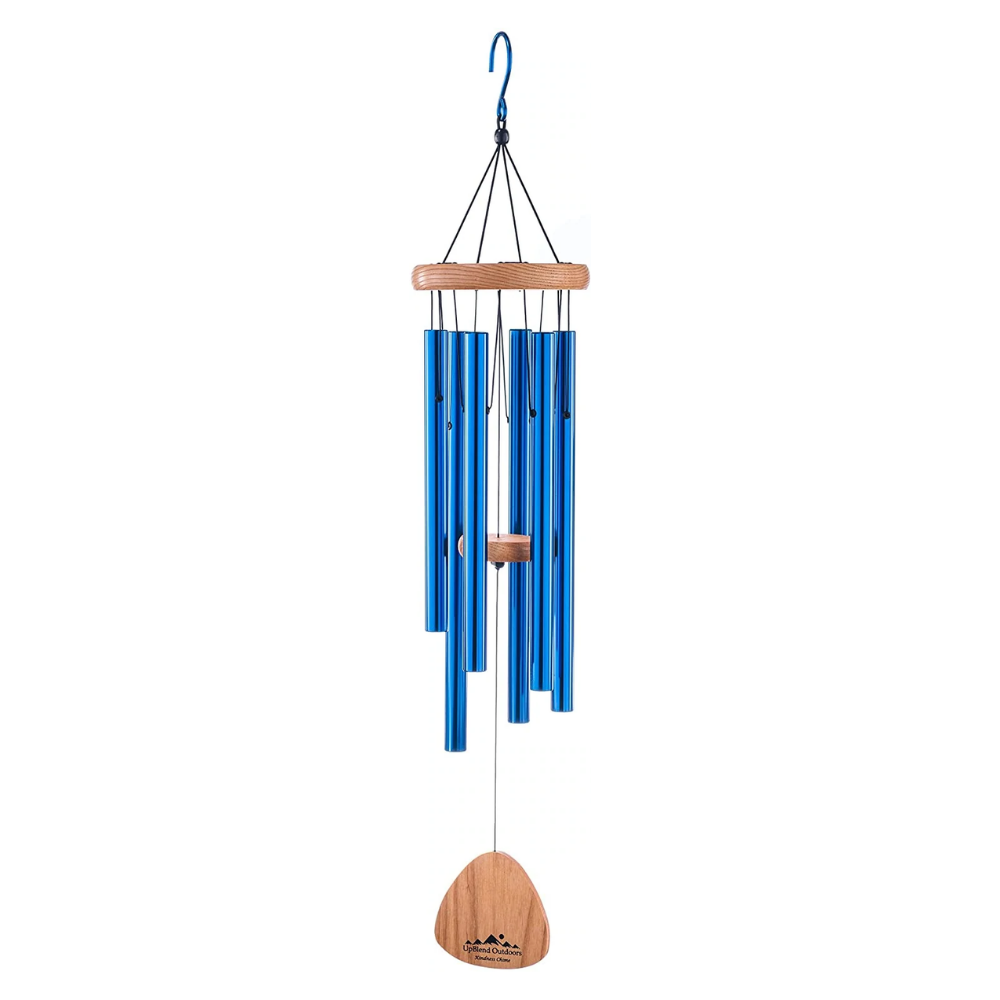
Comparing E Major to G Major reveals subtle differences in character. E Major pentatonic tuning, used in the Havasu series, produces a bright yet grounded voice. G Major, featured in the Wailua 29-inch, offers a slightly warmer, more major-key feel. Both create peaceful wind chime tones, but the choice between them comes down to personal preference. Some find E Major more introspective, while G Major feels more uplifting.
How to Match Wind Chime Size to Your Outdoor Space for Optimal Sound
A common mistake involves placing large, resonant outdoor chimes in cramped spaces. The result? Chime tubes cannot swing freely, and the sound becomes stifled. Conversely, compact chimes may disappear into a large garden, their thin voices lost against wind noise and traffic. Matching size to space ensures you hear the full character of each note.
For balconies and small patios, the Havasu 28-inch wind chime provides ideal proportions. Its compact six-tube arrangement delivers clear melody without dominating the area. Standard-sized patios accommodate mid-range models well anything from 30 to 37 inches strikes a balance between presence and restraint. When you move into larger gardens or open backyards, the Havasu 38-inch or Kindness 41-inch models show their true capability. Their deep, resonant tones carry across distance.
Acoustic guidance suggests allowing at least 6 inches of clearance around all sides of a wind chime for optimal tube movement and full tonal expression.
Height matters too. Hanging wind chimes too close to walls or furniture blocks movement and reflects sound harshly. Aim for at least three feet of vertical clearance below the wind sail. This allows the clapper to travel its full arc. When considering strategic placement for maximum sound quality, think about wind patterns in your specific outdoor area. Corners often create turbulence that activates chimes inconsistently.
Adjustable Clappers and Wind Sail Design: Fine-Tuning Your Sound Experience
The clapper sometimes called the striker is the component that actually hits the tubes. Its weight, shape, and material determine the attack character of each note. A hard plastic clapper produces a sharp, defined strike. A softer material creates a more rounded onset. Some advanced designs, like the Havasu 38-inch with adjustable clapper, let you modify this aspect to suit your taste.
Wind sail design affects how often and how forcefully the clapper strikes. A larger sail catches lighter breezes but may over-activate in strong winds. A teardrop shape, like that on the Wailua 29-inch, balances responsiveness with control. The sail's weight distribution determines whether it swings in gentle arcs or erratic circles. Consistency is key for meditative outdoor sounds you want predictable strikes that create rhythm rather than chaos.
Wind chimes with adjustable clappers allow owners to modify strike intensity by up to 40% based on clapper positioning, letting the sound adapt to different wind conditions.
The Havasu 38-inch model features ash wood components and an adjustable mechanism that lets you change the clapper's distance from the tubes. Move it closer for softer strikes on calm days. Move it outward for fuller volume when breezes pick up. This flexibility makes it a favorite for wind chime accessories for sound control enthusiasts who want hands-on customization.
Step-by-Step: Selecting Your Deep-Toned Wind Chime [2026 Buyer Framework]
Choosing the right wind chime involves a sequence of practical decisions. The following framework helps you move from vague desire to specific selection with confidence. Each step narrows the field until the right model becomes obvious.
[VIDEO_PLACEHOLDER]- Measure Your Space: Determine available hanging area, including clearance for tube movement. Note vertical height and horizontal swing room.
- Identify Your Depth Preference: Decide if you want bright, clear tones (28–32 inch) or deep, resonant bass (38+ inch). If unsure, mid-range offers compromise.
- Choose Your Tuning: Select between E Major (grounded, contemplative) or G Major (warmer, uplifting) pentatonic scales based on emotional preference.
- Verify Material Quality: Confirm the chime uses 6063 aluminum tubes with appropriate wall thickness. Avoid unmarked "mixed metal" products.
- Check Tuning Claims: Ensure the product specifies hand-tuned pentatonic scales. Generic "pleasant sound" descriptions indicate untuned construction.
- Test Tone Samples: Listen to available audio samples before purchasing. The sound should feel peaceful, not jarring, and sustain for 3–5 seconds per strike.
This methodical approach eliminates guesswork. By the time you reach step six, you have filtered out chimes that cannot meet your needs. Using proper where to hang wind chimes for best acoustics guidance ensures your final selection performs as expected from day one.
Best Practices for Long-Term Sound Quality
Resonant outdoor chimes require basic care to maintain their voice. Dust accumulation on tubes can dampen vibration, while debris in the suspension cords affects movement. A seasonal wipe-down with a soft cloth preserves aluminum's reflective finish and acoustic properties. Inspect cords annually for wear, especially if your chime hangs in an exposed location.
Hardware also matters. Using appropriate proper hooks and mounting hardware prevents the chime from twisting or banging against mounting surfaces. A secure, level hang point allows symmetrical tube alignment, which ensures even strikes across all notes. If your chime includes ash wood components, occasional conditioning with outdoor-safe wood oil protects against moisture without affecting tone.
Key Takeaways
- Tube Length Drives Depth: Chimes 35 inches or longer consistently produce the deepest, most resonant bass frequencies.
- Aluminum Sustains Tone: 6063 aluminum alloy delivers superior vibration sustain compared to thinner or mixed metals.
- Pentatonic Tuning Ensures Harmony: Hand-tuned five-note scales prevent dissonance, creating inherently peaceful soundscapes.
- Space Matching Is Essential: Larger chimes need clearance for full movement; compact spaces suit smaller chime profiles.
- Adjustability Adds Value: Features like adjustable clappers let you customize sound intensity for different conditions.
Frequently Asked Questions
What tube length produces the deepest wind chime sound?
Yes, tubes 38 inches and longer produce the deepest tones. Tubes in the 38–45 inch range generate frequencies in lower registers that we perceive as rich and bass-heavy. The Havasu 38-inch and Kindness 41-inch models exemplify this category, offering deep tone wind chimes suitable for large gardens and memorial spaces.
Is aluminum better than steel for wind chime tone?
Yes, aluminum generally produces clearer, more sustained tones than steel. 6063 aluminum alloy offers lower internal damping, meaning vibrations last longer. Steel tends to produce a shorter, more percussive sound. For relaxing wind chimes, aluminum's sustain creates the lingering quality most listeners prefer.
What is the difference between E Major and G Major tuning?
Each tuning offers a different emotional character. E Major pentatonic tuning (found in Havasu models) provides a grounded, slightly more introspective voice. G Major (featured in Wailua 29-inch) sounds warmer and more uplifting. Both create harmonic safety, but the tonal center shifts how listeners emotionally respond.
How high should I hang wind chimes for best sound?
Hang chimes at least 5–6 feet above ground level with 3 feet of clearance below. This height allows the wind sail to travel its full arc without hitting obstacles. Hanging too low restricts movement and muffles tone. Higher placement also helps sound carry across your outdoor space rather than being absorbed by furniture or plants.
Can I adjust how loud my wind chimes sound?
Yes, adjustable clapper mechanisms let you modify volume. Models like the Havasu 38-inch feature adjustable clappers that change strike intensity. You can also reposition chimes to areas with less wind exposure. Adding damping materials to the clapper provides a softer attack if you prefer subtle background sound.
Do more tubes mean better sound quality?
Not necessarily tuning and tube quality matter more than tube count. A six-tube chime hand-tuned to a pentatonic scale often sounds more musical than an un-tuned eight-tube design. The Kindness 41-inch uses eight tubes to expand melodic range, but only because each tube is individually tuned. More tubes without proper tuning create clutter, not music.
Deep, soothing wind chimes transform outdoor spaces into sanctuaries of sound. By focusing on tube length, material quality, and musical tuning, you can confidently select explore wind chime accessories and instruments that deliver the peaceful, resonant tones you seek. Whether for your own garden or as a meaningful gift, the right chime speaks through its voice let that voice be one of depth, harmony, and lasting quality.


