
Lighthouse wind chimes blend maritime imagery with hand-tuned musical scales, creating functional outdoor décor that evokes coastal calm. Whether you're decorating a seaside porch or gifting a nautical keepsake, understanding the relationship between visual theme, material construction, and tonal character helps you choose a wind chime that complements your space and delivers the rich, resonant sound coastal enthusiasts value most.
Quick Answer: Why Lighthouse Wind Chimes Appeal to Coastal Décor Enthusiasts
Lighthouse wind chimes are defined by their nautical-themed visual elements typically featuring lighthouse motifs, sailboats, or anchor designs paired with hand-tuned aluminum tubes that produce clear, musical tones. In 2026, these pieces have become increasingly popular as meaningful coastal gifts, reflecting a broader trend toward home décor that tells a story rather than simply filling space.

Unlike generic garden ornaments, these instruments combine aesthetic charm with genuine musical quality. The visual theme connects to coastal heritage, while the tuned tubes ensure the sound is as pleasing as the appearance. For homeowners seeking that seaside porch ambiance or gift shoppers looking for something memorable, choosing wind chimes based on theme and sound ensures the final selection resonates both visually and sonically.
How Lighthouse Wind Chimes Combine Visual Theme With Musical Tuning
The appeal of lighthouse wind chimes lies in how they marry decorative nautical elements with genuine acoustic engineering. The lighthouse topper or wind sail might catch the eye, but the sound comes from carefully crafted aluminum tubes, each cut and tuned to a specific musical scale. Most quality lighthouse wind chimes use a pentatonic scale a five-note sequence that creates harmonious sounds regardless of which tubes chime together.
This tuning approach means the wind does the composing. No matter how the breeze moves the clapper, the resulting notes sound pleasant rather than chaotic. The visual nautical elements serve as the first impression, drawing attention to the piece, while the sound quality keeps it a welcome presence on a porch or patio year after year. Understanding what makes wind chimes soothing helps buyers appreciate why tuning matters as much as theme.
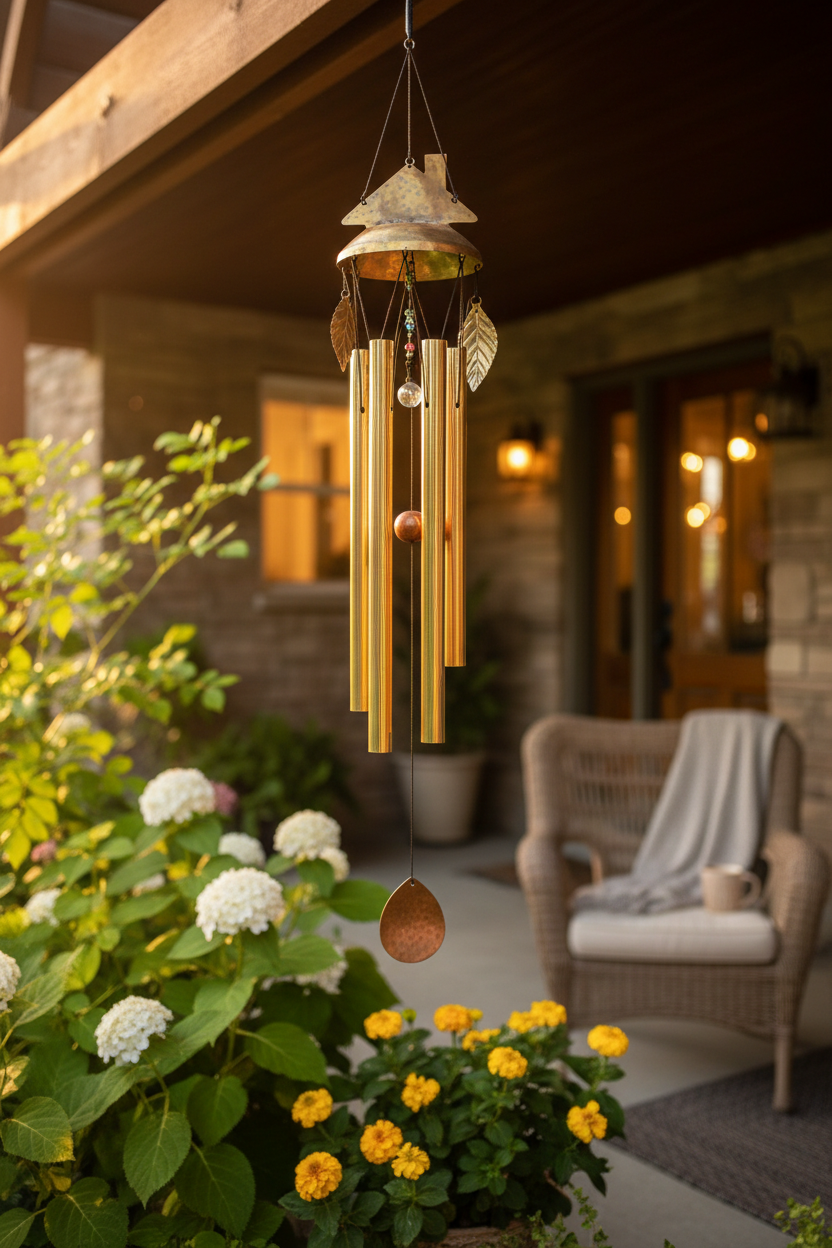
- Hand-tuned aluminum tubes cut to precise lengths for accurate pitch
- Pentatonic musical scales ensuring harmonious random play
- Lighthouse topper designs featuring maritime motifs like lighthouses, anchors, or sailboats
- Teardrop wind sails that catch the breeze and often carry thematic engravings
- Black or natural cording selected for outdoor durability
Material Construction: Aluminum Tubes vs. Decorative Lighthouse Components
The tonal heart of any quality lighthouse wind chime is the aluminum tubing. Specifically, 6063 aluminum alloy is favored for its acoustic properties it produces a clear, sustained ring that carries well in outdoor environments. The tubes are hand-tuned, meaning each one is precisely cut to produce a specific musical note. This is fundamentally different from decorative tubes that merely look the part without authentic sound quality.
The decorative lighthouse components toppers and wind sails are typically made from materials selected for visual appeal and outdoor resilience. These might include powder-coated metals, treated woods like ash, or durable synthetics. While these elements define the nautical aesthetic, they play a secondary role in sound production. For buyers prioritizing explore hand-tuned outdoor wind chimes, understanding this distinction separates pieces built for music from those built for looks alone.

| Material | Tonal Character | Coastal Suitability | Best Use Case |
|---|---|---|---|
| Aluminum Tubes | Clear, sustained ring with hand-tuned precision | Highly durable; built for outdoor use | Primary sound-producing element; long-term tonal quality |
| Bamboo | Warm, natural, hollow percussion sound | May require more maintenance in humid coastal air | Eco-conscious décor prioritizing visual over musical precision |
| Ceramic | Delicate, bell-like tones with limited sustain | Fragile in windy coastal conditions | Sheltered patio use; purely decorative applications |
Sizing Lighthouse Wind Chimes for Porches, Patios, and Coastal Gardens
Size directly affects both sound and placement. Compact lighthouse wind chimes in the 28-inch range work beautifully for balconies, small porches, or intimate garden nooks where a larger instrument might overwhelm the space. These smaller pieces typically feature shorter tubes, producing higher-pitched, brighter tones that suit close-range listening. For homeowners with limited outdoor square footage, these compact models bring coastal charm without demanding too much visual or auditory real estate.
Larger wind chimes measuring 38 to 41 inches produce deeper, richer tones that carry further. These are ideal for spacious porches, open gardens, or yards where the sound needs to travel. The longer tubes resonate at lower frequencies, creating a more profound auditory presence that complements rather than competes with broader outdoor soundscapes. mastering wind chime placement helps determine which size best suits a specific location.

- 28-inch compact models for apartment balconies and small patio spaces
- Porches with overhead cover benefit from 29-32 inch mid-range sizes
- Open gardens and yards suit 38-inch or larger chimes for deeper resonance
- Coastal cottage settings often pair well with 41-inch models for a substantial presence
- Memorial gardens benefit from larger sizes with longer sustain for contemplative moments
Pentatonic Scales in Lighthouse Wind Chimes: E Major vs. G Major
The musical scale a wind chime is tuned to defines its personality. Two popular choices for coastal-themed pieces are E Major pentatonic and G Major pentatonic, each bringing a distinct tonal character. E Major pentatonic tends toward a bright, uplifting sound cheerful and energetic, like morning light on water. This tuning suits spaces meant to feel welcoming and vibrant, such as front porches or poolside patios where activity and energy are welcome.
G Major pentatonic, by contrast, offers a warmer, deeper character. The notes sit slightly lower, producing a sound that feels grounded and contemplative more sunset than sunrise. This tuning pairs beautifully with spaces designed for relaxation, such as a back garden bench or a reading nook. For those exploring Havasu Collection hand-tuned wind chimes, comparing these tonal profiles helps match the sound to the intended atmosphere.
| Tuning | Tonal Character | Ideal Setting | Emotional Feel |
|---|---|---|---|
| E Major Pentatonic | Bright, clear, higher pitch | Balconies, front porches, active outdoor spaces | Uplifting, cheerful, welcoming |
| G Major Pentatonic | Warm, deep, resonant | Gardens, memorials, relaxation areas | Contemplative, calming, grounded |
Lighthouse Wind Chimes as Memorial and Sympathy Gifts [2026 Data]
In 2026, lighthouse wind chimes have emerged as meaningful sympathy gifts, particularly for families with coastal connections. The lighthouse itself carries powerful symbolism standing steady through storms, offering guidance, and watching over the water. For someone mourning a loved one who loved the ocean, a nautical-themed wind chime becomes more than décor; it is a lasting tribute that sings with every breeze.
Personalization options have expanded, with many selecting specific engravings or choosing tubes tuned to a scale that held meaning for the person being remembered. Unlike flowers that fade, a well-crafted wind chime offers years of presence a gentle auditory reminder that lives on in a garden or porch. For those seeking memorial wind chimes with deep tones, the combination of nautical imagery and resonant sound creates a gift that honors both memory and melody.
Coastal memorials in 2026 increasingly incorporate sound elements, with wind chimes ranking among the most requested remembrance gifts for seaside services and ocean scattering ceremonies.
How to Hang and Secure Lighthouse Wind Chimes in Coastal Winds
Coastal environments bring specific challenges for wind chime placement. Salt spray, humidity, and stronger breezes all affect how a chime performs and ages. Positioning the instrument where it can catch the wind but avoid direct salt spray extends its life significantly. A covered porch or a spot under eaves provides protection while still allowing enough breeze to produce sound. Adjustable clappers offer another layer of control letting owners regulate how readily the chime responds to wind intensity.
In very windy conditions, securing the wind chime properly prevents both damage and excessive noise. Using a sturdy hook rated for outdoor use and checking the hanging cord periodically ensures the piece stays safely suspended. Learning about securing outdoor chimes in windy conditions helps coastal homeowners protect their investment while enjoying the sound safely.
- Choose a location with partial cover to protect from direct salt spray and heavy rain
- Use corrosion-resistant hooks rated for outdoor weight capacity
- Adjust the clapper position to control responsiveness in varying wind conditions
- Inspect cords seasonally for wear, especially after winter storms
Key Takeaways: Selecting the Right Lighthouse Wind Chime
Choosing a lighthouse wind chime means balancing three core factors: visual theme, musical tuning, and appropriate sizing. The nautical aesthetic draws the eye, but the hand-tuned aluminum tubes determine whether the piece becomes a cherished presence or an overlooked ornament. Understanding the difference between pentatonic scales helps match the tone to the intended mood, while proper sizing ensures the sound fits the space without overwhelming or disappearing into it.
Quality construction matters more than novelty. A well-made chime with properly tuned tubes will sound better and last longer than a purely decorative piece that prioritizes appearance over acoustics. For buyers ready to shop wind chimes and accessories, keeping these priorities in focus leads to a selection that delivers both coastal charm and lasting musical value.
- Hand-tuned aluminum tubes ensure authentic musical quality, not just visual appeal
- E Major pentatonic offers bright tones; G Major delivers deeper warmth
- 28-inch sizes suit small spaces; 38-41 inch models fill larger areas
- Partial cover placement protects against salt spray in coastal environments
- Memorial gifting benefits from symbolic lighthouse imagery and sustained tones
FAQ: Lighthouse Wind Chimes for Coastal Living
Can lighthouse wind chimes stay outside year-round?
Yes, quality hand-tuned wind chimes are built for outdoor use. Models with 6063 aluminum tubes and durable cords withstand seasonal weather. However, positioning under partial cover extends lifespan by reducing direct exposure to salt spray and heavy precipitation in coastal regions.
What size wind chime sounds best on a covered porch?
Mid-range sizes between 29 and 38 inches perform well on covered porches. This scale produces sufficient resonance without overwhelming the enclosed space. The overhang naturally limits wind intensity, so slightly larger tubes still respond without excessive clatter.
Do aluminum lighthouse wind chimes sound better than wooden ones?
Aluminum produces clearer, more sustained tones than wooden chimes. Hand-tuned aluminum tubes ring with musical precision, creating defined notes. Bamboo or wooden chimes offer a percussive, rhythmic sound that appeals to those preferring natural aesthetics over musical tuning.
Are lighthouse wind chimes appropriate sympathy gifts?
Yes, the lighthouse symbolism resonates powerfully for memorial purposes. Representing guidance, steadiness, and watchful presence, lighthouse motifs pair naturally with remembrance. Hand-tuned tubes provide a lasting auditory tribute that outlives flowers and cards.
How do I stop my wind chime from clanging too loudly?
Adjusting the clapper distance reduces volume and responsiveness. Moving the wind sail or clapper closer to the tubes limits swing range. Alternatively, relocating to a less windy spot or using a partial wind block allows the chime to sing gently without harsh strikes.
What does the pentatonic scale mean for wind chime sound?
Pentatonic tuning ensures every note combination sounds harmonious. Using only five specific notes per octave means the wind creates pleasant chords regardless of which tubes sound together. This prevents discordant jangling, making the chime soothing rather than jarring.


