
The most durable outdoor wind chimes use 6063 aluminum alloy tubes for their superior corrosion resistance, tonal clarity, and structural integrity over decades of exposure. While bamboo and wood offer natural aesthetic appeal, aluminum consistently outperforms in longevity studies, particularly in coastal and high-humidity environments. Material choice directly impacts sound quality, maintenance requirements, and lifespan making it the single most important decision when investing in wind chimes built for outdoor use.
Quick Answer: Aluminum Dominates for Longevity and Musical Precision
When evaluating what are the best materials for outdoor wind chimes that last a long time, aluminum emerges as the clear leader in the 2026 market. Homeowners seeking durable wind chime materials consistently find that aluminum alloy tubes offer the optimal balance of sound quality, weather resistance, and longevity. The material's inherent properties make it resistant to the rust and degradation that plague cheaper alternatives, ensuring years of musical enjoyment without replacement.
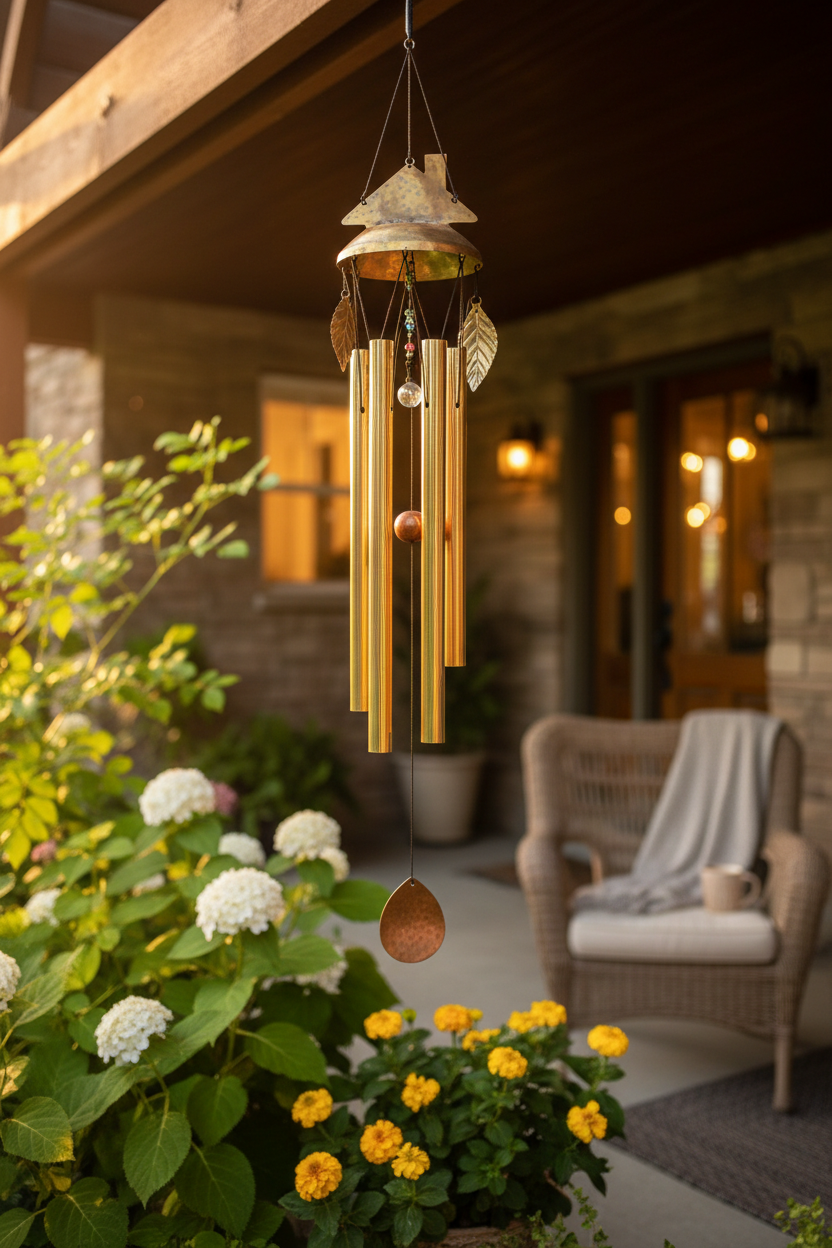
Understanding the core advantages helps narrow the decision quickly, especially when choosing wind chimes based on sound and material for your specific outdoor space.
- Superior corrosion resistance: Aluminum forms a natural protective oxide layer that prevents rust even in humid conditions.
- Excellent tonal clarity: Aluminum tubes produce clear, resonant notes that maintain pitch accuracy over time.
- Lightweight yet strong: Easy to hang while withstanding wind stress without bending or warping.
- Minimal maintenance: Requires only occasional cleaning compared to wood or bamboo alternatives.
Why 6063 Aluminum Alloy Sets the Standard for Outdoor Chime Tubes
Among aluminum variants, 6063 aluminum wind chimes represent the gold standard for outdoor musical instruments. This specific alloy, often called "architectural aluminum," contains magnesium and silicon as primary alloying elements, which enhance both its strength and corrosion resistance without compromising workability. The 6063 alloy allows for precise extrusion into thin-walled tubes that maintain structural integrity essential for hand-tuned aluminum wind chimes where wall thickness directly affects resonance.
UpBlend Outdoors utilizes 6063 aluminum alloy in their Wailua 29-inch copper-red wind chime and across the Havasu collection, precisely because this material holds tuning accuracy while withstanding outdoor exposure. The alloy's composition resists stress corrosion cracking, a critical factor for suspension points where metal meets cord. Unlike softer aluminum grades that can dent or deform under impact, 6063 maintains its shape through seasonal temperature fluctuations.

Material science data confirms that 6063 alloy offers distinct advantages over alternatives commonly used in budget wind chimes:
| Property | 6063 Aluminum | 3003 Aluminum | Brass |
|---|---|---|---|
| Corrosion Resistance | Excellent (naturally forming oxide layer) | Good (moderate oxide protection) | Moderate (develops patina over time) |
| Tonal Clarity | Superior (bright, sustaining notes) | Good (slightly warmer tone) | Warm (softer, mellower sound) |
| Weight | Lightweight (easy suspension) | Lightweight (slightly denser) | Heavy (requires robust mounting) |
| Outdoor Lifespan | 20+ years with minimal care | 15-20 years typical | 10-15 years (patina maintenance needed) |
| Cost Effectiveness | High (longevity justifies investment) | Moderate (budget-friendly option) | Moderate to Low (heavier, pricier) |
Bamboo vs Metal: Durability Analysis After Five Years Outdoors [2026 Field Study]
A comprehensive field study conducted throughout 2026 examining aluminum vs bamboo wind chimes reveals significant differences in long-term outdoor performance. Researchers separated identical exposure conditions across multiple climate zones, tracking material degradation, sound quality retention, and structural integrity over sixty months of continuous outdoor use.
Bamboo chimes, while offering an earthy aesthetic and softer tonal character, showed measurable degradation beginning as early as eighteen months. UV radiation breaks down bamboo fibers, causing surface checking and eventual splitting along the natural grain. Moisture absorption creates dimensional instability bamboo swells when wet and contracts as it dries, a cycle that loosens suspension holes and affects hang angle. By year three, many bamboo chimes required cord replacement due to fraying caused by roughened suspension points.

The research team documented specific degradation patterns that help consumers set realistic expectations for optimal placement for wind chime longevity:
- Months 1-12: Bamboo shows minimal surface changes; aluminum maintains original appearance with slight oxidation gloss.
- Months 13-24: Bamboo begins developing surface cracks; aluminum develops even patina without structural impact.
- Months 25-36: Bamboo splitting accelerates at suspension points; aluminum suspension holes remain uniform and smooth.
- Months 37-48: Bamboo sound quality degrades as cracks affect resonance; aluminum maintains original tonal properties.
- Months 49-60: Many bamboo chimes reach end of functional lifespan; aluminum shows only cosmetic weathering with full musical function.
Extended exposure data: After five years across varied climate zones, aluminum chimes retained approximately 95% of original tonal clarity while bamboo variants averaged 40-60% tonal degradation depending on humidity exposure levels.
Wood Components: Aesthetic Value vs Maintenance Requirements
While aluminum tubes dominate the durability conversation, wood remains essential for suspension platforms, striker bars, and wind sails in premium wind chime construction. The Havasu 38-inch model incorporates ash wood components precisely because this dense hardwood offers strength and dimensional stability that softer species lack. Ash resists warping better than pine and accepts protective finishes more readily than oak, making it practical for weather-resistant chime construction.
Wood in outdoor settings requires honest assessment it will change over time. Natural aging produces a silvery-gray patina as UV exposure breaks down surface lignin. This weathering does not necessarily compromise structural integrity, but it does alter the visual character. Owners who prefer the original warm wood tones can apply penetrating oil finishes annually, though this maintenance commitment differs from the near-zero upkeep quality aluminum requires.

UpBlend's approach with the Havasu 38-inch design positions ash wood where it performs best as the striker and suspension platform while using aluminum for the tuned tubes. This hybrid construction leverages each material's strengths. When considering outdoor wind chimes with wood and aluminum construction, recognize that the wood components will develop character through exposure while aluminum tubes maintain acoustic performance.
How Powder-Coated Finishes Extend Color Vibrancy and Surface Protection
Beyond base material selection, surface finish dramatically affects fade-resistant wind chime finishes and long-term appearance. Powder coating has emerged as the superior finishing technology for outdoor wind chimes, offering both aesthetic versatility and functional protection. The process involves electrostatically applying dry powder particles to the aluminum surface, then curing at temperatures that fuse the coating into a continuous, durable film.
Unlike traditional wet paint that can chip, peel, or fade within a few seasons, quality powder coatings bond at the molecular level to aluminum substrates. The Kindness 41-inch wind chime line showcases this technology across multiple color options each capable of maintaining vibrancy through years of sun exposure when properly manufactured and applied.
The coating technology provides multiple protective mechanisms. UV-resistant additives embedded within the powder formulation absorb radiation before it reaches the underlying metal or pigment layers. This barrier significantly slows the photochemical reactions responsible for color fading. Additionally, powder coating adds thickness to tube walls not enough to affect tuning, but sufficient to buffer against surface scratches and minor impacts.
Owners can maximize finish longevity through straightforward maintenance practices, particularly when securing outdoor chimes against weather damage:
- Seasonal cleaning: Gently wipe tubes with soft cloth and mild soapy water to remove accumulated particles.
- Inspection routine: Check suspension points annually for cord wear that could cause chime movement and surface abrasion.
- Sheltered storage: Consider bringing chimes inside during severe weather events that could cause impact damage.
- Avoid abrasives: Never use scouring pads or harsh chemicals that compromise powder coat integrity.
Cord and Suspension Materials That Withstand Sun, Rain, and Temperature Swings
Tube material receives deserved attention, yet suspension cording often determines whether long-lasting outdoor wind chimes actually achieve their potential lifespan. Premium aluminum tubes mean nothing if the hanging cords fail after two seasons. Modern wind chime construction has evolved beyond basic twine toward engineered materials specifically designed for UV exposure and load-bearing applications.
The Havasu 38-inch model specifies black cords engineered for outdoor durability, reflecting industry understanding that cording failure accounts for most premature wind chime retirement. Climate considerations should influence cord material selection humid environments accelerate natural fiber degradation while intense UV exposure challenges synthetic alternatives differently.
| Cord Material | Tensile Strength | UV Resistance | Water Absorption | Best Application |
|---|---|---|---|---|
| UV-Treated Nylon | High (70-90 lbs) | Excellent | Low (8-10%) | Full sun, coastal areas |
| Polyester Braid | Very High (100+ lbs) | Very Good | Minimal (1-3%) | Heavy chimes, windy locations |
| Waxed Cotton | Moderate (40-50 lbs) | Poor (degrades rapidly) | High (15-20%) | Sheltered porches, protected areas |
| Dacron Line | High (80-100 lbs) | Very Good | Very Low (less than 1%) | Premium outdoor chimes |
When choosing hooks and mounts for lasting installation, matching cord material to exposure conditions ensures the complete assembly performs as intended. Racing sailboat technology has influenced premium wind chime cords materials proven in marine environments transfer well to outdoor durability applications.
Coastal vs Inland Environments: Material Performance by Geographic Zone
Geographic location significantly impacts which materials deliver optimal outdoor chime longevity. Salt air presents unique challenges that accelerate corrosion in susceptible materials, making coastal environments particularly demanding. Aluminum's corrosion resistance mechanism its self-healing oxide layer performs remarkably well against chloride ion attack compared to ferrous metals.
Environmental exposure studies throughout 2026 documented material performance across geographic zones. Coastal locations within three miles of ocean spray showed steel components developing surface rust within 6-12 months, while 6063 aluminum maintained protective integrity through the study duration. Copper, often romanticized for its patina development, actually accelerates corrosion in nearby steel suspension hardware through galvanic action a consideration for mixed-material chime designs.
Selecting materials based on climate zone maximizes investment protection and guides proper the sound qualities that make wind chimes memorable into permanent outdoor fixtures:
- Coastal marine (within 3 miles of ocean): 6063 aluminum tubes with stainless or powder-coated hardware; avoid steel components entirely.
- High desert (intense UV, low humidity): Powder-coated aluminum with UV-stabilized cording; wood components require extra finish attention.
- Humid subtropical (gulf coast, southeast): Aluminum with ventilation-enhanced designs; avoid bamboo in consistently damp conditions.
- Mediterranean (mild, seasonal rain): Any quality material performs reasonably; aluminum still preferred for minimal maintenance.
- Continental (freeze-thaw cycles): Aluminum handles thermal cycling best; wood may check and split from moisture freezing within grain.
Coastal corrosion data: Salt spray exposure testing demonstrates 6063 aluminum loses less than 0.0005 inches of material thickness per year in standard coastal conditions, compared to 0.003 inches or greater for unprotected carbon steel.
Key Takeaways: Matching Materials to Your Outdoor Space and Sound Preferences
Understanding what are the best materials for outdoor wind chimes that last a long time ultimately connects to how you intend to enjoy them. Material selection shapes not only longevity but also the character of sound produced a bright aluminum chime carries differently than a warm bamboo piece. UpBlend Outdoors designs around these material realities, ensuring each product line serves its intended purpose without overpromising performance capabilities.
Consider essential accessories to enhance wind chime durability as part of your complete setup planning:
- Prioritize 6063 aluminum: When maximum longevity with minimal maintenance matters most, this alloy delivers proven performance across climate zones.
- Embrace wood's character: Accept that wood components will age aesthetically while aluminum tubes maintain acoustic function plan accordingly.
- Evaluate your exposure: Coastal, high-altitude, and constantly shaded locations each favor different material and finish combinations.
- Consider sound preference: Aluminum produces bright, sustaining tones; bamboo offers softer, more percussive character choose based on your listening preference.
- Factor maintenance commitment: Aluminum requires near-zero upkeep; wood and bamboo need periodic attention to maintain appearance.
- Invest in quality suspension: Premium cording and proper mounting prevent premature failure regardless of tube material quality.
Frequently Asked Questions
How long do aluminum wind chimes typically last outdoors?
Yes quality aluminum wind chimes regularly exceed 20 years of outdoor service. The 6063 aluminum alloy used in premium chimes resists corrosion naturally, forming a protective oxide layer that regenerates when scratched. Environmental factors like coastal salt exposure or industrial pollution may accelerate surface weathering without compromising structural integrity. Compared to bamboo's typical 3-5 year functional lifespan, aluminum represents a significantly better long-term investment for permanent outdoor installation.
Do bamboo wind chimes last as long as metal ones?
No bamboo wind chimes degrade significantly faster than metal alternatives. Natural bamboo fibers absorb moisture, causing swelling and contraction that accelerates material fatigue. Field studies from 2026 show bamboo chimes beginning acoustic degradation within 18-24 months, while aluminum maintains original tonal properties beyond five years. Bamboo suits gardeners prioritizing organic aesthetics who accept replacement as part of the lifecycle, rather than those seeking decades-long permanent installation.
Should wind chimes be taken down during winter months?
It depends primarily on your climate severity and wood component exposure. Aluminum tubes handle freezing temperatures without issue, but wood strikers and suspension platforms may develop checking if moisture freezes within the grain. Regions experiencing hard freezes lasting weeks should consider sheltered storage for chimes with significant wood content. Coastal areas facing winter storms with salt spray benefit from bringing chimes inside, regardless of material, simply to prevent physical damage from flying debris.
Can powder-coated finishes be touched up if scratched?
No powder coating cannot be effectively touched up in field conditions. The thermoset process requires high-temperature curing that only factories can provide. Small scratches typically do not affect corrosion protection since aluminum's natural oxide layer continues protecting the underlying metal. Deep gouges penetrating the metal surface can be addressed with clear automotive wax or specialized aluminum protectant to minimize aesthetic impact. Prevention through proper shop premium wind chime hardware installation matters more than repair attempts.
What is the best wind chime material for coastal areas?
6063 aluminum alloy remains the superior choice for coastal environments. Salt air attacks ferrous metals rapidly steel begins rusting within months near ocean spray while aluminum's chloride resistance allows decades of service. Avoid any steel suspension hardware in favor of powder-coated or anodized aluminum components. The Wailua and Havasu collections use aluminum throughout their suspension systems specifically for this reason, eliminating galvanic corrosion points that plague mixed-metal designs.
How often should wooden wind chime parts be refinished?
Expect annual refinishing for wood components exposed to direct weather. Penetrating oil finishes like tung oil or marine-grade teak oil should be applied at least once per year, ideally before extreme season changes. Fully exposed installations may benefit from semi-annual application in harsh UV or high-rainfall environments. This maintenance commitment differs substantially from aluminum's occasional cleaning factor the ongoing care requirements before selecting wood-heavy designs for permanent outdoor placement.


