
Wind chimes are primarily made from aluminum, bamboo, copper, steel, ceramic, or glass each material producing a distinctly different sound. Aluminum produces the clearest, most musical tones and allows for precise hand-tuning to pentatonic or diatonic scales, making it the preferred choice for sound-conscious buyers in 2026. Bamboo creates softer, earthy tones, while copper develops rich patina over time. The best-sounding material depends on your tonal preference, outdoor space size, and whether you prioritize tuned musicality or natural ambient sound.
Quick Answer: Why Aluminum Dominates Modern Wind Chime Design
Aluminum has become the standard material for quality wind chimes because it solves the three biggest challenges in chime design: sound clarity, tuning precision, and outdoor longevity. The 6063 aluminum alloy used in premium chimes offers an ideal density-to-weight ratio that produces rich overtones without requiring excessive tube thickness. This allows makers to hand-tune each tube to specific musical notes, something that's nearly impossible with wood or natural materials.
For anyone choosing the right wind chime, understanding why aluminum dominates helps separate musical instruments from simple noise makers. The material's consistency means every tube in a six or eight-chime set can be tuned to exact frequencies within a chosen scale, creating harmonious combinations rather than random clattering.
- Aluminum: Produces clear, resonant tones and allows precise hand-tuning to musical scales like G Major or E Major pentatonic.
- Bamboo: Creates hollow, earthy sounds that emphasize natural ambience over musical pitch accuracy.
- Copper: Offers warm, mellow tones with visual appeal that improves as the metal develops patina outdoors.
- Steel: Delivers bright, penetrating tones with excellent projection, often used in larger bass chimes.
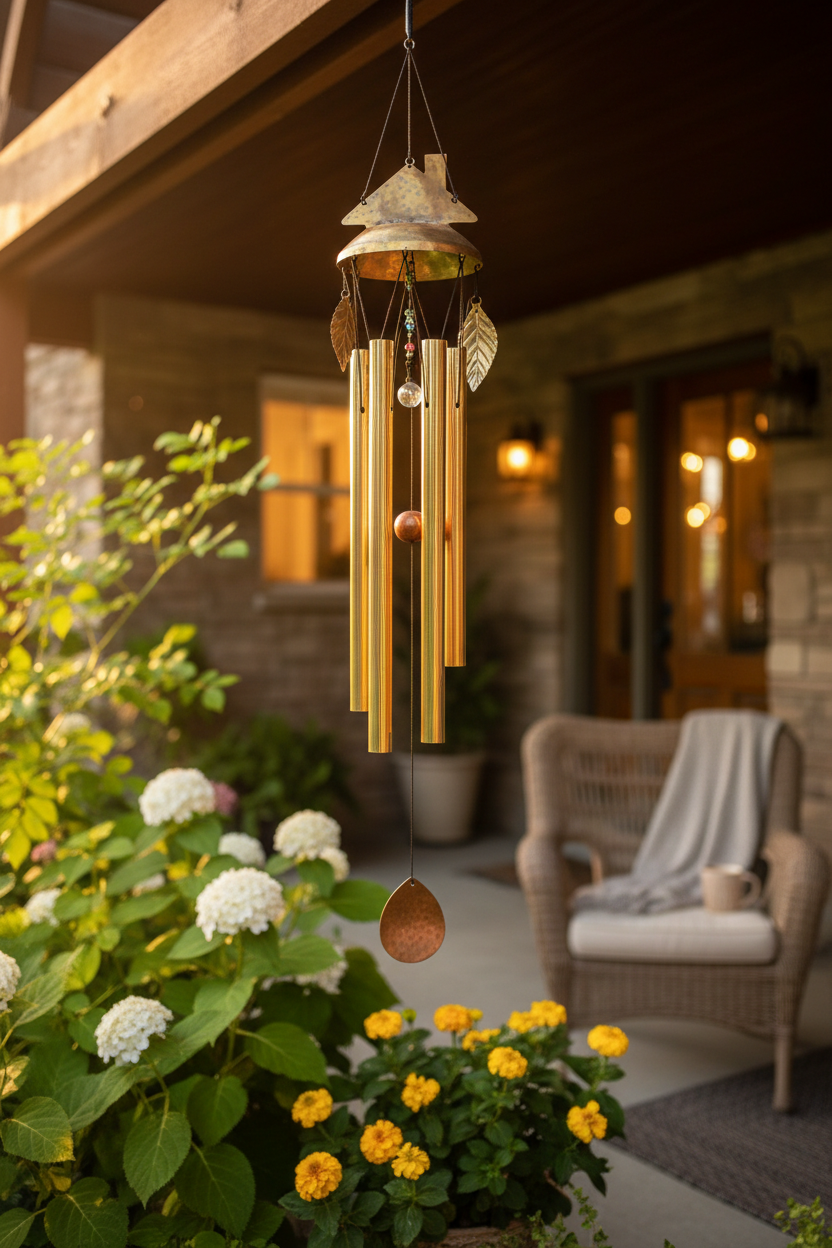
Aluminum Wind Chimes: Precision Tuning Meets Outdoor Durability [2026 Material Analysis]
The 6063 aluminum alloy represents a significant advancement over earlier wind chime materials. This specific alloy contains magnesium and silicon, creating a material that's corrosion-resistant and capable of holding precise musical tuning through years of outdoor exposure. Unlike pure aluminum, which would be too soft for structural use, 6063 provides the rigidity needed for thin-walled tubes that still ring clearly.
UpBlend Outdoors uses this alloy across their aluminum collections because it allows consistent results from the hand-tuning process. Each tube gets cut to length, then carefully adjusted until it resonates at the exact frequency required for its note in the pentatonic scale. The Wailua 29-inch Copper-Red Wind Chime demonstrates this precision with its six tubes tuned to G Major, while the Havasu series available in both 28-inch and 38-inch configurations uses E Major tuning for a different melodic character.
You can listen to different aluminum chime tones to hear how tube diameter and wall thickness affect the sound. The relationship between physical dimensions and pitch follows predictable physics, which is why experienced makers can design chimes for specific tonal outcomes before cutting a single tube.
| Tube Diameter | Length Range | Resulting Pitch | Tonal Character |
|---|---|---|---|
| 1.0 inch | 12-18 inches | High soprano | Bright, quick decay |
| 1.25 inches | 18-28 inches | Alto-mezzo | Balanced, clear sustain |
| 1.5 inches | 28-38 inches | Tenor-alto | Deep, rich resonance |
| 1.75+ inches | 38-50 inches | Bass | Full, sustained tones |

Bamboo vs Metal: The Fundamental Sound Character Divide
The choice between bamboo and metal wind chimes often comes down to what you want from the Sound. Metal chimes produce defined musical notes each tube resonates at a specific pitch, creating melodies that can complement the natural sounds around your outdoor space. Bamboo chimes work differently, generating hollow, percussive tones that blend into the background rather than standing out as music.
This isn't about one material being better than the other. It's about matching the sound character to your environment and preferences. A bamboo chime might suit a meditation garden or Zen-inspired patio, while hand-tuned aluminum fits better when you want actual musical intervals floating through the air. Consider what you want from what makes certain wind chime sounds so calming the answer varies significantly between material types.
- Metal Chimes - Musical Clarity: Individual notes ring at specific pitches, enabling tuned melodies.
- Metal Chimes - Sustain: Tones continue ringing after the initial strike, creating overlapping harmonics.
- Metal Chimes - Consistency: Sound quality remains stable across temperature and humidity changes.
- Bamboo Chimes - Natural Tone: Hollow, woody sounds blend with nature rather than standing apart.
- Bamboo Chimes - Rhythmic: creates gentle percussion patterns rather than melodic sequences.

How Material Thickness and Tube Length Control Tone Depth
The physics behind wind chime sound is straightforward once you understand the basics. Longer tubes produce lower frequencies the same principle that makes bass guitar strings longer than guitar strings. Tube diameter affects the volume and richness, with wider tubes moving more air and creating fuller tones. Wall thickness influences both sustain and durability, though the relationship isn't purely linear.
Comparing the Havasu 28-inch and larger 38-inch wind chimes shows these principles at work. Both use the same E Major pentatonic tuning, but the longer tubes in the 38-inch model produce a deeper, more resonant tone that carries further. The 28-inch version fits smaller spaces like balconies where a deep bass tone might feel overwhelming, while still maintaining musical integrity through precise tuning.
The Kindness 41-inch wind chimes push even further into rich, resonant territory with eight tubes allowing broader harmonic range. When you explore hand-tuned wind chimes, you'll notice that size correlates with tone depth but only when the tuning matches the physical dimensions properly.
| Model | Total Length | Tube Count | Tuning | Best Placement |
|---|---|---|---|---|
| Havasu Compact | 28 inches | 6 tubes | E Major Pentatonic | Balconies, small patios |
| Wailua | 29 inches | 6 tubes | G Major Pentatonic | Porches, medium patios |
| Havasu Large | 38 inches | 6 tubes | E Major Pentatonic | Large porches, gardens |
| Kindness | 41 inches | 8 tubes | Multi-note scale | Open yards, memorials |

Copper, Steel, and Bronze: Specialty Metals for Distinct Resonance
While aluminum dominates the tuned wind chime market, other metals offer distinct characteristics worth considering. Copper produces a warmer, mellower tone than aluminum, with natural harmonic qualities that appeal to listeners seeking something less bright. The material also develops visual character over time, with the copper-red finish on models like the Wailua gradually aging to a complex patina that many homeowners find attractive.
Steel chimes deliver brighter, more penetrating tones than aluminum, with excellent projection that works well in windy locations where softer chimes might not catch enough air movement. The density of steel allows for substantial bass tones in moderately-sized tubes, though the weight requires stronger mounting hardware. Bronze occupies a middle ground, offering warmth similar to copper with improved durability for outdoor conditions.
Some designs combine multiple materials for both aesthetic and functional reasons. Ash wood components appear in selected UpBlend models like the Havasu 38-inch, where hardwood strikers and platforms complement the aluminum tubes. The wood provides a softer attack on the tubes, creating a more refined initial transient while the metal carries the sustain. Proper optimal placement for different chime materials considers how each metal responds to weather exposure in your specific climate.
The Role of Wood, Ceramic, and Glass in Wind Chime Construction
Most quality wind chimes combine multiple materials, each serving a specific purpose. Hardwoods like ash and oak work well for strikers the component that actually hits the tubes because they're dense enough to activate a strong resonance without denting softer metals. The platform or suspension piece also benefits from wood's ability to absorb some vibration, preventing the mounting point from resonating sympathetically and muddying the tone.
Ceramic and glass elements appear more often in decorative chimes focused on visual appeal rather than musical tuning. These materials produce delicate, light tones that emphasize aesthetic charm over sustained resonance. Ceramic chimes work well in protected outdoor spaces or indoor settings where wind exposure is limited. Glass elements catch light beautifully but produce thin, quick-decaying tones that some listeners find charming while others consider lacking substance.
- Wood Strikers: Hardwood provides controlled tube activation without harsh attack or metal-on-metal harshness.
- Wood Platforms: Dense hardwoods absorb vibration at suspension points, cleaner overall tone.
- Ceramic Accents: Decorative elements that produce light, clear tones in protected outdoor spaces.
- Glass Components: Visual elements with delicate sound, best suited for sheltered locations.
When considering wind chime accessories and replacement parts, remember that the striker material significantly affects the final sound. A worn or damaged striker changes the attack character, sometimes making a tuned chime sound harsh or thin.
Matching Material to Musical Scale: Pentatonic vs Diatonic Tuning
The pentatonic scale dominates hand-tuned wind chime design for good reason. A five-note scale cannot produce truly discordant combinations any two notes played together sound harmonious. This matters for wind chimes because you can't control which tubes sound together. The wind decides, and with pentatonic tuning, whatever combination occurs sounds pleasant rather than clashing.
The G Major pentatonic scale used in the Wailua 29-inch and E Major pentatonic in the Havasu series represent popular choices for outdoor chimes. G Major produces a warmer, grounding tone that suits memorial settings, while E Major offers a slightly brighter, uplifting character. Both scales work with the natural harmonic series, meaning the overtones reinforce the fundamental notes rather than fighting against them.
Aluminum's consistency enables this precision tuning in ways that other materials can't match. A music teacher founding a chime company, as happened with UpBlend Outdoors, brings an understanding of scales and intervals that shapes product design from the ground up. You can the cultural history of wind chime materials to see how tuning practices developed alongside material technology.
Hand-tuned wind chimes using pentatonic scales ensure that random wind patterns always produce pleasant harmonic combinations rather than dissonant clashes this musical principle is what separates quality chimes from simple noise makers.
Key Takeaways: Selecting Materials for Your Outdoor Space and Sound Preference
Choosing wind chime materials involves balancing sound preferences, visual style, and practical considerations about your outdoor space. Aluminum offers the best path to tuned musical sound, while bamboo and other natural materials provide ambient background tones. The size of your space matters larger areas can accommodate deep, resonant chimes that might overwhelm a small balcony. Climate considerations also factor in, though quality materials from reputable makers are built for outdoor use.
For gifting occasions, particularly sympathy or memorial situations, the permanence and musical quality of tuned aluminum makes meaningful sense. A chime that produces actual melodies rather than random sounds can become a lasting tribute, with the music serving as connection to memories. The hand-tuned approach ensures the sound remains consistent and pleasant over years of outdoor exposure.
- Sound Priority: Choose aluminum for musical tuning, bamboo for natural ambience.
- Space Size: Match chime scale to area compact chimes for balconies, larger for gardens.
- Climate Fit: Quality aluminum and treated wood withstand outdoor conditions year-round.
- Visual Style: Copper develops patina, aluminum maintains finish, bamboo weathers naturally.
- Gift Occasion: Hand-tuned aluminum chimes suit memorials with lasting musical presence.
- Musical Scale: Pentatonic tuning ensures pleasant combinations regardless of wind patterns.
Understanding where to hang different wind chime materials helps you maximize both sound quality and longevity once you've selected the right material for your needs.
Frequently Asked Questions About Wind Chime Materials
Which wind chime material lasts longest outdoors?
Aluminum and steel offer the best outdoor longevity due to inherent corrosion resistance.
Quality aluminum wind chimes using 6063 alloy maintain their tuning and structural integrity for decades in outdoor conditions with minimal maintenance.Copper also lasts long-term but develops patina that changes appearance over time, while bamboo requires more frequent replacement as it weathers naturally.
Do wind chimes use waterproof materials?
Quality wind chimes are built for outdoor use rather than being described as waterproof. The aluminum tubes, treated wood components, and durable suspension cords in premium chimes withstand normal weather exposure. Avoid claims like "weatherproof" or "rustproof" unless specifically documented instead, look for materials like 6063 aluminum that resist corrosion naturally.
Why do aluminum chimes sound better than other materials?
Aluminum's density-to-weight ratio allows thin tube walls that vibrate freely while maintaining structural integrity. This physical property, combined with the material's ability to hold precise tuning, means aluminum chimes can produce actual musical notes within specific scales. Other materials like bamboo create pleasant sounds but cannot achieve the same tonal precision or sustain.
How does tube length affect wind chime pitch?
Longer tubes produce lower frequencies following the same physics principle as string instruments. A 38-inch chime like the Havasu large model produces deeper, richer tones than the 28-inch version, even when both use the same E Major pentatonic tuning. The specific notes differ because the fundamental frequencies change with tube length, creating alto versus tenor character.
What's the difference between pentatonic and diatonic wind chimes?
Pentatonic scales use five notes arranged so any combination sounds harmonious, while diatonic scales use seven notes from the traditional major scale. Pentatonic tuning dominates wind chimes because random wind patterns won't create clashing notes. Diatonic chimes offer more melodic possibilities but risk occasional dissonance when multiple tubes sound together unpredictably.
Can I hang different material chimes together?
Yes, mixing materials creates layered soundscapes when done thoughtfully. Aluminum chimes provide musical melodies while bamboo adds rhythmic background texture you might appreciate mounting hardware for different chime weights to ensure proper installation. space different materials apart so their tonal characteristics remain distinct rather than muddying together. Consider how the visual styles complement each other as well.


