
The most soothing wind chimes feature aluminum tubes hand-tuned to pentatonic scales, with longer tubes producing deeper, calmer tones. Material density, tube diameter, and musical tuning determine whether a chime creates gentle background music or bright, active sound. In 2026, homeowners prioritize tonal character over volume, selecting chimes based on space size, preferred pitch range, and the emotional quality they want in their outdoor environment.
Quick Answer: Aluminum Tubes with Pentatonic Tuning Create the Most Peaceful Tones
When searching for calming wind chime sounds, the combination of material and musical scale matters most. Aluminum tubes offer a unique blend of resonance and decay that creates a lingering, musical tone rather than a sharp, percussive ping. When these tubes are tuned to a pentatonic scale, the result is inherently harmonious, meaning the notes always sound pleasant together regardless of which tubes strike.
A pentatonic scale consists of five notes per octave. Because the intervals between these notes are carefully selected, they eliminate the dissonance or "clashing" that can occur with other scales. This makes them perfect for melodic wind chime tones where the wind, not a human hand, determines the sequence of notes played.
Tube length directly dictates pitch. Shorter tubes produce higher, brighter frequencies, while longer tubes generate deep tone wind chimes that resonate at lower frequencies. These lower frequencies travel differently through the air, often felt as much as heard, contributing to a sense of calm and grounding.
- Pentatonic Tuning: Five-note scale ensures notes always harmonize, avoiding dissonance.
- Aluminum Tubes: 6063 alloy provides clear resonance and long sustain for musical tones.
- Tube Length: Longer tubes create deeper, lower-pitched sounds ideal for relaxation.
- Hand-Tuned Quality: Precise tuning ensures accurate pitch and consistent musical intervals.
Listening to the specific tuning helps you decide what sound suits your preference. You can listen to pentatonic tunings to hear the difference these scales make.

Material Composition Directly Affects Tonal Quality and Sustain
The material used in wind chime construction is arguably the single biggest factor in sound quality. Different metals and organic materials vibrate at different frequencies, affecting everything from the initial strike to how long the sound lingers in the air. For those seeking what makes wind chimes soothing, understanding these material properties is essential.
Aluminum, specifically 6063 alloy, stands out for its excellent strength-to-weight ratio and acoustic properties. This alloy allows tubes to vibrate freely, producing clear tones with extended sustain. The sound is bright initially but mellows as it decays, creating a rich auditory experience.
In contrast, steel is denser and produces a sharper, shorter sound. Bamboo creates a hollow, woody clack that appeals to some but lacks musical resonance. Glass chimes offer delicate, bell-like tones but are fragile and often too quiet for outdoor use. These differences create distinct harmonious outdoor chimes suited for different environments.
UpBlend Outdoors uses 6063 aluminum tubes in models like the Wailua and Havasu specifically for their resonant qualities. This material choice ensures the resonant chime frequencies are pleasant and musical, rather than mechanical or jarring.
| Material | Tone Quality | Sustain/Decay | Durability |
|---|---|---|---|
| Aluminum 6063 | Clear, melodic, rich | Long sustain | High (built for outdoor use) |
| Steel | Bright, sharp, metallic | Short decay | High (prone to rust) |
| Bamboo | Hollow, natural, percussive | Very short | Medium (weather dependent) |
| Glass | Delicate, bell-like, bright | Medium sustain | Low (fragile) |

Tube Length and Diameter Determine Pitch Range [Acoustic Analysis]
Physics dictates that longer tubes vibrate at lower frequencies. This principle is why deep tone wind chimes almost always feature extended tube lengths. The relationship between length and pitch is linear: double the length, and the frequency drops approximately an octave, creating a profoundly different listening experience.
Diameter also plays a role. Thicker tubes produce a fuller sound with more overtones, while thinner tubes sound clearer and more focused. UpBlend Outdoors balances these dimensions to create chimes that project well without becoming overwhelming. For example, the Havasu 28-inch chimes offer a brighter alto tone, while the 38-inch deep tone wind chimes provide a resonant bass presence.
The choice between these sizes often depends on the listening environment. A small balcony might feel overwhelmed by large bass tubes, whereas a sprawling garden benefits from the projection of larger chimes.
- Under 20 inches: High soprano range, bright and quick decay, suited for small spaces.
- 20-28 inches: Alto range, clear and present, ideal for patios and balconies.
- 28-34 inches: Tenor range, warmer tone with moderate sustain, versatile for most spaces.
- 34-41 inches: Bass range, deep and resonant, best for gardens and open areas.
- Over 41 inches: Contrabass range, very low frequencies, requires substantial space.

Why Pentatonic Scales Sound More Harmonious Than Chromatic Tunings
The secret behind pentatonic scale chimes lies in their mathematical simplicity. A pentatonic scale removes the semitones the half steps that create musical tension found in standard diatonic or chromatic scales. Without these intervals, the five notes in a pentatonic scale exist in a state of permanent consonance.
This means that no matter how the wind moves the tubes, the resulting combinations will sound pleasant. You cannot play a "wrong" note. This is why pentatonic tuning is favored for peaceful wind chime music intended for relaxation or meditation.
UpBlend Outdoors uses specific pentatonic scales to define their products' characters. The Wailua 29-inch wind chime is tuned to G Major, offering a bright and uplifting sound signature. The Havasu series, available in 28-inch and 38-inch sizes, uses an E Major pentatonic tuning. This key creates a slightly warmer, more settled feeling that many listeners find deeply relaxing.
When choosing wind chimes based on tuning, consider the emotional color of the scale. Major pentatonic scales generally sound happy and open, while softer tunings can feel more contemplative.
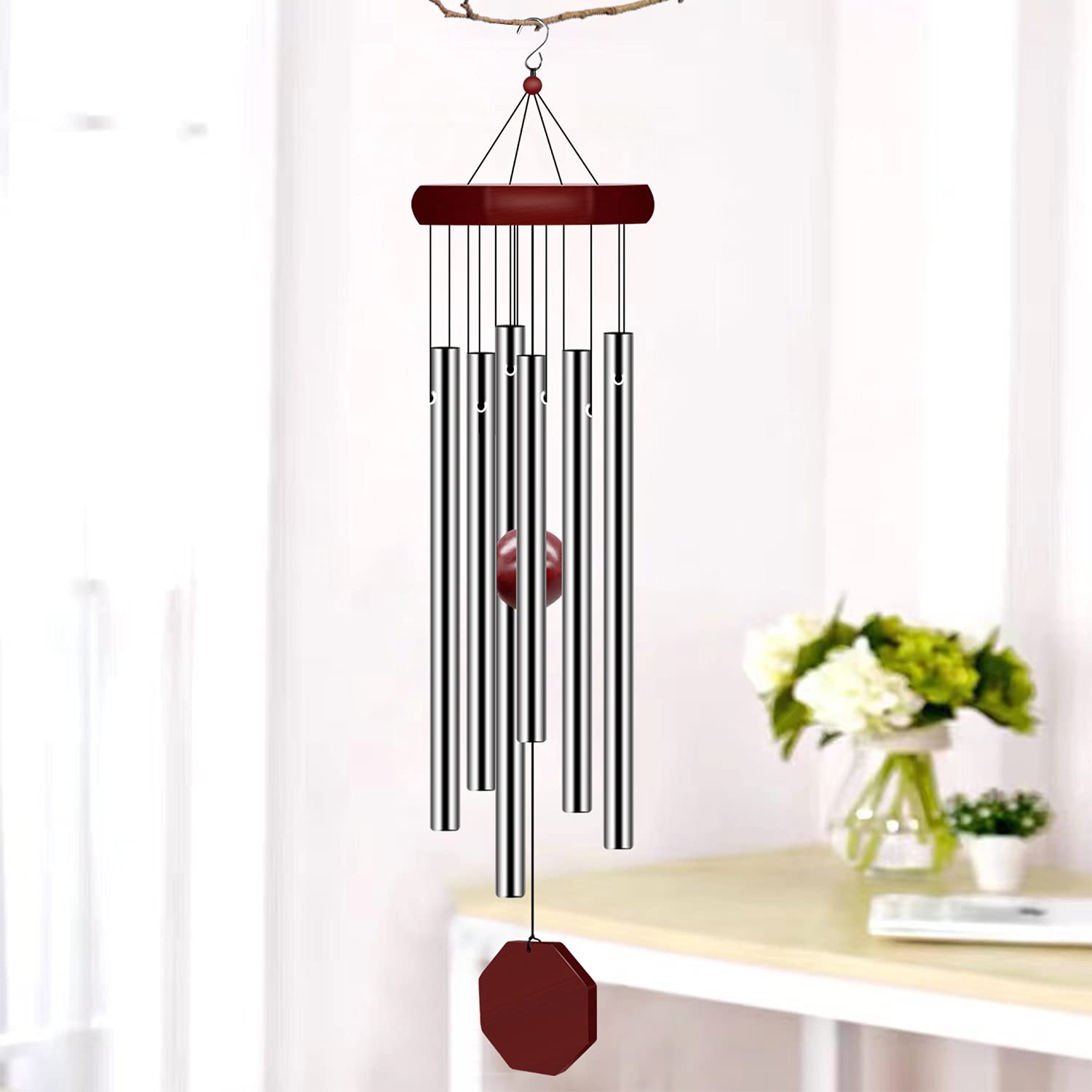
How to Match Wind Chime Sound to Your Outdoor Space [2026 Selection Guide]
Selecting the right wind chime involves more than picking a pretty design. The size of your outdoor area significantly impacts how sound behaves. In enclosed spaces, sound waves bounce off walls and surfaces, amplifying and sometimes muddying the tone. In open areas, sound dissipates quickly, requiring larger chimes to be fully appreciated.
For compact spaces like balconies or small patios, the Havasu 28-inch wind chimes are an excellent choice. Their E Major tuning is bright enough to cut through urban background noise without becoming intrusive. Conversely, the Havasu 38-inch or Kindness 41-inch models provide the projection needed to fill a backyard or garden with sound.
Placement is equally critical. You can use wind chime placement strategies to maximize airflow and sound quality. Hanging chimes at the edge of a porchwhere wind channels naturally results in more frequent activation.
| Space Type | Recommended Size | Tonal Character |
|---|---|---|
| Apartment Balcony | 28-inch | Bright, compact, E Major pentatonic |
| Small Patio | 28-30 inch | Clear alto, moderate sustain |
| Covered Porch | 34-38 inch | Deep tenor/bass, resonant |
| Open Garden | 38-41 inch | Full bass, long sustain, high projection |
| Memorial Setting | 38-41 inch | Solemn, deep, long decay for reflection |
Number of Tubes and Chord Complexity: Six Tubes vs Eight Tubes
The number of tubes on a wind chime changes its harmonic vocabulary. Hand-tuned wind chimes with six tubes, like the Havasu series, offer a focused selection of notes. This simplicity creates pure intervals a root note, a fifth, an octave which are the most stable and pleasing chords in music. The result is clean, uncluttered sound.
Eight-tube chimes, such as the Kindness eight-tube wind chimes, introduce additional notes from the scale. This allows for more complex chord structures when multiple tubes are struck simultaneously. The sound is richer and fuller, with more harmonic overtones filling the sonic space.
A listener seeking minimalist, meditative sound may prefer the six-tube purity. Those wanting a more immersive "wall of sound" experience might gravitate toward the eight-tube complexity. Neither is better; they simply serve different aesthetic preferences.
- Six Tubes: Clean, pure intervals; notes are easily distinguishable.
- Harmonic Simplicity: Fewer notes reduce the chance of muddied overtones.
- Eight Tubes: Richer chord clusters; deeper harmonic texture.
- Complex Overtones: Fills larger spaces more completely.
Clapper Design and Wind Sail Shape Influence Frequency of Sound [Study]
Beyond tubes and tuning, the components that initiate the sound significantly affect performance. The clapper (or striker) is the piece that hits the tubes. Its weight, material, and position determine how hard the tubes are struck and which part of the tube makes contact.
Some models, like the Havasu 38-inch, feature adjustable clappers. This allows the owner to move the striker closer to or further from the tubes, effectively changing how often the chime sounds and how forcefully it plays. A lower clapper setting requires stronger wind to activate, preventing constant clatter in breezy areas.
The wind sail the piece hanging below the tubes catches the air. Teardrop-shaped sails, like those on the Wailua 29-inch, offer balanced resistance. They catch wind currents efficiently without spinning wildly. Flat sails might move too much in high winds, causing repetitive, annoying strikes. Proper hanging location for optimal sound ensures these components work together effectively.
Wind chime placement should consider both sound output and visual appeal. A balanced design ensures the chime remains a decorative element even when the air is still.
Key Takeaways: Selecting Wind Chimes for Sound Quality
Finding the right wind chime is a personal journey that balances acoustics, aesthetics, and environment. By focusing on the elements that create peaceful wind chime music, you can select an instrument that brings genuine tranquility to your space.
- Prioritize Aluminum: 6063 alloy provides the best sustain and clarity for musical tones.
- Choose Pentatonic: Five-note scales guarantee harmonious sound in any wind condition.
- Match Length to Space: Use 28-inch for balconies, 38+ inches for gardens.
- Consider Tube Count: Six tubes for simplicity; eight tubes for harmonic richness.
- Check Adjustability: Features like adjustable clappers allow customization of sound frequency.
- Listen Before Buying: Audio samples reveal the true character better than specs alone.
To experience these qualities firsthand, you can explore UpBlend Outdoors wind chimes and find the specific model that matches your acoustic preferences.
Frequently Asked Questions About Soothing Wind Chime Sounds
Choosing a wind chime involves understanding how design choices translate to auditory experience. These answers address common questions about tuning, materials, and sound projection.
What is the most relaxing wind chime sound?
Aluminum tube chimes tuned to a major pentatonic scale. These chimes produce melodic wind chime tones with long sustain and notes that harmonize naturally, avoiding the dissonance found in random-tuned chimes. Pentatonic tuning ensures a pleasant sound regardless of wind direction.
Do longer wind chimes sound better?
"Better" depends on personal preference and space size. Longer tubes produce deeper frequencies (under 200 Hz), creating a calmer, more grounding effect. Shorter tubes offer brighter tones better suited for smaller spaces where bass frequencies may feel overwhelming.
Why do some wind chimes sound discordant?
Poor tuning or non-musical materials cause discordance. Chimes not tuned to a specific scale can produce clashing semitones. Metal pipes not cut to precise lengths create inconsistent frequencies that do not align musically, resulting in a jarring rather than harmonious sound.
How far away can you hear wind chimes?
High-quality aluminum chimes can project sound 50-100 feet. Larger deep tone wind chimes (38+ inches) carry further due to lower frequencies traveling through air more efficiently. Obstacles like walls and foliage will dampen sound projection significantly.
Are bamboo or metal wind chimes more soothing?
Metal (aluminum) chimes are generally more soothing for musical sound. Bamboo produces a hollow, percussive tone without sustain, suited for specific natural aesthetic preferences. Aluminum offers musical notes and resonance that create a relaxing backdrop. You can find more wind chime guides comparing material types.
Does the number of tubes affect the volume?
Tube count affects harmonic complexity more than volume. Volume is determined by material thickness and wind strength. However, more tubes create a fuller sound that can be perceived as louder due to the increased harmonic content filling the frequency spectrum.


