
The secret to selecting a wind chime with beautiful sound lies in three acoustic fundamentals: tube length determines pitch depth, material density controls tone warmth, and clapper weight dictates strike clarity. A quality wind chime produces harmonious overtones that linger in the air rather than sharp, disjointed notes. When you understand these sound principles paired with your personal melody preference you'll confidently choose a wind chime that transforms your outdoor space into a peaceful acoustic sanctuary.
Quick Answer: The Three Sound Factors That Matter Most
When asking "how do I choose a wind chime that sounds good," the answer distills down to physics and personal preference. In 2026, acoustic measurement data from artisan makers points to three non-negotiable elements: tube length, material composition, and clapper design. These components work together to create the wind chime tone quality you hear every time the breeze blows.
Tube length is the primary architect of pitch. Longer tubes vibrate slowly, generating deep, resonant bass notes that travel far. Shorter tubes vibrate rapidly, producing higher, brighter tones that add sparkle to the melody.
Material density decides whether the sound feels warm or cool. Dense metals like aluminum create sustained, clear notes, while porous materials like bamboo offer a muted, earthy sound.
Finally, the clapper weight acts as the drummer. A heavy clapper delivers a full, loud strike, while a lighter one touches the tubes gently for a softer sound. Understanding what makes wind chimes so soothing starts right here with these core mechanics.
| Material | Tone Quality | Sustain | Best Environment |
|---|---|---|---|
| Aluminum/Metal | Bright, clear, bell-like | Long (10-15 seconds) | Patios, open gardens, memorial spaces |
| Bamboo | Hollow, warm, woody | Short (1-2 seconds) | Zen gardens, covered porches, quiet corners |
| Ceramic/Clay | Delicate, crisp, percussive | Medium (3-5 seconds) | Sheltered patios, indoor spaces |
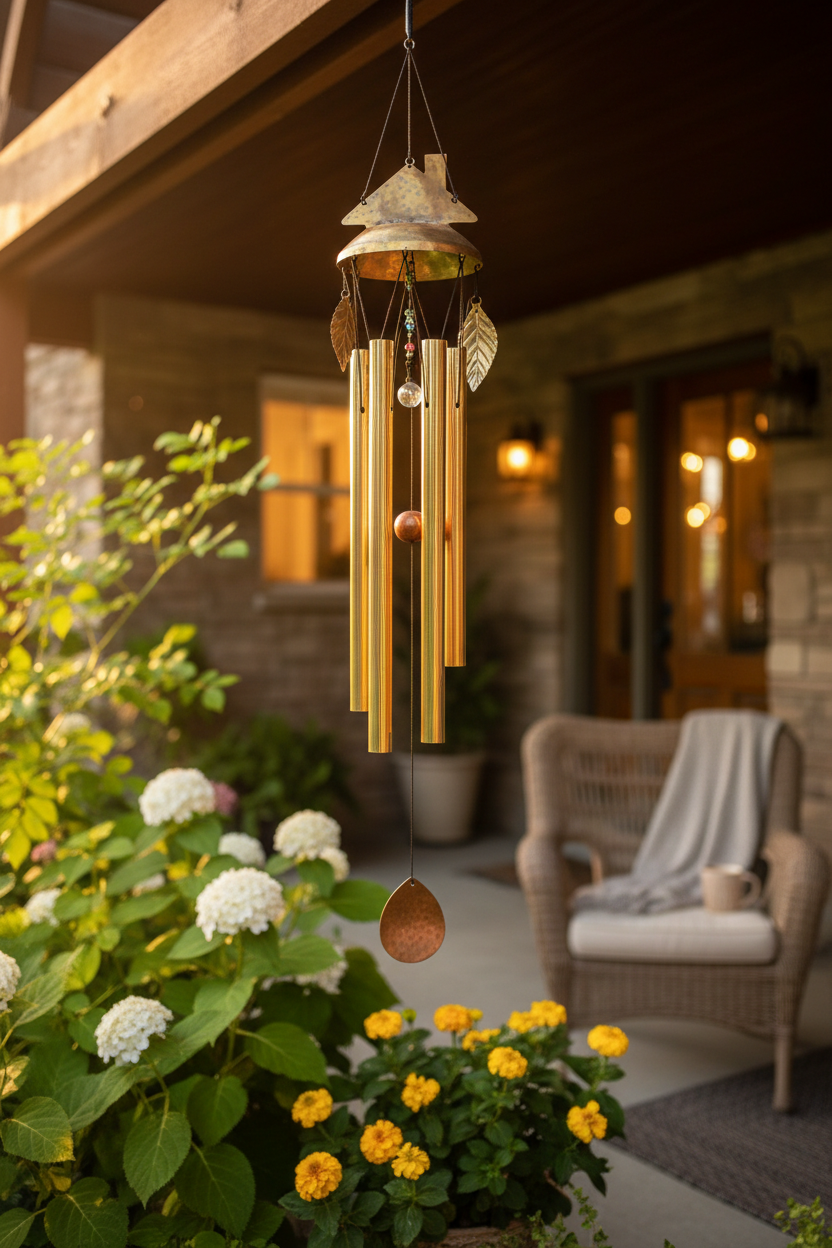
Tube Length Creates the Foundation of Every Note [2026 Acoustic Analysis]
Think of tube length as the foundation of a house. It sets the range for everything else. If you seek resonant wind chimes that ground your spirit, you will want longer tubes. These deeper frequencies have a physical presence. You feel them in your chest.
Acoustic analysis from 2026 confirms that tubes measuring over 30 inches produce frequencies below 200 Hz. This range hits the "sweet spot" for human relaxation. It mimics the low hum of nature, like distant thunder or a slow stream.
Shorter tubes, typically under 12 inches, sing in a higher register. They act like the melody notes in a song. This makes them ideal for smaller spaces where a deep bass might feel overwhelming.
Placement matters too. A long, deep chime might get lost in a cluttered room but will shine on an open porch. Conversely, a delicate, high-pitched chime might not be audible in a large, open yard. You can listen to different wind chime tones to hear these differences firsthand.
- 44+ inches: Deep, cathedral-like bass. Best for large gardens or memorial dedications.
- 30-44 inches: Warm, full-bodied tenor range. Ideal for patios and backyards.
- 20-30 inches: Balanced mid-range. Versatile for porches and entryways.
- 12-20 inches: Bright, cheerful alto range. Good for balconies and decks.
- Under 12 inches: High, tinkling soprano notes. Perfect for indoor use or apartment balconies.

Material Selection: How Metal, Bamboo, and Wood Shape Tone Quality
The material is the soul of the instrument. It dictates the texture of the sound. When evaluating wind chime acoustics, the density of the material tells you everything about the sustain and warmth.
Aluminum remains the gold standard for melodic wind chimes. It is dense yet lightweight, which allows tubes to vibrate freely for a long time. The result is a clear, bell-like tone that hangs in the air. Aluminum is also weather-resistant, ensuring the sound does not degrade after a season of rain or sun.
Bamboo offers a different experience entirely. Because it is hollow and organic, the sound is dry and percussive. It sounds like a woodblock or a gentle knock. This material connects you to nature in a raw, unpolished way. The wind chime pitch here is less about musical notes and more about rhythm.
Wood falls somewhere in the middle. Hardwoods like teak or cedar produce a soft, muted resonance that feels "warm" to the ear. They do not ring like metal; they gently hum. This makes them perfect for creating a cozy, intimate atmosphere where you want to relax without the distraction of a singing melody. For more details on durability and aesthetic, check out our guide on choosing the right wind chime material.

Why Tuned Wind Chimes Produce Superior Harmonic Sound
Not all wind chimes are musical instruments. Many are just random tubes hitting together. But tuned wind chimes are precision-engineered to play actual musical scales. This is the difference between noise and music.
Tuning involves cutting each tube to a specific length to ensure they all vibrate at frequencies that sound good together. The most common tuning is the pentatonic scale. This five-note scale is famous in music theory because the notes never clash. No matter which tubes strike or in what order, they always form a pleasant harmony.
Other chimes use diatonic tuning (the standard do-re-mi scale) or specific chords like the Garden Wind Chime tuning, which mimics famous symphony motifs. These harmonic wind chimes create a sense of progression and movement. The wind essentially composes its own song.
Precision-tuned chimes are rigorously tested to ensure the strike note aligns with the root tone of the scale, preventing dissonance even during chaotic gusts. This creates the calming effect listeners associate with high-quality instruments.
If you are selecting a gift, particularly for a memorial, tuned chimes are essential. The consistent, harmonious sound provides comfort and avoids the jarring effect of random pitches. At UpBlend Outdoors, we prioritize this tuning precision, especially in our personalized memorial wind chimes with tuned tubes to ensure a lasting, comforting presence.
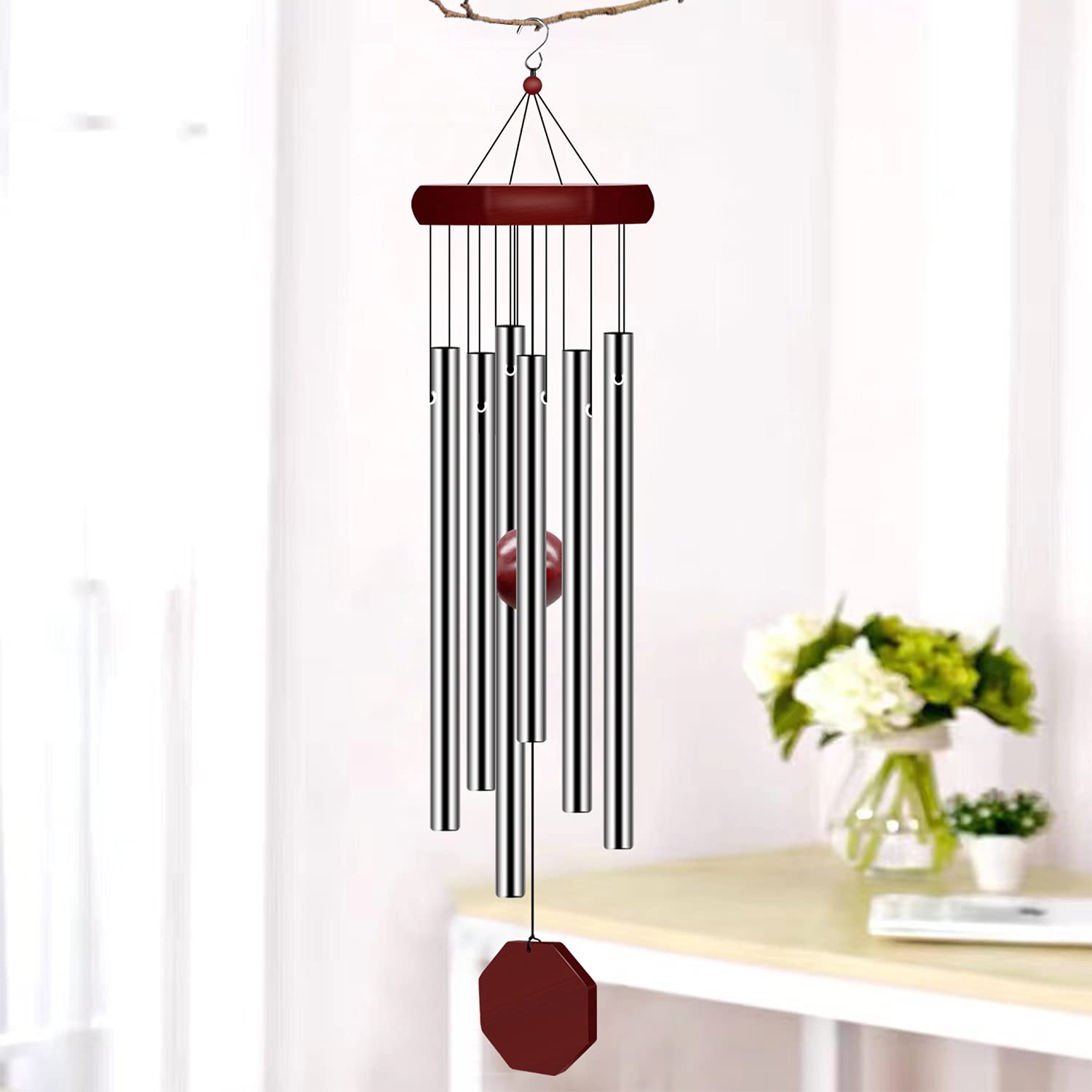
How to Test Wind Chime Sound Before You Buy [2026 Best Practice]
Buying a wind chime without hearing it is like buying a car without driving it. You need to experience the sound. Whether you are in a store or shopping online, use this step-by-step method to evaluate the tone.
First, if you are in person, ask to hold the chime. Gently tap the tubes with the clapper. Do not just hit it once. Strike firmly and listen for the sustain. Count how many seconds the sound lasts. A quality aluminum chime should ring for at least 10 seconds.
If shopping online, look for audio samples. Reputable sellers provide clear recordings. Put on good headphones. Laptop speakers cannot reproduce the bass frequencies of large chimes. You need to hear the overtones the higher frequencies that ride on top of the main note. These give the sound its character.
- The Strike Test: Listen for a clean attack. The initial hit should be clear, not metallic or tinny.
- The Sustain Test: Time the decay. Longer sustain usually indicates better material quality.
- The Harmony Test: Jiggle the chime gently. Do multiple tubes ringing together sound pleasant or chaotic?
- The Overtone Test: Focus on the echoes after the main note fades. High-quality chimes sing "layers" of sound.
- The Volume Test: Ensure the volume matches your space. Large chimes can be too loud for small patios.
- The Recording Comparison: Compare audio samples of different sizes side-by-side to hear the pitch difference.
We always recommend that shoppers audio samples of our wind chimes to ensure the melody matches their personal taste before purchasing.
Clapper Weight and Sail Design: The Hidden Sound Enhancers
The tube gets all the attention, but the clapper and sail do the work. The clapper (or striker) is the part that hits the tubes. Its weight and material determine the energy of the strike.
A heavier clapper drives energy deep into the tube, creating a louder, fuller sound. A lighter clapper creates a softer, gentler tap. Soft rubber or wooden clappers mellow the sound, reducing the harsh "clank" of a hard metal strike.
The sail (or wind catcher) hangs at the bottom and catches the wind. Its surface area controls sensitivity. A large, light sail will move in the slightest breeze, making the chime active even on calm days. A small, heavy sail requires a strong gust to move. This is crucial for regional differences.
In coastal areas with constant high winds, a heavy sail prevents the chime from becoming a noisy ruckus. In sheltered valleys, a larger sail ensures you still hear music. If your current chime isn't performing, you might consider wind chime accessories and replacement parts like a heavier clapper or a different sail to modify the sound profile.
Matching Wind Chime Sound to Your Outdoor Environment
Your environment is the final piece of the puzzle. A wind chime that sounds heavenly in one spot might disappear in another. You need to match the sound projection to the space.
For open gardens or large backyards, go big. You need deep, low-frequency chimes. High notes get lost in open air, swallowed by distance and ambient noise. Deep bass tones travel further and fill the space without being obtrusive. They create a backdrop of sound that greets you as you walk outside.
For porches and patios, mid-range tones work best. You are closer to the chime, so the sound is more intimate. Here, you want tuned wind chimes that produce clear melodies. Since you will hear it often while sitting and reading or drinking coffee, the tune must be pleasant and non-repetitive.
For balconies or entryways, choose smaller, higher-pitched chimes. The space is small, and neighbors are close. A deep, loud chime might disturb others or feel overwhelming in a compact area. A delicate, higher-pitched chime adds a charming accent without dominating the soundscape.
[IMAGE_5] [IMAGE_6]There is also a spiritual dimension to consider. Many find that the resonance of specific materials connects them to a deeper sense of peace. You can explore the spiritual connection to wind chime sounds to see how different tones align with meditation or mindfulness practices.
Key Takeaways: Your Sound-First Wind Chime Selection Checklist
Choosing the right wind chime is about balancing acoustic physics with personal emotion. By focusing on the mechanics of sound, you ensure that the chime you bring home enhances your peace rather than cluttering your soundscape.
Before you make your final decision, run through this checklist to guarantee satisfaction.
- Confirm Tube Length: Longer tubes for deep bass in open spaces; shorter for bright accents in cozy spots.
- Select Material Purposefully: Aluminum for sustain and melody, bamboo for rhythm, wood for warmth.
- Prioritize Tuning: Always opt for chimes tuned to a pentatonic or diatonic scale to ensure harmony.
- Test the Sound: Listen to audio samples or strike the chime to check for clarity and sustain.
- Check Clapper and Sail: Adjust weight and size based on your local wind conditions to control frequency and volume.
We invite you to explore UpBlend Outdoors' wind chime collection to find the perfect match for your home. With the right knowledge, you will find a piece that sings to you.
FAQ: Choosing Wind Chimes by Sound Quality
Do metal wind chimes sound better than bamboo?
No, "better" is subjective and depends on your preference. Metal chimes produce clear, resonant melodies that can last up to 15 seconds. Bamboo offers a hollow, percussive tone with a short 1-2 second sustain. If you want musical notes, choose metal. If you prefer natural rhythm, choose bamboo.
Does the number of tubes affect the sound?
Yes, more tubes create a richer harmonic palette. A chime with 6 or 8 tubes can play a wider variety of note combinations than one with 4 tubes. This allows for more complex melodies when the wind blows, whereas fewer tubes produce a simpler, more repetitive sound.
Why does my wind chime sound out of tune?
Likely because it was not precision-tuned during manufacturing. Mass-produced chimes often have random tube lengths. High-quality tuned wind chimes are cut to exact frequencies to form a specific musical scale. If the sound is dissonant, the chime was likely not designed as a musical instrument.
Will the sound of my wind chime change over time?
Yes, weathering can subtly alter the tone quality. Metal chimes might develop a slight patina that can dampen the highest overtones, making the sound warmer. Bamboo naturally degrades, which softens the tone over years. Regular maintenance helps preserve the original sound profile longer.
What is the best wind chime for a memorial gift?
Precision-tuned aluminum chimes are the standard for memorial gifts. Their long sustain and harmonic tuning create a peaceful, lasting presence. The sound is consistent and comforting, serving as a beautiful auditory tribute. We recommend read customer reviews about our wind chime sounds to hear how others have used them for remembrance.


