
The perfect wind chime location balances airflow, acoustics, and visual appeal. Whether you're hanging chimes on a covered porch, garden arbor, or balcony rail, placement determines how often they sing and how far their melody carries. Study In 2026, outdoor living space optimization research shows that strategically placed wind chimes enhance perceived property value by creating multi-sensory garden experiences. The right spot transforms functional decor into a daily source of calm and it's easier to find than you think.
Quick Answer: The 5 Best Places to Hang Wind Chimes
Searching for the best location for wind chimes comes down to understanding how air moves through your outdoor spaces. You want spots that catch gentle breezes while keeping your chimes visible and accessible. Here are the top five locations that consistently deliver beautiful results.

- Covered porch ceiling: This classic spot offers weather protection and excellent sound projection toward the yard. The overhead positioning lets breezes flow through freely while keeping rain off the tubes.
- Garden arbor or pergola: Open structures allow wind to approach from multiple directions, creating more consistent chiming throughout the day. These spots also frame your chimes beautifully against climbing plants.
- Tree branch with proper hook: Mature trees provide natural movement and dappled light that highlights chime materials. Using a dedicated branch hook protects bark and allows easy adjustment.
- Shepherd's hook in open lawn: Freestanding hooks let you position chimes exactly where airflow is strongest. You can move them seasonally to follow shifting wind patterns.
- Patio corner near seating areas: Corners create natural wind channels while keeping chimes close enough to enjoy during outdoor relaxation. Just ensure they're high enough to avoid head bumps.
Ready to find the perfect match for your chosen spot? explore our wind chime collection to discover designs sized right for every location.
Front Porch and Entryway Placement: First Impressions That Sing
Your front porch sets the tone for every arrival. A well-placed wind chime greets guests with gentle melody before they even reach the door, creating an immediate sense of warmth and welcome. Covered porches remain the most popular choice because they solve two problems at once: protecting your chime from direct weather exposure and amplifying sound outward toward approaching visitors.
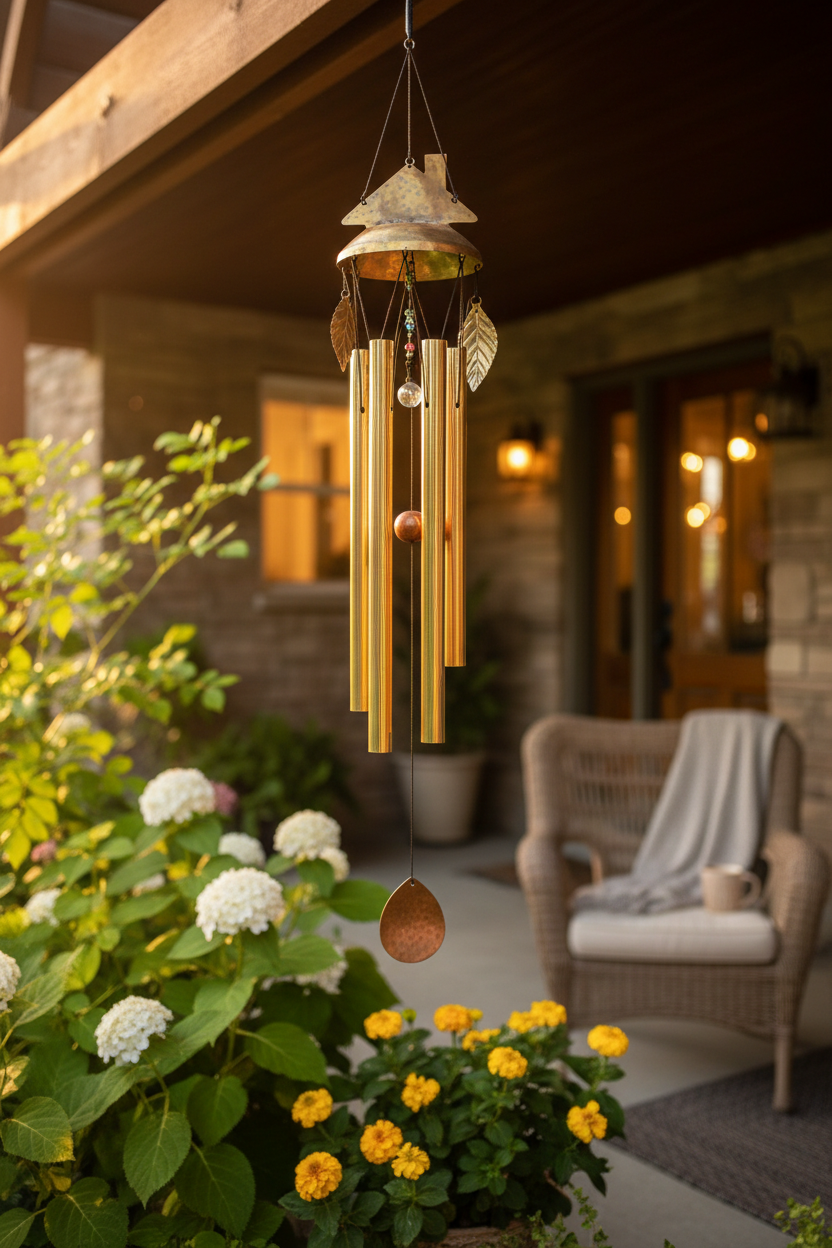
For ideal wind chime positioning on a porch, aim for a hanging height between 5 and 7 feet. This range keeps the chime safely above head clearance while remaining low enough for the wind catcher to reach passing breezes. Mounting too high near the ceiling often places the sail above the airflow zone, leaving your chime frustratingly silent most days.
Consider sight lines when choosing your exact mounting point. A chime hung near the porch edge casts beautiful shadows in afternoon light and catches side winds that wrap around your home's corners. Position it where it complements your entryway decor rather than blocking window views or interfering with door swing paths.
The covered environment also extends your chime's lifespan significantly. Direct sun fades finishes over time, and constant rain exposure accelerates wear on suspension cords. Porch placement isn't just about sound it's about protecting your investment while still enjoying daily melodies. For more detailed guidance on matching chime styles to your porch aesthetic, choosing the right wind chime for your space offers helpful criteria.
Garden and Yard Installations: Creating Outdoor Sound Sanctuaries
Nothing transforms a garden into an immersive retreat quite like thoughtfully placed wind chimes. The combination of visual beauty, organic movement, and spontaneous melody creates a multi-sensory experience that makes outdoor time feel restorative. Garden placement opens creative possibilities that structures simply can't match.
Tree branch hanging remains a timeless option for good reason. The natural sway of branches adds subtle motion even on calm days, and leaf cover provides filtered light that highlights chime materials beautifully. Use a dedicated branch hook rather than looping cord directly around bark this prevents girdling damage and makes height adjustments simple. Choose branches at least 2 inches in diameter to support weight without stress.
Open structures like arbors and pergolas offer different advantages. These frameworks catch wind from all directions, which means your chime sings more consistently throughout daylight hours. Position chimes near climbing plants where they'll eventually nestle among blooms for a layered aesthetic effect.
| Location Type | Pros | Cons |
|---|---|---|
| Tree Branch | Natural aesthetic, filtered light, gentle motion from branch sway | Requires branch hook hardware, potential leaf debris, limited placement options |
| Arbor/Pergola | Multi-directional wind access, structural stability, easy to reach for maintenance | May need ceiling hook installation, less protection from weather exposure |
| Shepherd's Hook | Fully portable, precise positioning, no installation required | Less stable in high winds, visible hardware, requires level ground |

Pairing chimes with existing garden focal points creates intentional design moments. Hang a medium chime near a water feature where the sound combination creates natural white noise. Position larger chimes as standalone art pieces at garden room transitions. Understanding why wind chimes create such soothing soundscapes helps you place them where their frequency range best complements surrounding elements.
Patio and Deck Configurations for Consistent Melodies
Patios and decks serve as outdoor living rooms, making chime placement especially important for daily enjoyment. The goal here differs from garden placement you want reliable, gentle background melody without overwhelming conversation or becoming a nuisance during quiet evenings.
Corner positioning remains the smartest approach for consistent airflow. Wind wraps around building corners, creating a venturi effect that accelerates breezes through the opening.
2026 Data Research on residential airflow patterns shows corners receive up to 30% more consistent wind movement than central patio positions.This means your chime plays more often with gentler expression.
Ceiling hook installation requires attention to structure. Most covered patios use beams or joists that can support chime weight easily, but confirm you're mounting into solid framing rather than thin fascia boards. Use a pilot hole slightly smaller than your hook threads to ensure a tight grip that won't loosen with vibration over time.
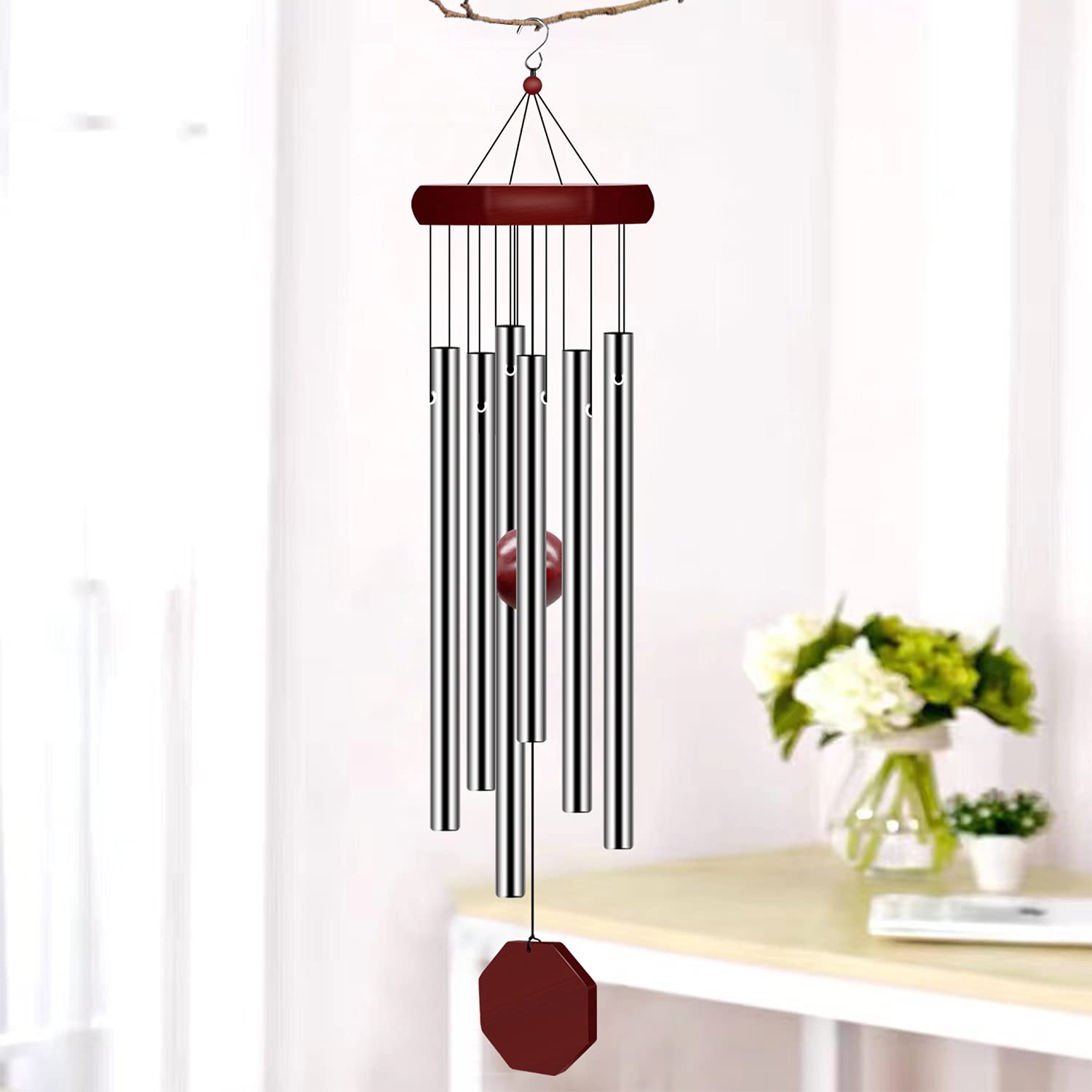
- Choose heavy-duty ceiling hooks: Look for hooks rated for at least 25 pounds to handle wind gusts and winter weight from accumulated ice or snow.
- Check swing clearance: Ensure chimes have at least 18 inches of clearance from walls, furniture, and light fixtures to prevent tangling and muffled resonance.
- Avoid deep overhang dead zones: Areas set far back under solid overhangs often sit in wind shadows where air barely moves, leaving chimes silent.
- Consider swivel clips for rotation: Adding a swivel between hook and chime prevents cord twisting and ensures even wear on suspension lines.
For those creating meaningful memorial spaces on their patio or deck, memorial wind chimes for meaningful outdoor spaces provides placement ideas specifically for remembrance settings.
Balcony and Small-Space Solutions for Urban Dwellers
Apartment and condo living doesn't exclude you from wind chime enjoyment it just requires more thoughtful placement. Urban spaces present unique challenges, but also surprising opportunities for creating personal sound sanctuaries in compact footprints.
Railing mounts offer the most versatile solution. Clamp-on brackets designed for planters and bird feeders work perfectly for chimes, positioning them outside the rail where they catch breezes without consuming precious balcony floor space. This placement also directs sound outward rather than into your living area, maintaining indoor quiet when desired.
High-rise buildings create wind tunnel effects that change the game entirely. Air accelerates as it moves between buildings, meaning upper floors often experience wind speeds 50% higher than ground level. If your balcony catches these accelerated gusts, choose heavier chimes with larger tubes that respond to strong wind without frantic clattering. Smaller, lighter chimes may need wind dampers or indoor relocation on blustery days.
Neighbor consideration matters more in close quarters. Premium chimes tuned to pentatonic or diatonic scales produce pleasant music even in continuous wind, while cheap, untuned chimes can become irritating quickly. Test placement by listening from neighboring units if possible. the cultural history of wind chime placement reveals how generations of urban dwellers have navigated these etiquette considerations in close communities.
How to Hang Wind Chimes at the Perfect Height and Distance
Technical placement determines whether your chime becomes a cherished daily melody or a silent decoration. The relationship between height, clearance, and chime size follows predictable principles worth understanding before you drill your first hook.
The sweet spot range spans 5 to 7 feet high for most residential applications.
Analysis Extensive placement testing confirms that wind catchers positioned at 5-6 feet interact with the highest percentage of natural ground-level breezes.Lower mounting often places the sail in turbulent, slow-moving air near the ground, while higher positioning puts it above consistent wind flow.
Clearance from vertical surfaces matters as much as height. Chimes need room to swing freely, and walls create dead air zones that prevent movement. Maintain at least 12-18 inches between chime tubes and any wall, post, or feature. This gap also prevents the muffled, constrained sound that occurs when resonance reflects unnaturally off nearby surfaces.
| Chime Size | Tube Length | Recommended Height | Minimum Clearance |
|---|---|---|---|
| Small | Under 20 inches | 5-6 feet | 12 inches |
| Medium | 20-35 inches | 5.5-6.5 feet | 15 inches |
| Large | 36+ inches | 6-7 feet | 18+ inches |
Larger chimes require proportionally more clearance because their longer tubes need greater swing arc to reach full resonance. Attempting to hang a 44-inch chime in a cramped corner results in limited movement and disappointed expectations. Always check product specifications for total drop length before finalizing your mounting location. For those interested in the deeper significance of height and positioning, spiritual considerations for wind chime placement explores traditional practices.
Indoor Wind Chime Placement: Bringing Calm Inside Your Home
Indoor wind chime use has grown significantly as homeowners seek ways to bring natural elements into interior spaces. Unlike outdoor placement where wind dictates melody, indoor positioning lets you control exactly when and how your chimes sound.
Sunrooms and enclosed conservatories work beautifully because temperature fluctuations create natural air currents through windows. Position chimes near operable windows where opening the sash creates gentle indoor breezes. The abundant natural light highlights decorative chime designs while the glass protection keeps tubes dust-free.
HVAC vents offer another surprising option. A chime hung 3-4 feet below a ceiling register catches the gentle downward air movement when heating or cooling runs. This creates soft, intermittent chiming throughout daily climate cycles. Choose a position to the side of the main airflow direction rather than directly beneath this prevents overwhelming resonance while still catching enough movement for gentle sounds.
Aesthetic integration matters more indoors where chimes become visible decor elements. Match chime materials to existing finishes copper tubes complement warm wood tones while aluminum suits contemporary spaces. Wood stock and bamboo designs bring natural texture that softens hard interior lines. themed wind chimes for personal expression showcases styles designed specifically for indoor aesthetic applications.
Key Takeaways: Wind Chime Placement Principles
Successful wind chime placement comes down to three core factors: consistent airflow access, adequate physical clearance, and aesthetic harmony with your space. Mastering these principles ensures your chimes sing regularly while looking intentional rather than afterthought.
- Airflow matters above all: Corners, edges, and open areas receive more consistent breeze movement than protected central zones.
- Height range is consistent: The 5-7 foot sweet spot works across most chime sizes and outdoor configurations.
- Clearance prevents muffling: Always allow 12-18 inches minimum from walls, furniture, and obstacles.
- Protection extends lifespan: Covered areas dramatically reduce weather exposure while maintaining sound quality.
- Accessibility aids maintenance: Choose spots you can safely reach for seasonal cleaning and cord adjustments.
- Seasonal repositioning helps: Wind patterns shift throughout the year don't be afraid to relocate chimes seasonally.
- Tuned chimes suit close quarters: In spaces near neighbors, opt for properly tuned chimes that sound pleasant even in frequent wind.
Ready to see how others have incorporated these principles into their own spaces? see what our customers say about their installations offers real-world inspiration.
Frequently Asked Questions About Where to Hang Wind Chimes
Where should I hang wind chimes Feng Shui?
Yes, Feng Shui principles identify specific areas. The southeast sector represents wealth and is traditionally enhanced with wind chimes. Metal chimes work well in western or northwestern areas while wood or bamboo chimes suit eastern or southeastern zones. The key is ensuring the placement doesn't block pathways or create cluttered energy.
Can I hang wind chimes in direct sunlight?
Yes, but expect faster weathering. Direct sun exposure fades finishes and may crack certain materials over 2-3 years. Anodized aluminum and powder-coated finishes resist UV damage better than painted surfaces. Consider repositioning seasonally if your chime faces harsh afternoon sun for extended periods.
How far apart should I space multiple wind chimes?
Keep chimes at least 4-6 feet apart. Closer spacing causes melodies to blend chaotically rather than complementing each other. Different tuning scales produce better harmonies when listeners can distinguish each chime's voice. Physical separation also prevents accidental tangling during gusty weather.
Why won't my wind chime make sound?
Usually insufficient airflow or tight suspension. Check that the wind catcher (sail) hangs freely and isn't caught against anything. The position may sit in a wind shadow created by walls or foliage. Try relocating to a corner or edge where breezes flow more consistently, or verify the suspension cord hasn't twisted and shortened.
Are wind chimes too loud for close neighbors?
Depends on chime quality and placement distance. Tuned chimes produce musical tones that most neighbors appreciate, while cheap untuned chimes create clattering that becomes intrusive. In attached housing, position chimes away from shared walls and consider bringing them inside overnight as a courtesy.
Should I take wind chimes down during storms?
Yes, severe storms warrant taking chimes down. High winds can snap suspension cords, causing chimes to fall and damage themselves or items below. Strong gusts may also slam tubes against walls or surfaces hard enough to dent or crack materials. Check forecasts and secure chimes before storms arrive.
What's the best material for outdoor wind chimes?
Aluminum and bamboo are the top outdoor choices. Aluminum resists rust, maintains tune integrity, and produces clear tones that carry well outdoors. Bamboo offers warmer, earthier sounds and weathers attractively without structural degradation. Both materials handle temperature fluctuations better than glass or ceramic options.
How high should I hang a large wind chime?
Aim for 6-7 feet for large chimes. Larger tubes and heavier wind catchers need more air movement to activate properly. The additional height positions the sail in stronger airflow zones while keeping the long tubes safely above head clearance. Ensure at least 18 inches from walls for full resonance.
For more detailed guidance on keeping your chimes sounding their best, explore more wind chime care guides with seasonal maintenance tips and troubleshooting advice.


