
The ideal placement for wind chimes balances three elements: airflow exposure, acoustic resonance, and visual accessibility. Whether you're creating a peaceful garden sanctuary, honoring a memory on your porch, or adding melody to your patio, strategic positioning transforms functional decor into an immersive sensory experience. The right location amplifies natural tones while protecting your chimes from weather damage, ensuring years of soothing sound.
Quick Answer: Top 5 Wind Chime Placement Zones
Finding the perfect spot for your chimes doesn't have to be complicated. The best locations offer consistent gentle airflow, solid mounting points, and a position where you can actually enjoy the melody. If you're wondering where to put wind chimes for maximum impact, these five zones consistently deliver the best acoustic performance in moderate breeze conditions.
- Covered Porch Corners: These spots capture cross-breezes while staying protected from rain, making them ideal for long-term durability and consistent sound.
- Garden Pergola Beams: Open structures allow wind movement from multiple directions, creating varied tones throughout the day.
- Tree Branches (6-8 feet high): Natural placement that sways gently with wind, though you'll want to check branch health before hanging.
- Patio Overhangs: Near outdoor seating areas where you can appreciate the sound while dining or relaxing, positioned just above head height.
- balcony Railings: For urban spaces, secured railings can work well if you choose smaller chimes that won't overwhelm neighbors.
Each location offers different advantages depending on your climate and how often you want to hear your chimes. A quality set of wind chimes and accessories deserves thoughtful positioning that lets it sing beautifully for years.
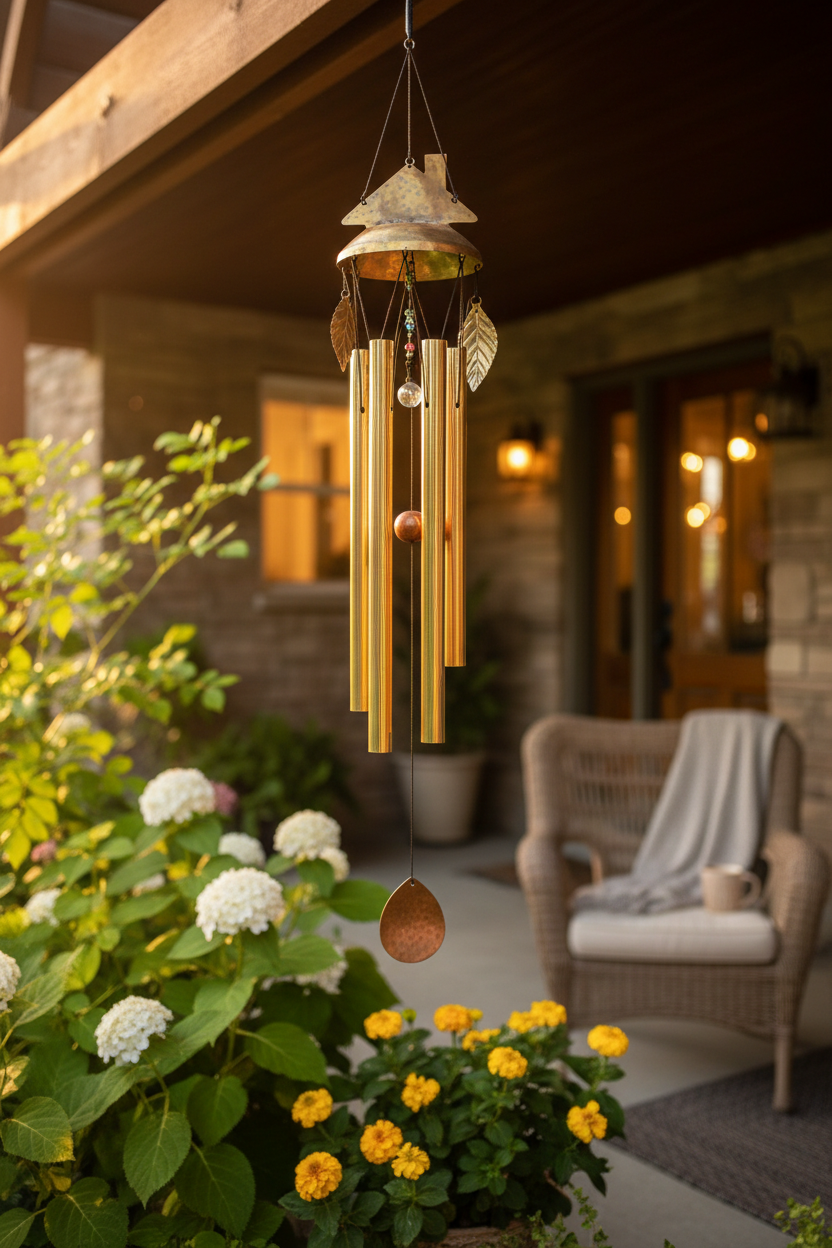
Porch and Patio Placement: Controlling Sound Proximity
Porch and patio locations remain the most popular choices for wind chime placement, and for good reason. These areas sit close to where you actually spend time outdoors, meaning you'll hear those gentle tones regularly. But getting the placement right requires thinking about a few key factors: height, distance from seating, and whether the space is covered or exposed to the elements.
For optimal listening, hang your chimes about 6 to 8 feet above the ground. This height keeps them well above head level while allowing the sound to drift down naturally. If you hang them too low, the sound becomes overpowering when you're sitting nearby. Too high, and you'll lose the subtle tonal variations that make each chime unique.
Distance from your seating area matters just as much as height. A distance of about 8 to 10 feet creates a pleasant background melody rather than a constant distraction. You want the sound to drift in and out of your awareness, creating that peaceful atmosphere without interrupting conversation.
| Factor | Covered Porch | Open Patio |
|---|---|---|
| Wind Exposure | Moderate (sheltered from direct gusts) | High (full exposure to weather) |
| Sound Volume | Contained, resonant tones | Disperses widely, lighter sound |
| Weather Protection | Excellent (minimal rain/sun damage) | Limited (direct UV and moisture exposure) |
| Best Chime Material | Aluminum or bamboo (both work well) | Aluminum (better weather resistance) |
| Maintenance Frequency | Low (wipe down monthly) | Moderate (check bi-weekly for wear) |
Covered porches offer the best of both worlds. The roof protects your chimes from direct rain and harsh sun, extending their lifespan significantly. You can hang them from exposed beams or ceiling hooks, and they'll develop a lovely patina without suffering weather damage. Many people choose these sheltered spots for memorial wind chimes with deep tones, creating a lasting tribute that stays protected through seasons of changing weather.
Open patios require a bit more planning. Since your chimes will face full sun and rain, choose materials designed for outdoor durability. Aluminum tubes hold up beautifully, while certain wooden components may fade faster without regular care. If you love the look of natural materials, just plan to bring them inside during the harshest winter months.

Garden and Tree Positioning for Natural Harmony
Gardens and chimes share a natural connection. The organic setting complements both bamboo and metal designs, and the varied airflow through plants creates wonderful tonal variations. When considering garden wind chime placement, think about how the surrounding environment will interact with your chosen piece.
Tree branches make wonderful hanging spots, but choose carefully. Look for a healthy branch at least 2 to 3 inches in diameter anything smaller might sway too much or even break under the weight of larger chimes. The branch should be living and firm, not dead or brittle. Avoid branches that show signs of disease or splitting, as these could fail unexpectedly.
When hanging from trees, use a hook or loop rather than tying directly around the bark. This prevents damage to the tree and makes it easier to move your chimes when needed. A simple S-hook works beautifully for lighter chimes, while heavier pieces might need a sturdy screw-eye inserted into the branch.
Garden Bed Edges and Pathway Placement
Positioning chimes near garden beds adds an extra dimension to your outdoor space. The plants create windbreaks that moderate airflow, producing gentler, more varied tones than you'd hear in open areas. Place them near taller plants that sway in the breeze ornamental grasses work wonderfully for creating this filtered wind effect.
Pergolas and arbors offer another excellent option. These structures provide solid mounting points while keeping your chimes at the perfect height for listening. The open design allows wind from multiple directions, so you'll hear different tones depending on which way the breeze blows. This variation creates a more dynamic soundscape than you'd get from a single, sheltered location.
Bamboo and other natural materials particularly shine in garden settings. The earthy tones complement rustling leaves and birdsong, creating a cohesive sensory experience. choosing the right wind chime material for your specific garden environment ensures the best blend of durability and natural harmony.

Balcony Wind Chime Strategies [2026 Urban Living Data]
Apartment and condo living shouldn't stop you from enjoying wind chimes. But balconies present unique challenges that require thoughtful planning. Wind tunnel effects, limited space, and close neighbors all factor into successful balcony placement.
In multi-story buildings, wind speed often increases significantly at higher floors. What feels like a gentle breeze at ground level can become a strong gust on a tenth-floor balcony. This means your chimes might sound much louder than expected or tangle constantly in windy weather. Consider choosing smaller designs with shorter tubes for these exposed spaces.
Neighbor consideration matters more in balcony settings than anywhere else. Sound travels differently when everyone lives stacked together. A chime that sounds lovely to you might drive your neighbor crazy at 2 AM during a gusty night. Choose designs with softer tones, and consider bringing chimes inside during particularly windy periods.
Urban Placement Etiquette
- Choose smaller chimes (under 30 inches) for confined balcony spaces
- Test placement by listening from inside can you hear it with windows closed?
- Avoid hanging directly against shared walls where vibration might transfer
- Consider your neighbors' sleep schedules wind picks up at unexpected hours
- Use windbreaks like potted plants to moderate airflow and reduce volume
Balcony railings can work as mounting points, but make sure your hardware is secure. High winds place extra stress on these attachments, and you don't want your chimes falling onto a balcony below. For smaller spaces focused on peaceful ambiance, what makes wind chime sounds so soothing becomes particularly relevant choosing the right tonal quality makes all the difference in close quarters.

Indoor Wind Chime Placement: Entryways, Sunrooms, and High-Traffic Areas
Indoor wind chimes offer a different experience than outdoor placement. The controlled environment protects them completely from weather, but you'll need to think differently about airflow. Indoor chimes rely on natural drafts, HVAC vents, or ceiling fans to create movement so placement near these air sources becomes essential.
Entryways work wonderfully for indoor chimes. The opening and closing of doors creates natural airflow, while the transitional space sets a welcoming tone. A smaller chime near the front entrance greets visitors with gentle sound the moment they arrive. Just make sure it's positioned where it won't obstruct movement or catch on coats and bags.
Sunrooms and conservatories represent the ideal indoor location. These spaces capture natural light and often have cross-breeze potential through windows. The abundant light shows off your chime's visual beauty, while the window positioning creates airflow opportunities. Plus, these relaxing spaces complement the peaceful nature of most chime designs.
- Foyers: Capture door-opening drafts, welcoming guests with immediate melody
- Sunrooms: Natural light highlights visual appeal, cross-ventilation creates sound
- Near HVAC vents: Consistent airflow, but avoid direct positioning that causes constant noise
- Home offices: Subtle background sound promotes calm focus during work
High-traffic areas like hallways can work, but consider whether constant passage might cause unwanted movement. You want your chime to sound when breezes move it, not every time someone walks past. wind chimes and spiritual placement traditions often emphasize meaningful locations indoor placement near meditation spaces or reading nooks honors that intention beautifully.
How to Avoid Common Wind Chime Placement Mistakes
Even the most beautiful chime sounds terrible in the wrong spot. Understanding common placement mistakes helps you avoid disappointment and enjoy your investment for years.
Over-sheltered locations top the list of errors. Some people hang chimes deep under extended eaves or inside screened enclosures, hoping to protect them. But without adequate airflow, your chime becomes a visual decoration rather than a musical instrument. The sail needs wind movement to activate the tubes stagnant air means silence.
The opposite problem causes equal frustration. High-wind zones like exposed hilltops or narrow passages between buildings can turn a gentle chime into a chaotic noisemaker. When wind speeds exceed 15-20 mph consistently, even well-made chimes tangle, bang loudly, or suffer premature wear. Look for locations with moderate, consistent airflow rather than extreme gusts.
Hardware choices matter more than most people realize. Cheap hooks bend under weight, thin wire cuts into hanging loops, and inadequate mounting puts your chime at risk during storms. Invest in proper hanging hardware rated for your chime's weight. wind chime care and maintenance guides emphasize that secure mounting prevents both immediate damage and gradual wear.
Step-by-Step Placement Check
- Wait for a breezy day and hold your chime in potential spots before mounting
- Listen to the volume from various distances can you hear it inside?
- Check that the location allows your sail to move freely without hitting walls
- Verify your mounting point can support twice the chime's weight for safety
- Watch how the tube ends hang they shouldn't touch nearby surfaces
- Consider seasonal changes will winter winds create problems?
- Ask household members if the volume feels appropriate from their perspective
Proper hardware and thoughtful positioning prevent most problems before they start. Taking time with initial placement saves frustration and keeps your chimes singing beautifully.
Feng Shui and Directional Placement Principles [Study]
Wind chimes have carried symbolic meaning across cultures for thousands of years. While modern placement focuses primarily on sound and aesthetics, many people appreciate understanding traditional positioning beliefs that connect to harmony and energy flow.
In feng shui practice, wind chimes serve multiple purposes depending on their placement. Metal chimes in the west or northwest areas of a property traditionally connect to creativity and helpful people. Bamboo chimes in the east or southeast relate to growth and family harmony. These directional associations stem from the five elements theory, where materials and directions interact to influence energy.
According to feng shui practitioners, wind chimes placed near entrance points help redirect energy flow, preventing harsh chi from entering too quickly while inviting positive opportunities. The sound itself represents movement of stagnant energy.
Memorial and remembrance intentions often align beautifully with these traditional principles. the historical significance of wind chime placement reveals how cultures worldwide positioned chimes to honor loved ones, mark significant passages, and create sacred spaces. The intentional act of choosing a meaningful location whether based on tradition or personal significance adds depth to your chime's presence.
You don't need to follow feng shui strictly to benefit from thoughtful placement. The underlying principle remains valuable: consider how energy moves through your space, and position your chime where it enhances rather than disrupts the flow. Whether that means catching morning breezes or marking a path through your garden, intentional placement deepens your connection to the sound.
Key Takeaways: Optimizing Your Wind Chime Experience
Strategic placement transforms a simple purchase into years of melodic enjoyment. The principles we've covered apply whether you're hanging your first chime or repositioning a collection you've accumulated over time. Here's what matters most.
- Balance airflow protection: Choose spots with consistent moderate breeze but adequate shelter from harsh weather.
- Maintain proper height and distance: Six to eight feet high, roughly eight feet from seating creates ideal listening volume.
- Match materials to location: Weather-resistant aluminum for exposed patios, natural bamboo for sheltered garden spots.
- Consider your neighbors: In close quarters, smaller chimes and thoughtful positioning maintain harmony beyond your property.
- Use proper hardware: Secure mounting rated for your chime's weight prevents damage and ensures consistent sound.
These principles guide every UpBlend Outdoors wind chime collection design, because the best chime in the wrong spot disappoints. Taking time to find the right location honors both the craftsmanship behind your chime and the peaceful moments you want to create.
FAQ: Where to Put Wind Chimes
How high should I hang my wind chimes?
Six to eight feet works best for most residential settings. At this height, the sound carries downward into your seating area without becoming overwhelming. Hanging higher than 10 feet diminishes volume and clarity, while lower placements create harsh, close-range ringing. The sweet spot lets wind reach the sail easily while keeping tubes visible and accessible for occasional cleaning.
Can wind chimes be too windy for certain locations?
Yes, extremely windy spots can damage chimes and create noise issues. Sustained winds over 20 mph cause tubes to tangle, strike violently, and wear prematurely. If your chosen location experiences strong channeling winds between buildings or regular gusts from open exposure, consider relocating to a more moderate spot. The ideal placement catches gentle breezes rather than full gales.
Where should I place wind chimes so neighbors aren't disturbed?
Position chimes away from shared walls and choose softer-toned designs. Sound travels surprisingly far at night when background noise drops. Testing placement by listening from your property line helps gauge if the volume reaches neighboring homes. In close quarters, smaller chimes with deeper tones often bother people less than larger, higher-pitched designs. Always consider bringing chimes inside during forecast high-wind events.
Do wind chimes need direct wind exposure?
Indirect or filtered wind often produces better, more varied tones than direct exposure. Gentle, shifting breezes create melodic variation, while constant direct wind can cause repetitive striking that some find irritating. Areas where wind filters through plants or around corners typically sound more musical than spots facing wide-open exposure. Think moderate, variable airflow rather than wind tunnel conditions.
Can I leave wind chimes out year-round?
It depends on your climate and the chime material. Aluminum chimes handle most weather conditions well, though extreme cold can affect tuning temporarily. Bamboo and other natural materials benefit from winter storage in harsh climates. Even durable materials last longer with some protection bring valuable or sentimental pieces inside during the harshest months. Check customer reviews and placement experiences for climate-specific insights from chime owners in your region.
What's the best wind chime placement for memorial purposes?
Choose a location meaningful to the person being remembered. This might be near their favorite garden spot, on a porch where they enjoyed morning coffee, or visible from a window where you'll see it daily. Many people prefer covered locations that protect memorial chimes from weather, treating them as lasting tributes rather than seasonal decorations. The sound then becomes a gentle reminder of connection, positioned where it brings comfort regularly.


